
Scientists Create Stunning Atlas of 453 Cosmic Clouds in Neighboring Galaxy
Astronomers have achieved a remarkable milestone by mapping 453 giant molecular clouds in the Andromeda galaxy, creating the most comprehensive catalog ever assembled for our closest galactic neighbor. This groundbreaking achievement opens exciting new windows into understanding how stars form and galaxies evolve.
In an inspiring demonstration of human curiosity and scientific collaboration, astronomers from Cardiff University have created the largest and most detailed atlas of molecular clouds ever produced for the Andromeda galaxy, our nearest major galactic neighbor.
Using the powerful Combined Array for Research in Millimeter-wave Astronomy (CARMA), the international research team led by Jairo Vladimir Armijos-Abendano successfully identified and cataloged an impressive 453 molecular clouds floating within Andromeda's majestic spiral arms. This represents a tremendous leap forward in our understanding of these cosmic nurseries where new stars are born.
Think of molecular clouds as vast cosmic cradles—enormous complexes of gas and dust left over from galaxy formation, composed mostly of molecular hydrogen. These giant structures can span up to 600 light years across and contain masses greater than 100,000 times that of our sun. They represent the coldest and densest regions in space, and within their depths, the magic of star formation continuously unfolds.
The research team's findings reveal fascinating details about these celestial wonders. The clouds they discovered average about 72 light years in radius, with a mean mass of approximately 158,500 solar masses. Perhaps most exciting is the discovery that roughly 66 percent of these clouds are gravitationally bound, meaning they're held together by their own gravity—perfect conditions for nurturing the birth of new stars.
The proximity of Andromeda, located just 2.5 million light years away, makes it an invaluable laboratory for astronomers. This nearby galaxy serves as a cosmic mirror, allowing scientists to study star formation processes that also occur in our own Milky Way, but from a unique external perspective that's impossible to achieve when studying our home galaxy from within.
The team also identified 35 special sources showing multiple velocity components, indicating these are actually complex systems of interconnected clouds—like cosmic neighborhoods where multiple stellar nurseries exist side by side.
What makes this achievement particularly meaningful is how it advances our cosmic understanding through comparison. By examining how these Andromeda clouds differ from those in the Milky Way, scientists gain crucial insights into the diverse ways galaxies evolve and stars form across the universe. Interestingly, the researchers discovered that the relationship between cloud size and mass in Andromeda differs from what we observe in our own galaxy, suggesting fascinating variations in the processes that govern stellar birth across different galactic environments.
This comprehensive cloud atlas represents years of dedicated observation and analysis, demonstrating the remarkable capabilities of modern astronomical instruments and the dedication of scientists working to unravel the universe's mysteries. Each cloud in this catalog represents potential—the raw materials from which future solar systems, planets, and perhaps even life-bearing worlds may emerge over millions of years.
As we continue to explore our cosmic neighborhood with ever-improving technology, discoveries like these remind us of the incredible universe we inhabit and humanity's growing ability to comprehend its wonders. This atlas will serve as an invaluable resource for astronomers worldwide, enabling countless future studies about galaxy evolution, star formation, and the fundamental processes that shape our universe.
Based on reporting by Reddit - Space
This story was written by BrightWire based on verified news reports.
Spread the positivity! 🌟
Share this good news with someone who needs it
More Good News
 🚀 Innovation
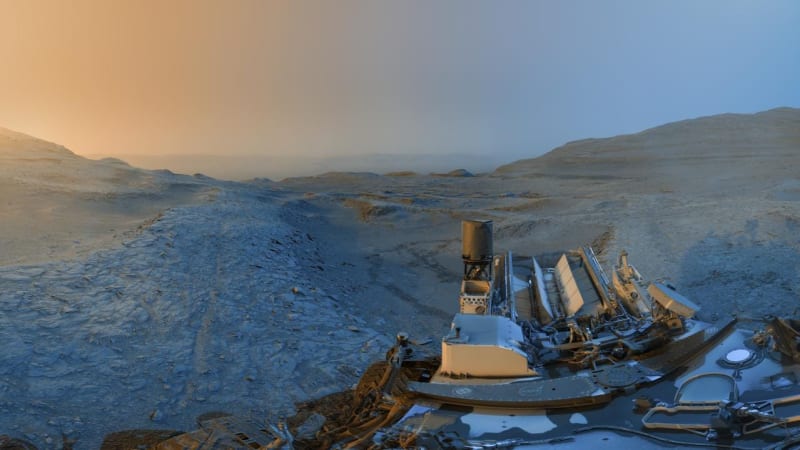
NASA's Curiosity Rover Shares Breathtaking Mars 'Postcard' That Looks Just Like Home
 🚀 Innovation
Philanthropists Launch Revolutionary Space Telescope to Democratize Cosmic Discovery
 🚀 Innovation
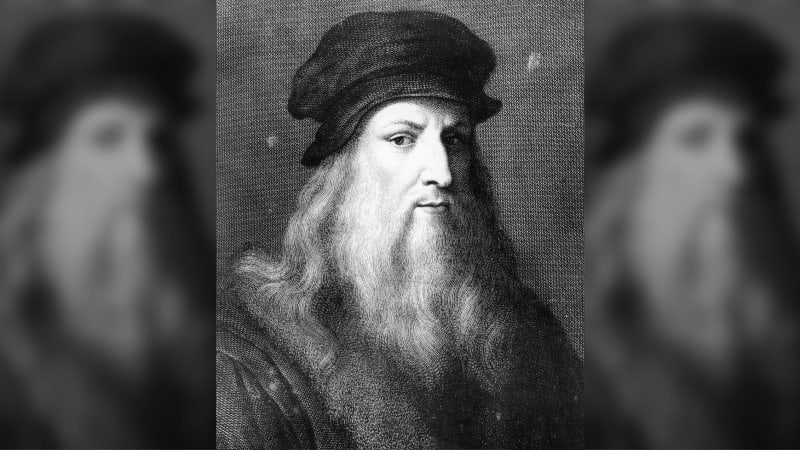
Scientists Make Exciting Breakthrough in Uncovering Leonardo da Vinci's DNA
Joke of the Day
Why don't scientists trust atoms?
Explore Categories
Quote of the Day
"The only way to do great work is to love what you do."
— Steve Jobs