Scientists Find 23-Million-Year-Old Rhino in Arctic Canada
Canadian researchers have discovered a new species of ancient rhinoceros that roamed the High Arctic 23 million years ago, challenging what we know about how animals spread across continents. The nearly complete fossil skeleton is the northernmost rhino ever found and reveals these creatures were far more adventurous than we imagined.
A rhinoceros once lived near the North Pole, and scientists just proved it with one of the most complete ancient rhino skeletons ever discovered.
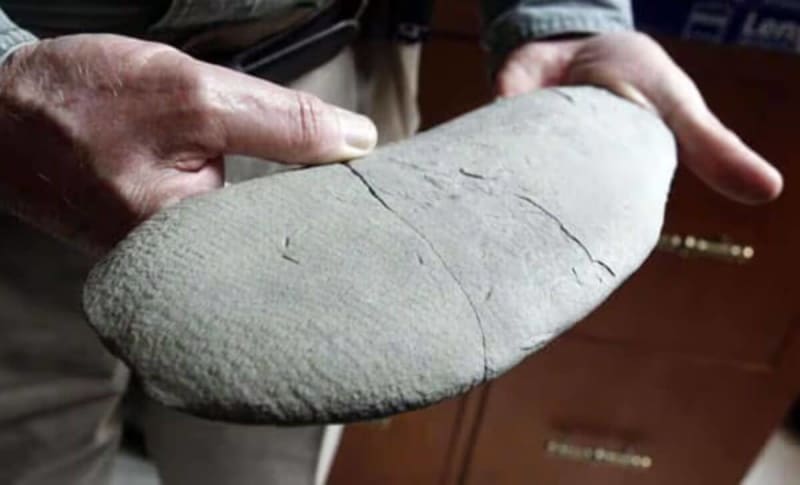
Researchers at the Canadian Museum of Nature found the fossil remains of a previously unknown rhino species on Devon Island, Nunavut, in Canada's High Arctic. The skeleton, preserved in ancient lake sediment within the Haughton Crater, is roughly 75% complete and in remarkable condition.
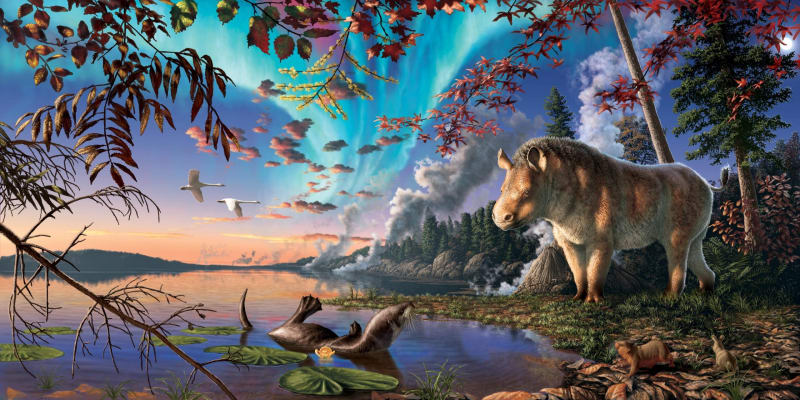
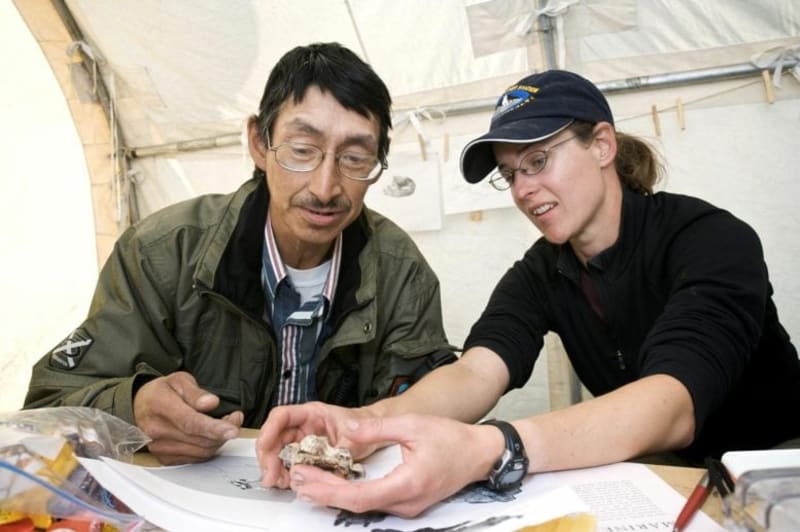
The species lived about 23 million years ago during the Early Miocene period, when the Arctic climate was much warmer than today. Named Epiatheracerium itjilik, the second word means "frosty" in Inuktitut, chosen in consultation with Jarloo Kiguktak, an Inuit Elder from Grise Fiord, the northernmost Inuit community in Canada.
This Arctic rhino was smaller and lighter than many of its relatives, similar in size to today's Indian rhinoceros but without a horn. The moderate wear on its teeth suggests it died in early to mid-adulthood, wandering through forested lakeside habitats alongside ancient seals, rodents, and rabbits.
Dr. Danielle Fraser, head of paleobiology at the museum, explains the bigger picture. "Today there are only five species of rhinos in Africa and Asia, but in the past they were found in Europe and North America, with more than 50 species known from the fossil record," she says.
The discovery does more than add another branch to the rhino family tree. It suggests that land bridges between continents remained open for animal migration millions of years later than scientists previously thought, rewriting our understanding of how mammals spread across the ancient world.
Most of the bones were originally collected in 1986 by Dr. Mary Dawson, a trailblazing Arctic paleontologist from Carnegie Museum of Natural History. She uncovered the critical diagnostic parts including teeth, jaw bones, and skull fragments that allowed the team to identify it as a new species decades later.
Why This Inspires
This discovery reminds us that our planet has been home to an incredible diversity of life, with creatures thriving in places we'd never expect. The fact that rhinos once roamed the Arctic shows how adaptable and resilient life can be when given the chance.
The research also honors the collaborative spirit of science, with Dawson credited posthumously as a co-author after passing away in 2020 at age 89. Her fieldwork from decades ago continues yielding insights, proving that curiosity and patience can unlock secrets millions of years in the making.
Finding such a complete skeleton this far north opens new questions about what other surprises might be frozen in time, waiting to reshape our understanding of Earth's remarkable history.
More Images


Based on reporting by Google News - Scientists Discover
This story was written by BrightWire based on verified news reports.
Spread the positivity! 🌟
Share this good news with someone who needs it