Scientists Find Brain's Hidden Waste Cleanup System
Researchers discovered a previously unknown drainage pathway in the human brain that clears waste, offering new hope for treating Alzheimer's and brain injuries. Using MRI technology from NASA spaceflight research, they watched in real time as the brain's cleanup crew went to work.
Your brain has a hidden cleanup system that scientists are only now beginning to understand, and a new discovery could transform how we prevent and treat brain diseases.
Researchers at the Medical University of South Carolina have identified a previously unrecognized waste drainage pathway in the human brain centered around the middle meningeal artery. This discovery answers a fundamental question about how our brains stay healthy by clearing out cellular waste and toxins.
Dr. Onder Albayram and his team made history by watching this cleanup system work in real time. They used advanced MRI technology originally developed to study how spaceflight affects astronauts' brains. Over six hours, they tracked fluid movement in five healthy volunteers and saw something remarkable.
The fluid moved slowly and steadily, not in quick pulses like blood flow. This slow drainage pattern revealed that the vessel acts like a waste disposal channel, part of the brain's lymphatic system that ferries cellular debris out to the body's main cleanup crew.
The discovery challenges what scientists believed for decades. Until about ten years ago, researchers thought the brain's protective layers separated it from the body's immune and drainage systems. Albayram's work has helped prove that lymphatic vessels run throughout these membranes, connecting the brain to the rest of the body's waste removal network.
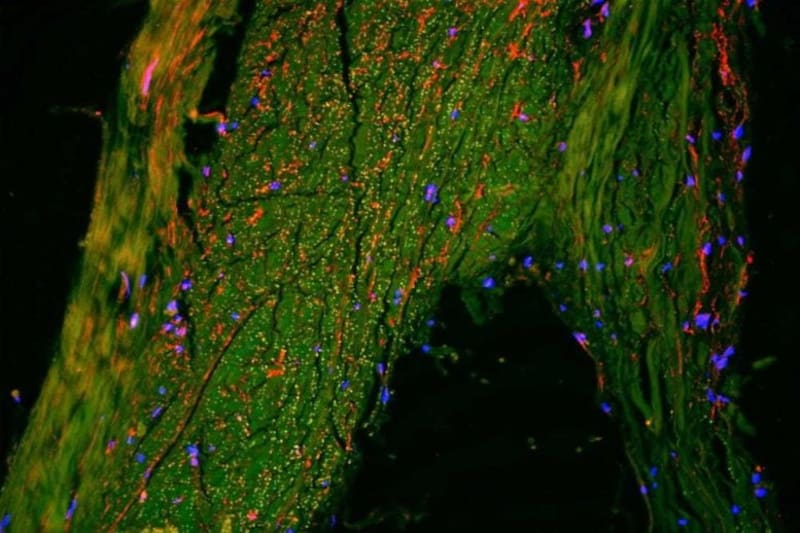
To confirm what they saw on the MRI scans, the team examined actual brain tissue under extremely powerful microscopes. Working with Cornell University scientists, they found the area around the middle meningeal artery lined with cells that typically appear in lymphatic vessels throughout the body. The images matched perfectly, linking what they observed in living brains to cellular evidence.
The Ripple Effect
This discovery matters because understanding how healthy brains clean themselves opens doors to preventing and treating devastating conditions. When waste builds up in the brain, it contributes to Alzheimer's disease, brain injuries, inflammation, and even some psychiatric disorders.
Albayram intentionally studied healthy people first, which breaks from traditional research that often starts with disease models in mice. Knowing what normal looks like makes it possible to spot early warning signs when something goes wrong.
The team is already expanding this research to patients with neurodegenerative diseases. Their goal is developing better diagnostic tools that catch problems earlier, plus designing treatments that support the brain's natural cleanup processes instead of fighting against them.
The implications reach far beyond individual diseases. As our population ages, understanding how the brain naturally maintains itself becomes crucial for helping people stay sharp and healthy longer.
This breakthrough proves that even after centuries of studying the human brain, we're still discovering fundamental systems that keep us thinking, moving, and living well.
More Images
Based on reporting by Google News - Scientists Discover
This story was written by BrightWire based on verified news reports.
Spread the positivity!
Share this good news with someone who needs it