Scientists Find New Way to Prevent Permanent Hearing Loss
Researchers discovered proteins in ear cells have a hidden second job that, when disrupted, causes permanent hearing loss. This breakthrough could lead to antibiotics that don't damage hearing and new treatments for genetic deafness.
Scientists just unlocked a mystery that could help millions of people keep their hearing for life.
Researchers at the National Institutes of Health discovered that proteins crucial for hearing have been hiding a second function all along. When this newly found job goes wrong, it kills the delicate cells in our ears, causing permanent hearing loss.
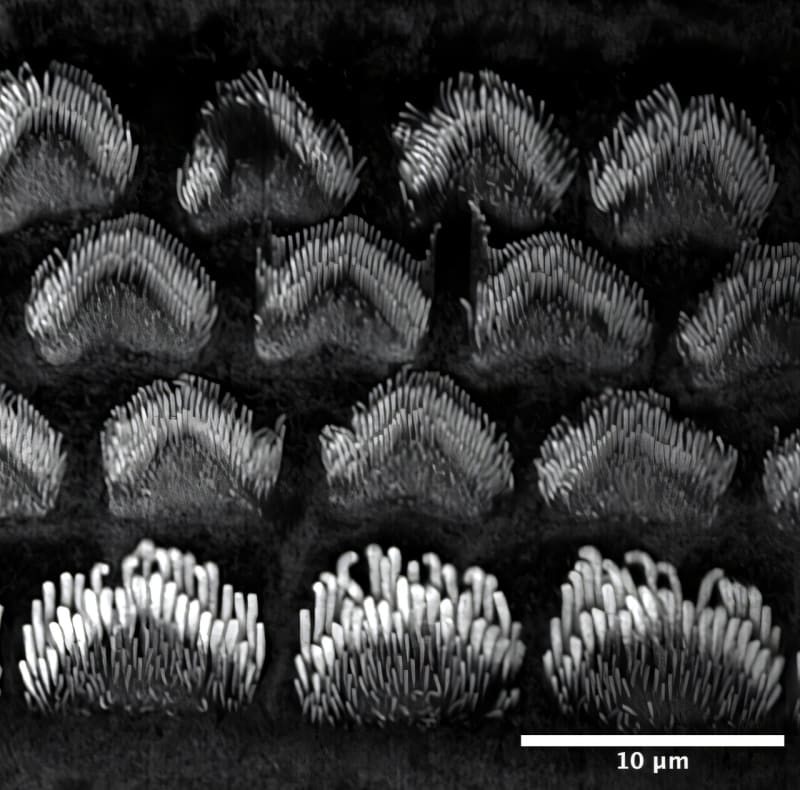
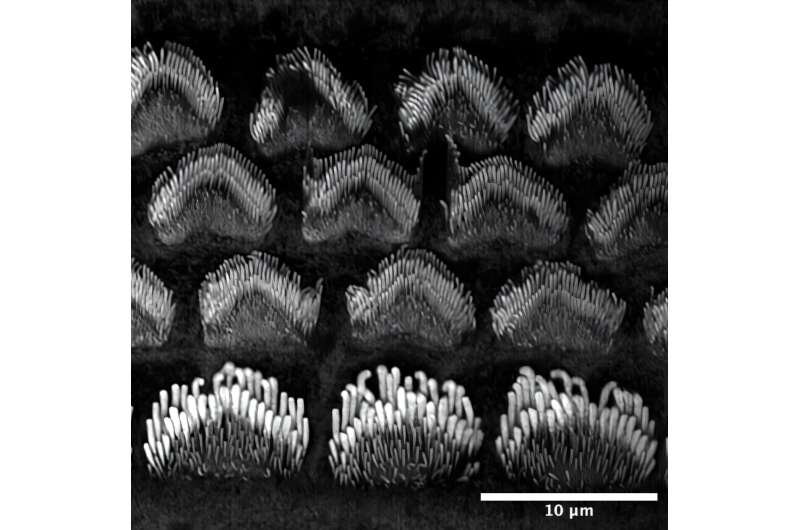
The proteins, called TMC1 and TMC2, live inside hair cells deep in our inner ear. These tiny cells convert sound vibrations into electrical signals our brain understands. Scientists have studied these proteins for years as the machinery that helps us hear. Mutations in TMC1 are already a leading cause of genetic deafness.
But the NIH team found something completely unexpected. The proteins also act as gatekeepers that shuffle fatty molecules across cell membranes. When this membrane regulation fails, whether from genetic mutations, loud noise, or certain medications, the hair cells start dying.
"We think this membrane regulatory function, not the channel function, is what leads to hair cell death when things go wrong," said Angela Ballesteros, who leads the research team at the National Institute on Deafness and Other Communication Disorders.
The discovery helps explain a frustrating medical puzzle. Common antibiotics called aminoglycosides save lives but permanently damage hearing as a side effect. Doctors thought these drugs blocked the proteins' sound-sensing abilities, but the real culprit appears to be the scrambled membranes.
The Bright Side
This breakthrough opens doors that didn't exist before. Graduate student Yein Christina Park, who co-authored the study presented at the Biophysical Society Annual Meeting in San Francisco, sees a clear path forward. "If we understand the mechanism by which these drugs activate the scramblase, we might be able to design new drugs that lack this effect," she said.
The team also discovered that cholesterol levels affect how the proteins move those fatty molecules around. That finding could lead to dietary approaches or cholesterol management strategies to protect ears from toxic medications or genetic hearing loss.
Unlike many cells in our body, hair cells don't regenerate. When they die, the hearing loss is permanent. That's what makes this research so crucial. Understanding exactly how these cells die means scientists can finally work on keeping them alive.
The research matters for millions. Some people carry genetic mutations that will cause deafness. Others face hearing loss from life-saving antibiotics. Still others damage their hearing from noise exposure. All could benefit from treatments that protect those precious hair cells.
Future antibiotics might save lives without costing patients their hearing forever.
More Images

Based on reporting by Google News - Health
This story was written by BrightWire based on verified news reports.
Spread the positivity!
Share this good news with someone who needs it