Scientists Map 140,000 Gene Connections in Living Cells
An international team has created the most detailed 3D map of the human genome ever made, revealing 140,000 previously hidden connections between genes and their control switches. This breakthrough could unlock answers to how our DNA actually works inside living cells.
Scientists just created Google Maps for the human genome, and what they found could change how we understand life itself.
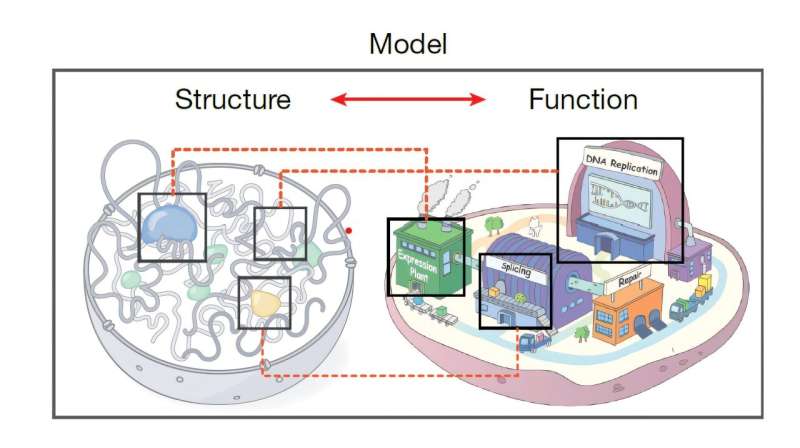
The 4D Nucleome Consortium, led by Dr. Job Dekker at UMass Chan Medical School, spent years mapping how our DNA folds and moves inside human cells. Their work revealed more than 140,000 connections between genes and the regulatory elements that control them, many separated by vast distances along our chromosomes.
Think of your genome like a bowl of spaghetti. The DNA strand is six feet long but fits inside a microscopic cell nucleus. How it folds determines which genes can reach their on-off switches, even when those switches sit far away on the linear strand.
The team brought together researchers from three dozen labs across eight countries. They combined data from over a dozen different experimental techniques, each capturing unique details about how DNA organizes itself in space and time. No single method could have revealed all these connections alone.
The research focused on two cell types: human embryonic stem cells and immortalized fibroblasts. By watching the genome move and reorganize over time, scientists created what Dr. Dekker calls "the most detailed view of the living physical genome as it exists inside of cells."
The human genome contains more than 20,000 protein-coding genes and millions of regulatory elements. Scientists have cataloged many of these parts before, but understanding how distant elements communicate across huge molecular distances remained mysterious. This new map shows exactly how folding brings far-apart pieces into working proximity.
Why This Inspires
The team didn't just map the genome. They created a detailed guide showing other scientists which techniques work best for specific research questions. They're already using the data to train artificial intelligence models that can predict how DNA sequences fold and function.
This foundation sets the stage for understanding how genomic structure changes during development and disease. When scientists can see how the genome reorganizes itself, they can better understand what goes wrong in genetic disorders and potentially find new ways to intervene.
The consortium has made all their data publicly available, turning years of collaborative work into a launchpad for discoveries worldwide. This open science approach means researchers everywhere can now explore the 3D genome without starting from scratch.
Understanding how our linear genetic code creates biological action through three-dimensional organization represents what Dr. Dekker calls "the third phase of the human genome project." After sequencing DNA and identifying genes, we're finally seeing how the instruction manual actually gets read.
More Images



Based on reporting by Medical Xpress
This story was written by BrightWire based on verified news reports.
Spread the positivity! 🌟
Share this good news with someone who needs it