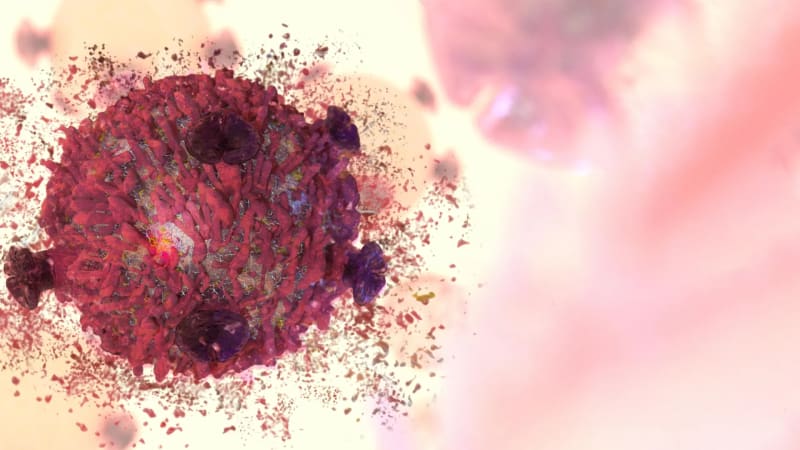
Scientists Unlock Nature's Secret: A Breakthrough in Cancer-Fighting Plant Chemistry
UBC Okanagan researchers have decoded the molecular formation of mitraphylline, a rare plant compound with potential cancer-fighting properties. This breakthrough offers new pathways for sustainable pharmaceutical development.
In a groundbreaking discovery that bridges botanical science and pharmaceutical innovation, researchers at UBC Okanagan have decoded the molecular mystery behind mitraphylline, a rare plant compound with promising anti-cancer potential.
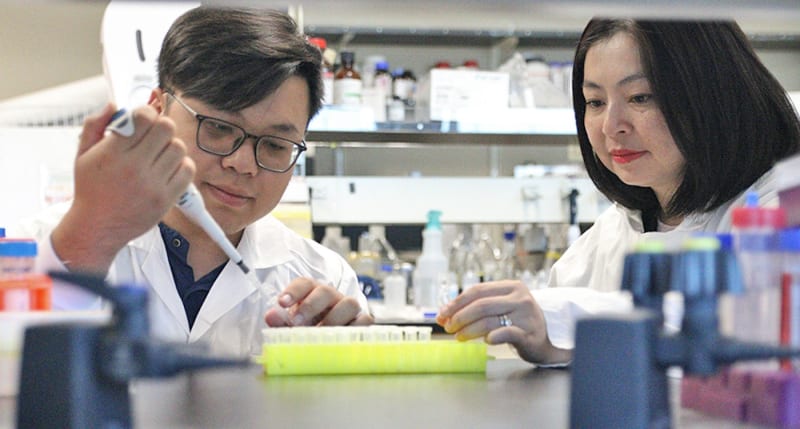
The research team, led by Dr. Thu-Thuy Dang, has successfully unraveled how plants naturally construct spirooxindole alkaloids - a unique family of molecules characterized by their distinctive twisted ring shapes that demonstrate powerful biological effects, including anti-tumor and anti-inflammatory activities.
For years, scientists have been intrigued by these complex molecules but struggled to understand their precise formation. In 2023, Dr. Dang's team made significant progress by identifying the first known plant enzyme capable of creating the signature spiro shape found in these compounds. Building on this initial breakthrough, doctoral student Tuan-Anh Nguyen further investigated the molecular assembly, pinpointing two critical enzymes responsible for mitraphylline's intricate three-dimensional structure.
Mitraphylline presents a fascinating challenge for researchers because it exists only in trace amounts within tropical trees like Mitragyna (kratom) and Uncaria (cat's claw), both members of the coffee plant family. Traditional laboratory extraction methods have historically made these compounds expensive and impractical to produce at scale.
The collaborative research project, which involved partnerships between UBC Okanagan and the University of Florida, received funding from multiple prestigious sources including Canada's Natural Sciences and Engineering Research Council, the Canada Foundation for Innovation, and the Michael Smith Health Research BC Scholar Program. Additional support came from the United States Department of Agriculture's National Institute of Food and Agriculture.
Dr. Dang describes the discovery as akin to finding 'missing links in an assembly line', providing unprecedented insights into how nature constructs these complex molecular structures. The breakthrough offers a potential 'green chemistry' approach to accessing pharmaceutically valuable compounds, with significant implications for sustainable drug production.
Looking forward, the research team is excited about expanding their understanding of plant-based molecular tools. As Nguyen enthusiastically noted, 'Being part of the team that uncovered the enzymes behind spirooxindole compounds has been amazing,' highlighting the collaborative and innovative research environment at UBC Okanagan.
Dr. Dang expressed optimism about future research directions, stating, 'We are proud of this discovery. Plants are fantastic natural chemists, and our next steps will focus on adapting their molecular tools to create a wider range of therapeutic compounds.'
Based on reporting by Health Daily
This story was written by BrightWire based on verified news reports.
More Good News
 🚀 Innovation
Breakthrough: Scientists Unlock Nature's Cancer-Fighting Molecular Secrets
 🚀 Innovation
Renault's Filante Record 2025: A Groundbreaking Journey into Electric Vehicle Efficiency
 🚀 Innovation
NASA's Captivating Virtual Tour Reveals Life Aboard the International Space Station
Start Your Day With Good News
Join 50,000+ readers who wake up to stories that inspire. Delivered fresh every morning.
No spam, ever. Unsubscribe anytime.