Senegal Researchers Study Chimps Instead of Mining Gold
Five local Senegalese researchers escaped dangerous gold mine work to study rare savanna chimpanzees who hunt with spears. Their scientific careers now protect both their lives and one of the world's most unusual ape communities.
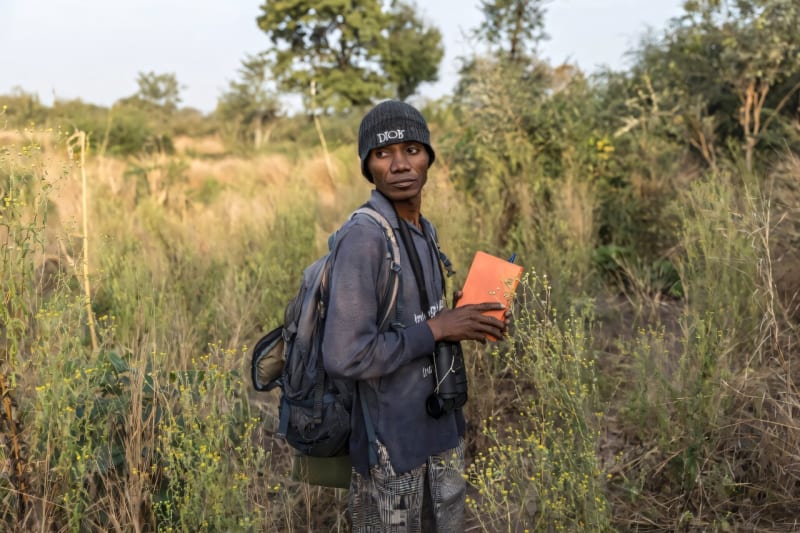
Michel Tama Sadiakhou watched a friend die in an illegal gold mine, suffocated by gas deep underground. Today, he watches chimpanzees craft spears from branches to hunt their prey, part of a research team that saved him from the deadly tunnels that trap so many in southeast Senegal.
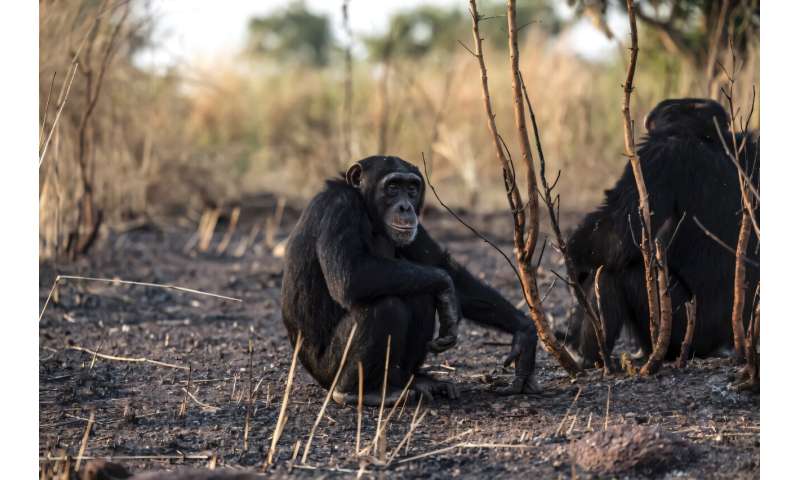
Sadiakhou is one of five local researchers working on the Fongoli Savanna Chimpanzee Project, studying about 35 West African chimpanzees who live in the bush rather than forests. Four of the five never finished high school, yet they've become skilled scientists tracking these remarkable apes.
The alternative for most young men in Senegal's Kedougou region is the dioura, the local term for artisanal gold mines. More than 30,000 people work in these dangerous tunnels, which can collapse without warning or fill with toxic gas.
When US primatologist Jill Pruetz founded the project in 2001, she opened a door for local villagers. Sadiakhou, now 37 and head researcher, joined in 2009 after seeing Pruetz drive past his village repeatedly. He had never seen a chimpanzee before.
Now the chimps are his "second family." Every day, the research team follows one of ten adult males through the savanna, taking notes every five minutes on everything from vocalizations to social interactions to rhythmic tree drumming.
The Fongoli females are the only documented animals in the world to regularly hunt with tools. They fashion branches into spears to kill smaller primates called bush babies.
These chimps have adapted to extreme savanna heat in ways that fascinate scientists. They soak in natural pools, rest in cool caves, and stay calm around fire. Their survival strategies may help us understand how early humans evolved in similar climates millions of years ago.
The Ripple Effect
The project protects more than just the researchers. By employing local people, it gives the community a reason to preserve the chimps' habitat instead of clearing it for mining.
The gold boom since 2010 has brought thousands of miners from neighboring countries, increasing water pollution and deforestation. The research team now works to balance human needs with chimpanzee conservation in one of Senegal's poorest regions, where poverty affects more than 65% of residents.
For Nazaire Bonnag, 31, seeing his coworker pulled dead from a mine by rope was enough. He joined the project and now lives in a cluster of thatched roof huts inside the Fongoli range, watching Mike the charismatic chimp carry baobab fruit in his mouth and documenting behaviors that could reshape our understanding of primate intelligence.
The researchers have turned their lack of formal education into an advantage, bringing intimate knowledge of the land and patience learned from village life. Science gave them an escape route from underground death traps into sunlit savannas where tool-using apes have become their colleagues and friends.
More Images


Based on reporting by Phys.org
This story was written by BrightWire based on verified news reports.
Spread the positivity! 🌟
Share this good news with someone who needs it