
Simple Home Changes Could Cut Respiratory Disease by 80%, Boost Productivity
A groundbreaking global pledge has declared clean indoor air a fundamental human right, and the science shows that simple, affordable improvements to your home's air quality could dramatically reduce illness while boosting your brain power and well-being. The best part? Most solutions cost under $200 and start working immediately.
There's exciting news on the horizon for anyone who wants to feel healthier, think more clearly, and breathe easier at home. A revolutionary movement is sweeping across the world, starting with the first-ever Global Pledge for Healthy Indoor Air at the United Nations. This historic declaration recognizes clean indoor air as a fundamental human right, and the science behind it reveals just how transformative simple air quality improvements can be.
The numbers are truly remarkable. According to the Clean Indoor Air Initiative led by Brown University, improving indoor air quality could slash respiratory disease by an incredible 80%, reduce student absences by 13%, and boost workplace productivity by 11%. The economic benefits are equally impressive, with projections showing a $23 billion annual benefit to the U.S. economy through a 35% decrease in sick leave. This means healthier families, sharper minds, and more time enjoying life instead of fighting off illness.
The culprit behind poor indoor air quality is often something invisible and odorless: carbon dioxide buildup from inadequate ventilation. While outdoor air sits at about 427 parts per million of CO2, indoor spaces frequently climb much higher. The good news is that awareness is growing rapidly. Boston public schools now monitor every classroom for air quality, and innovative companies like Ikea are making affordable air quality sensors available to everyday consumers, with some models costing as little as $32 in Sweden.
Understanding your indoor air quality is the first empowering step. Portable CO2 monitors, available for as little as $30 to $40, let you take control of your environment. The INKBIRD PTH-10C offers excellent monitoring for under $40, while the professional-grade Aranet4 costs $179 on Amazon. For the DIY enthusiast, homebuilt sensors using Arduino technology can be assembled for around $30, proving that healthy air doesn't require a huge investment.
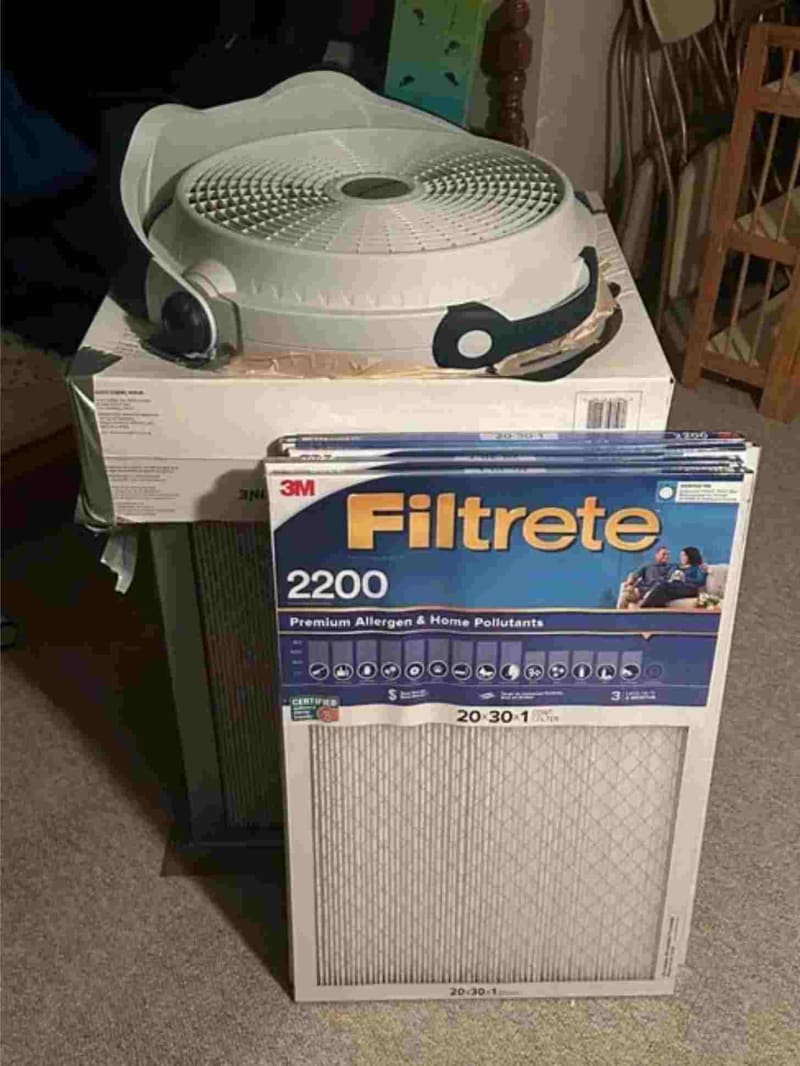
What makes this movement especially hopeful is how accessible the solutions are. Simple actions like replacing furnace filters regularly and running air purifiers can create noticeable improvements in how you feel every day. Many people don't realize that their afternoon drowsiness during meetings or difficulty concentrating while working from home might be completely resolved by opening a window or improving ventilation.
The Ripple Effect of this growing awareness extends far beyond individual homes. With people spending over 90% of their time indoors, especially as climate change drives more people inside to escape extreme heat and wildfire smoke, ensuring healthy indoor air has become essential for public health. The formation of the Global Commission on Healthy Indoor Air signals that governments and institutions worldwide are taking this seriously.
This isn't just about avoiding illness. Better air quality means sharper thinking, more energy, better sleep, and an overall improved quality of life. Students perform better on tests, workers accomplish more during their day, and families spend less time sick and more time thriving together.
The message is clear and optimistic: with some simple tools and awareness, everyone can create healthier indoor environments. The future of indoor air is bright, affordable, and within reach for all of us.
More Images

Based on reporting by Good Good Good
This story was written by BrightWire based on verified news reports.
Spread the positivity! 🌟
Share this good news with someone who needs it
More Good News
 Health & Wellness
How a 14-Year-Old Boy Helped Save Millions from Diabetes
 Health & Wellness
Revolutionary Vaccine Technology Promises Better Protection Against Respiratory Viruses
 Health & Wellness
UCL Scientists Discover Gene Target That Could Prevent 93% of Alzheimer's Cases
DAILY MORALE
What did the thermometer say to the graduated cylinder?
EXPLORE INTEL
DAILY INSPIRATION
Hope is the thing with feathers that perches in the soul and sings the tune without the words and never stops at all.
Emily Dickinson