Singpho Tribe Brewed Tea Centuries Before British Arrived
Long before the British established tea plantations in India, the Singpho tribe of Assam had been brewing and processing tea for centuries, possibly since the 1200s. Their traditional bamboo-smoked phalap tea represents a rich heritage that's finally getting the recognition it deserves.
For centuries, we've been told that tea culture in India began with British plantations, but the Singpho tribe of Northeast India was already perfecting the art of tea-making as early as the 12th century. Their traditional phalap tea challenges everything we thought we knew about India's tea history.
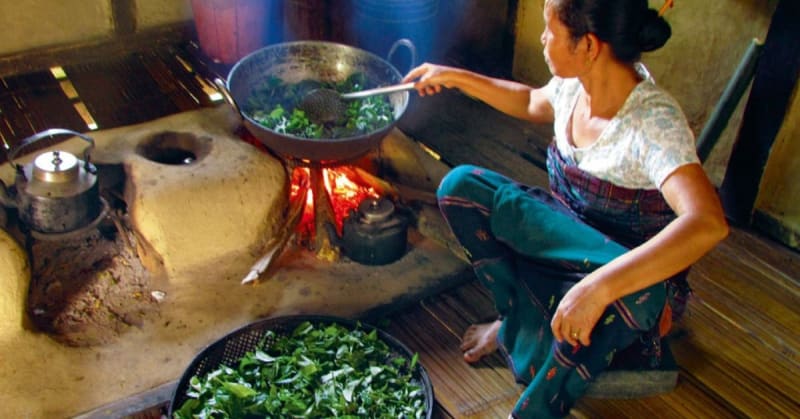
The Singpho people, living in parts of Assam, Myanmar, and China, developed sophisticated tea processing techniques long before colonial contact. They would heat tea leaves in metal pans until brown, sun-dry them for days, then pack them tightly into bamboo tubes and smoke them over fire for a week.
The finished product hardened into the shape of the bamboo, creating a distinctive smoky flavor that became central to Singpho culture. According to tribal legend, two exhausted brothers discovered tea after chewing an unknown leaf that rejuvenated them, naming it phalap from words meaning "what" and "leaf."
When the British arrived in the 1820s, desperate to break China's tea monopoly, Singpho chief Bessa Gaum introduced Robert Bruce to the wild tea plants growing in Assam. Another Singpho chief, Nigro La, established the first tea plantation in the region, sharing indigenous knowledge that would become the foundation of a massive colonial industry.
The British found that the native Camellia sinensis var. assamica, already used by the Singphos, thrived in Assam's climate far better than Chinese varieties. The resulting commercial tea estates were built entirely on indigenous wisdom and practices that had existed for hundreds of years.
Why This Inspires
Today, cultural historians and tea enthusiasts are working to document and preserve Singpho tea-making traditions before they're lost to history. These efforts ensure that the tribe's centuries-old knowledge receives proper recognition alongside the commercial tea industry.
The unique flavor of phalap offers more than just a taste experience. It represents a correction to the historical record, proving that India's relationship with tea runs far deeper than colonial narratives suggest.
Preserving these artisanal methods honors the Singphos as India's original tea artisans and celebrates the diversity of the country's tea traditions. Every cup of phalap tells a story that predates plantations, proving that India's tea culture was brewing long before the British arrived.
More Images
%2Fenglish-betterindia%2Fmedia%2Fpost_attachments%2Fuploads%2F2025%2F03%2FTBI-featured-image-30_11zon-1742566213.jpg)
%2Fenglish-betterindia%2Fmedia%2Fpost_attachments%2Fuploads%2F2025%2F03%2FIMG_7898_1_480x480-1-1742566349.webp)
Based on reporting by The Better India
This story was written by BrightWire based on verified news reports.
Spread the positivity!
Share this good news with someone who needs it
%2Fhttps%3A%2F%2Ftf-cmsv2-smithsonianmag-media.s3.amazonaws.com%2Ffiler_public%2F15%2F3b%2F153b5427-10f9-4ad6-b039-8823a36efc6f%2Fhd100065orig.jpg)