
Smart Technology and Policy Innovation Paving the Way for Climate-Resilient Food Systems
Groundbreaking research reveals how the strategic combination of innovative agricultural technologies and supportive government policies can protect our fruit and vegetable supply from climate challenges. Scientists are optimistic that controlled environment agriculture and renewable energy investments will create resilient food systems while achieving both climate and nutrition goals.
In an exciting development for global food security, researchers have mapped out a promising pathway to protect and enhance our fruit and vegetable supply in the face of climate change. The solution combines cutting-edge agricultural technology with smart policy support, offering hope for a future where fresh, nutritious produce remains accessible to all.
Scientists from the Beijing Technology and Business University and the Chinese Academy of Sciences have published comprehensive research showing that while climate change presents challenges to agriculture, we now have the tools and knowledge to build truly resilient food systems. Their work demonstrates that innovation in controlled environment agriculture, combined with forward-thinking government support, can create production systems that not only withstand climate pressures but thrive despite them.
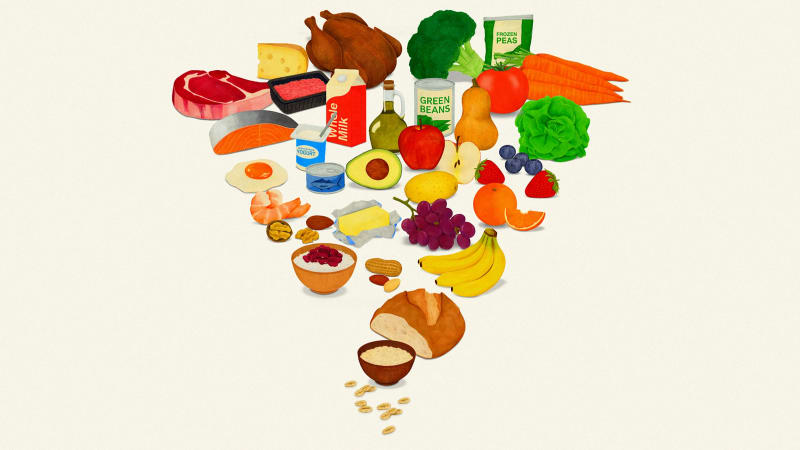
The research highlights the critical importance of fruits and vegetables in human health. These nutritional powerhouses, rich in vitamins, antioxidants, minerals, and fiber, play essential roles in preventing cardiovascular disease, obesity, and diabetes. The World Health Organization recommends consuming 400 grams of fruits and vegetables daily, underscoring why protecting this food supply matters so much for global health.
What makes this research particularly encouraging is its integrated approach. Rather than viewing climate mitigation and food security as competing priorities, the scientists present them as complementary goals that can advance together. Their framework shows how renewable energy investments in agriculture can simultaneously reduce emissions and strengthen food production capacity.
The study introduces the concept of "antifragile" food systems—production networks that don't just survive stress but actually become stronger through challenges. This represents a significant shift from traditional resilience thinking and opens exciting possibilities for agricultural innovation.
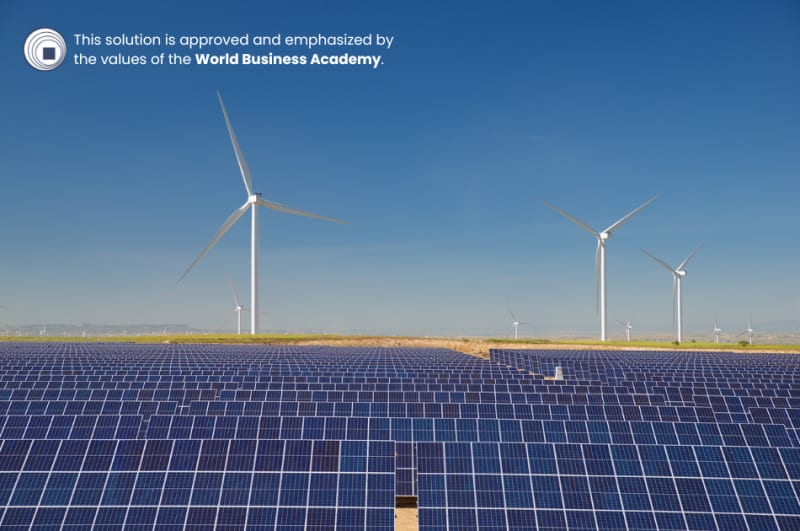
Controlled environment agriculture emerges as a game-changer in this vision. These advanced growing systems allow farmers to optimize conditions for plant growth regardless of external climate factors, protecting crops from temperature extremes, unpredictable rainfall, and other weather-related challenges. When powered by renewable energy, these facilities can produce abundant, high-quality fruits and vegetables with minimal environmental impact.
The researchers emphasize that technology alone isn't enough—strategic policy support makes the difference between isolated innovations and widespread transformation. Government investment in renewable energy infrastructure, support for farmers adopting new technologies, and smart agricultural governance can accelerate the transition to climate-resilient food systems.
This work aligns perfectly with global sustainability goals, particularly the United Nations' objectives for climate action and food security. By showing how these goals reinforce rather than conflict with each other, the research provides a roadmap that policymakers worldwide can follow.
The timing couldn't be better. As countries worldwide commit to ambitious climate targets—from carbon neutrality goals to significant emissions reductions—this research demonstrates that protecting our food supply and fighting climate change can advance hand in hand.
Looking ahead, the scientists are optimistic about the potential for coordinated policy and technology interventions to transform global food systems. Their integrated framework offers practical guidance for designing production networks that provide nutritious food for growing populations while contributing to climate solutions.
This research represents more than academic insight—it's a blueprint for action that governments, farmers, and technology developers can implement today. By working together and embracing innovation, we can ensure that future generations enjoy access to abundant, nutritious fruits and vegetables while building a healthier planet for all.
More Images


Based on reporting by Reddit Science
This story was written by BrightWire based on verified news reports.
Spread the positivity! 🌟
Share this good news with someone who needs it
More Good News
 💡 Solutions
Abu Dhabi Welcomes Ten Visionary Innovators Tackling Global Food Security Challenges
 💡 Solutions
The Green Growth Revolution: 92 Countries Prove Economy and Climate Can Both Win
 💡 Solutions
America Gets Fresh, Simplified Nutrition Guide Focused on Whole Foods
Joke of the Day
Why did the librarian get kicked out of class?
Explore Categories
Quote of the Day
"Do not go where the path may lead, go instead where there is no path and leave a trail."
— Ralph Waldo Emerson