Social Media Hashtags Help Prevent Mass Violence, Study Finds
Researchers analyzed over 5,000 posts from crisis campaigns and discovered that strategic hashtag use can identify early violence warnings and amplify voices during humanitarian emergencies. The groundbreaking study offers hope that the same platforms criticized for spreading harm could become powerful tools for preventing atrocities.
Social media gets plenty of blame for spreading misinformation and violence, but new research shows it could actually help prevent genocide and mass atrocities when used the right way.
Researchers at Binghamton University and Montclair University studied more than 5,000 social media posts from two crisis campaigns to understand how hashtags work during emergencies. What they found challenges everything we assume about social media's role in conflict.
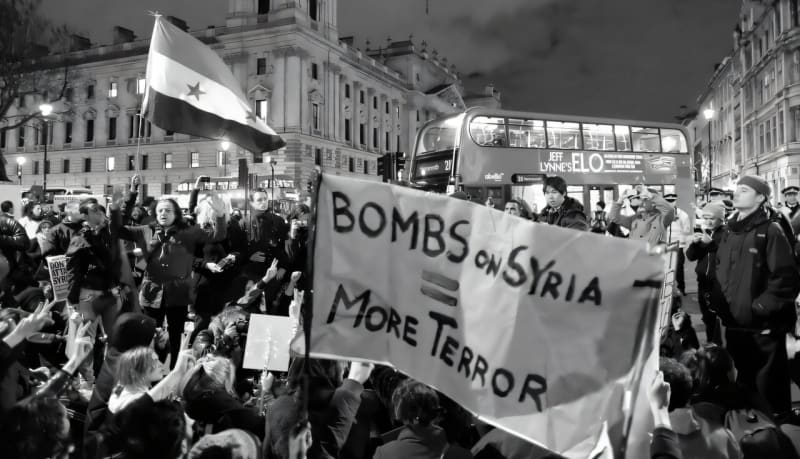
Professor Eric Wiebelhaus-Brahm and his colleague Arnaud Kurze examined two very different situations. They looked at Canada's #TruthAndReconciliation campaign, which addressed historical injustices against Indigenous peoples, and Syria's #SaveSyria campaign during its ongoing civil war. These contrasting contexts helped the researchers understand when and how social media activism makes a real difference.
The analysis revealed three powerful ways hashtags help during crises. They spot early warning signs of violence before it escalates. They amplify voices from local communities who might otherwise go unheard. And they grab international attention when governments and organizations need to act quickly.
"Governments are increasingly using social media, though often not with atrocity prevention in mind," Wiebelhaus-Brahm explained. Meanwhile, social media companies have largely stopped monitoring hate speech and inflammatory content on their platforms, making strategic use by humanitarian groups even more critical.
The researchers chose Canada and Syria specifically because they were among the first places where people used social media to address mass atrocities and prevent future violence. Their different conflict types provided crucial insights into what works where.
Why This Inspires
This research arrives at exactly the right moment. As social media companies scale back content moderation and misinformation spreads faster than ever, many people feel hopeless about these platforms. But this study proves that the same tools causing harm can become forces for good when communities use them strategically.
The key is tailoring campaigns to each specific crisis rather than applying one-size-fits-all approaches. What works in Canada won't necessarily work in Syria, and understanding those differences saves lives.
Wiebelhaus-Brahm hopes this empirical evidence, some of the first of its kind, will inspire more research. "This is one of the earliest empirical explorations of this question," he said. Future studies could examine different platforms, different conflicts, and different points in time to build a complete picture of social media's prevention potential.
The breakthrough here isn't just academic. It provides concrete evidence that ordinary people with smartphones can help prevent violence by using hashtags strategically, sharing the right information, and drawing attention to emerging crises before they explode.
When millions participate in well-designed campaigns, social media transforms from a megaphone for hate into an early warning system that could save countless lives.
More Images



Based on reporting by Phys.org
This story was written by BrightWire based on verified news reports.
Spread the positivity! 🌟
Share this good news with someone who needs it


