Solar Cars and Wind Chargers Shine at CES 2026
Despite a flood of AI and robotics, CES 2026 showcased breakthrough eco-innovations like flexible solar panels that add 15 miles of daily car range and wind chargers for off-grid power. Small but mighty green tech startups proved sustainability solutions are getting smarter and more practical.
The world's biggest tech show just wrapped in Las Vegas, and hidden among the flashy robots were some seriously clever environmental wins.
CES 2026 drew massive crowds eager to see the latest gadgets, but the real gems were tucked into quieter corners. Innovators showed up with solutions that could reshape how we power our lives, from harnessing gentle breezes to turning car roofs into energy generators.
Dracula Technologies unveiled indoor solar devices that power smart home gadgets using just ambient light. No more tossing dead batteries in the trash every few months. These tiny panels keep IoT devices running indefinitely by harvesting energy from your living room lamp.
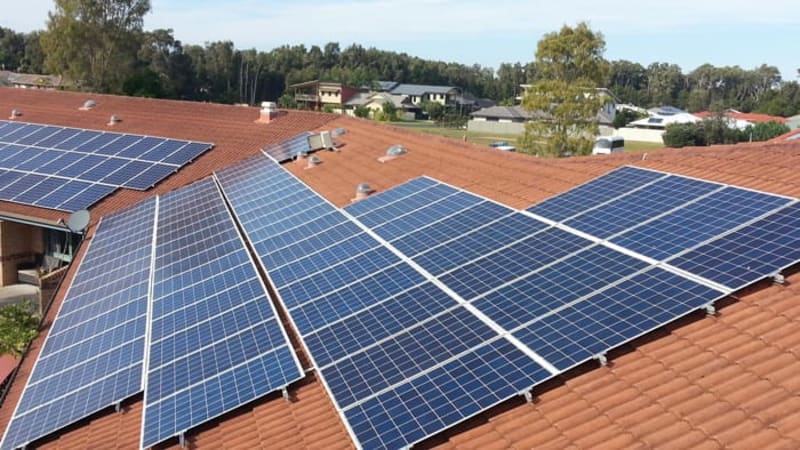
Solarstic brought perhaps the most exciting breakthrough: flexible solar modules that mold directly onto vehicle surfaces. Developed through Hyundai's accelerator program, these lightweight panels can add up to 15 miles of daily driving range without plugging in. Your morning commute could literally charge your car while you're stuck in traffic.
The Shine 2.0 tackled a different problem by capturing light breezes to charge phones and small electronics in remote areas. For campers, field researchers, or anyone off the grid, this pocket-sized device means freedom from outlet hunting.
Clear Drop demonstrated how to transform plastic packaging waste into sturdy 8x12x4 inch building bricks. One person's trash becomes another's construction material, giving single-use plastics a second life that actually lasts.
Segway dominated the green mobility space with electric bikes featuring smart navigation and energy tracking. While not revolutionary, these practical rides represent accessible transportation that cuts emissions right now, not in some distant future.
AI made its eco-debut through systems that learn your habits and adjust home energy use automatically. Lights dim when rooms sit empty. Heating drops when you're away. Small tweaks that add up to real savings over time.
The Bright Side
These innovations prove that environmental solutions don't require sacrifice or massive lifestyle changes. They work quietly in the background, making sustainability effortless. A car roof becomes a power plant. A breeze becomes a phone charge. Your house learns to waste less energy while you sleep.
The technologies on display aren't concepts for 2050. They're available now, getting cheaper, and solving real problems that everyday people face. When sustainability becomes this convenient, adoption stops being a tough sell and starts being common sense.
Yes, CES 2026 could have given these innovators bigger stages and brighter spotlights. But the inventors showed up anyway, proving that green tech keeps advancing whether or not it gets the flashiest booth. Their persistence is paying off in solutions that work in actual homes, cars, and lives.
The next wave of environmental progress won't look like sacrifice or hardship. It'll look like a solar panel you can't even see and a charger that runs on wind you barely feel.
More Images

Based on reporting by Google: robotics innovation
This story was written by BrightWire based on verified news reports.
Spread the positivity! 🌟
Share this good news with someone who needs it