South Dakota Tribes and State Begin Historic Partnership
The Rosebud Sioux Tribe is calling for a new era of collaboration with South Dakota's government to tackle healthcare, education, and public safety challenges facing Native communities. This push for reconciliation comes after recent federal recognition of historical wrongs and opens doors to life-saving solutions.
After decades of tension, South Dakota's tribal nations are extending a hand to state government for unprecedented cooperation on issues that could transform Native communities.
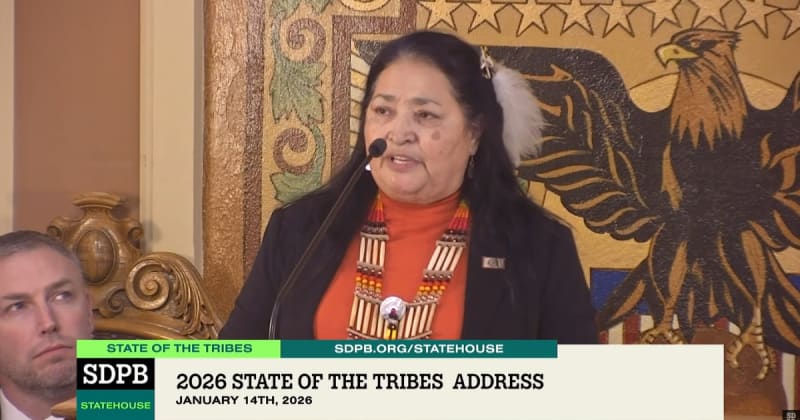
President Kathleen Wooden Knife of the Rosebud Sioux Tribe delivered the 2026 State of the Tribes Address on Wednesday, proposing quarterly meetings between tribal leaders, the governor, and state legislators. Her message was clear: it's time to move forward together.
The timing matters. In December, President Trump signed the Wounded Knee Memorial and Sacred Site Act, formally honoring the hundreds of Lakota people massacred by the U.S. Army in 1890. Wooden Knife acknowledged this recognition as a step toward healing, then pivoted to urgent present-day needs.
The stakes are staggering. Lakota and Dakota men in South Dakota live an average of just 47 years, while women reach only 56. That's 30 years less than the national average and well below even the Native American average of 65 nationwide.
Healthcare access tops the collaboration agenda. The Rosebud Sioux Tribe recently won a lawsuit against the U.S. government after a tribal member gave birth on a bathroom floor in a waiting room. Federal courts ruled that an 1868 treaty mandates proper physician-led healthcare, but tribes continue struggling to secure it.
A promising solution is already taking shape. A bill would establish a task force to explore Indian Managed Healthcare under Medicaid, allowing tribes to contract directly with the state to manage Native healthcare. The federal government would cover 100% of costs through a special match program, meaning no additional burden on state taxpayers.
Beyond healthcare, the tribes want to work with the state on equal education access for Native children, support for tribal law enforcement, agricultural development, job creation, and water infrastructure improvements.
The Ripple Effect
This partnership model could reshape how states and tribal nations work together nationwide. South Dakota hosts nine tribes, making it a testing ground for government-to-government collaboration that respects tribal sovereignty while addressing shared challenges.
The proposed quarterly meetings would mark the first regular, structured dialogue between South Dakota's state government and tribal leadership. That consistent communication could prevent conflicts before they escalate and identify win-win solutions faster.
For state residents beyond tribal lands, stronger tribal communities mean stronger regional economies, reduced healthcare costs, and safer neighborhoods for everyone. When tribes gain resources to build infrastructure and create jobs, entire counties benefit.
Most importantly, solutions like the Indian Managed Healthcare model prove that addressing historical injustices doesn't have to be a zero-sum game. With federal funding covering the full cost, South Dakota can help close a shocking life expectancy gap without taking resources from other programs.
Wooden Knife's vision looks seven generations ahead, following Lakota tradition. The partnerships she's proposing today could create prosperity and wellness that echo for 175 years into the future, benefiting all South Dakotans regardless of heritage.
More Images


Based on reporting by Google News - Reconciliation
This story was written by BrightWire based on verified news reports.
Spread the positivity! 🌟
Share this good news with someone who needs it