
South Korea Supercharges Electric Vehicle Market with Bold New Subsidies
South Korea unveils powerful new electric vehicle subsidies, giving domestic automakers like Hyundai and Kia a strategic advantage against rising Chinese competition. The groundbreaking policy offers substantial financial incentives and creates a supportive ecosystem for electric vehicle adoption.
South Korea is turbocharging its electric vehicle ecosystem with groundbreaking new policies that promise to reshape the automotive landscape and give domestic manufacturers a critical competitive edge. The government's latest subsidy plan, announced by the Ministry of Climate, Energy, and Environment, represents a strategic intervention to protect and propel local automakers like Hyundai and Kia against the rising tide of Chinese electric vehicle brands.
Under the innovative new framework, electric vehicle buyers can now receive up to 6.8 million won ($4,700) in subsidies, a substantial increase from the previous 5.8 million won ($4,000). The plan includes a particularly enticing incentive: consumers who trade in their traditional combustion engine vehicles can secure an additional 1 million won ($700) when purchasing a new electric vehicle.
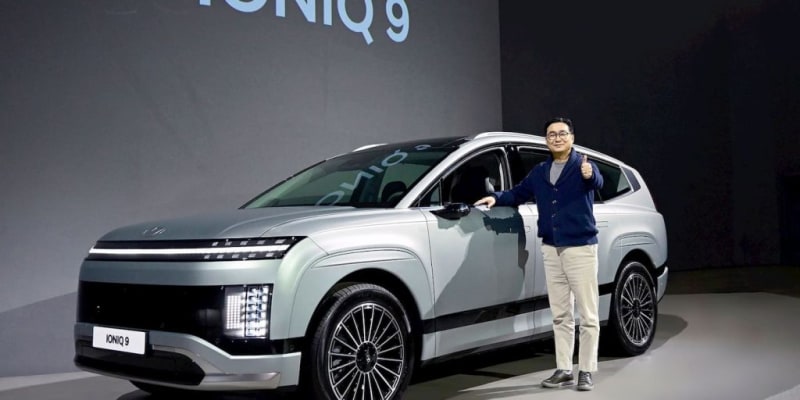
These policies strategically position domestic manufacturers against international competitors, particularly Chinese brands like BYD. By implementing stricter requirements for battery charging and energy density, South Korea is effectively creating a playing field that favors domestic manufacturers who utilize more advanced nickel-manganese-cobalt (NCM) batteries, compared to the cheaper lithium iron phosphate (LFP) batteries common in Chinese models.
The subsidy program isn't just limited to passenger vehicles. Commercial electric vehicles, including Kia's pioneering electric van, the PV5, are also eligible for significant financial support. Small electric vans can receive up to 15 million won, while large EV trucks might qualify for subsidies as high as 60 million won, demonstrating a comprehensive approach to electrification.
This bold strategy comes at a crucial moment, with Chinese brands like BYD rapidly gaining market share. In the first eleven months of the recent year, BYD sold nearly 5,000 electric vehicles in Korea, positioning itself as a significant competitor. However, Hyundai and Kia are preparing to counterattack with new entry-level electric vehicles like the EV2 and IONIQ 3, designed to compete globally.
The timing of these incentives is no coincidence. Following recent US auto tariffs and shifting global trade dynamics, South Korea is proactively supporting its automotive industry. Hyundai and Kia are already responding aggressively, with the IONIQ 5 now available for lease starting at just $189 per month, and Kia offering unprecedented discounts of over $10,000 across its electric vehicle lineup.
As the global automotive industry accelerates toward electrification, South Korea's comprehensive approach demonstrates how strategic government support can nurture domestic innovation and competitiveness in the rapidly evolving electric vehicle market.
Based on reporting by Electrek
This story was written by BrightWire based on verified news reports.
Spread the positivity! 🌟
Share this good news with someone who needs it
More Good News
 🚀 Innovation
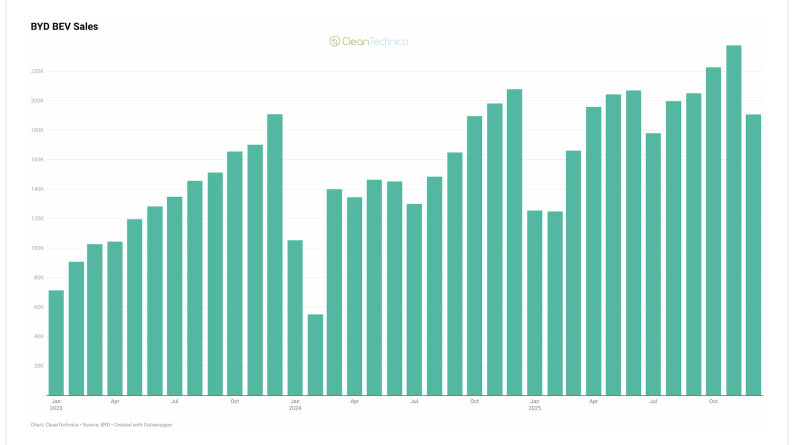
Electric Vehicle Giant BYD Surpasses Tesla, Sees Mixed Sales Performance in 2025
 🚀 Innovation
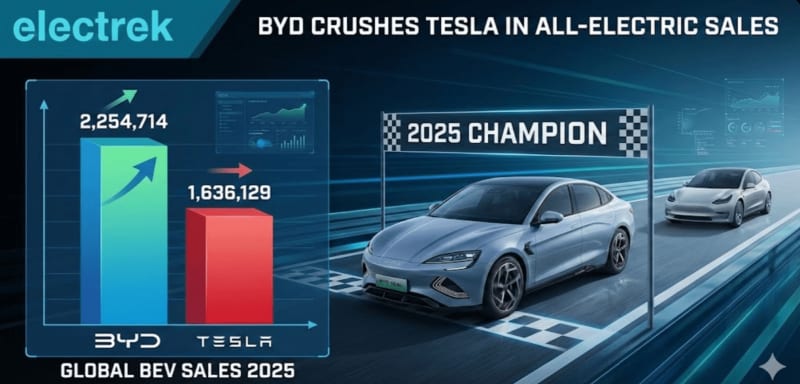
Tesla's Electric Revolution: Q4 Deliveries Surge and BYD Leads Global EV Market
 🚀 Innovation