Spanish Music Hits 120 Billion Plays in US Alone
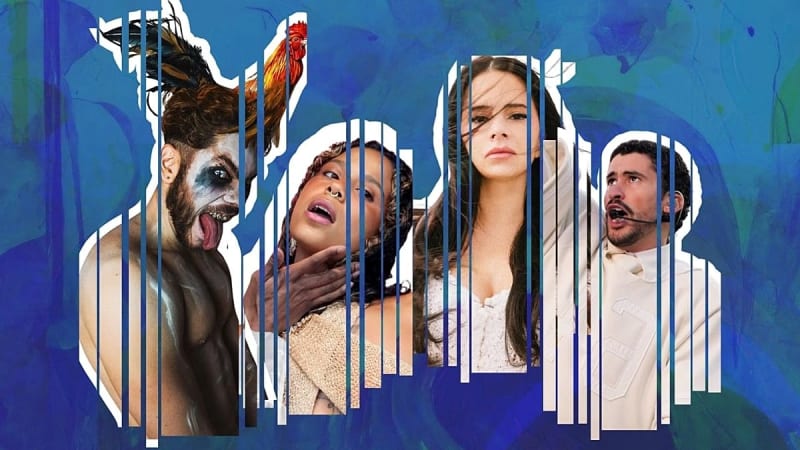
Spanish-language music is exploding beyond Bad Bunny and Rosalía, with 635 million speakers fueling a creative revolution across genres from Peruvian electronica to Kentucky neo-folk. Artists are blending traditional roots with modern sounds, making Spanish the second most popular language in global music.
Music in Spanish is having a moment that goes far deeper than the chart-toppers you already know.
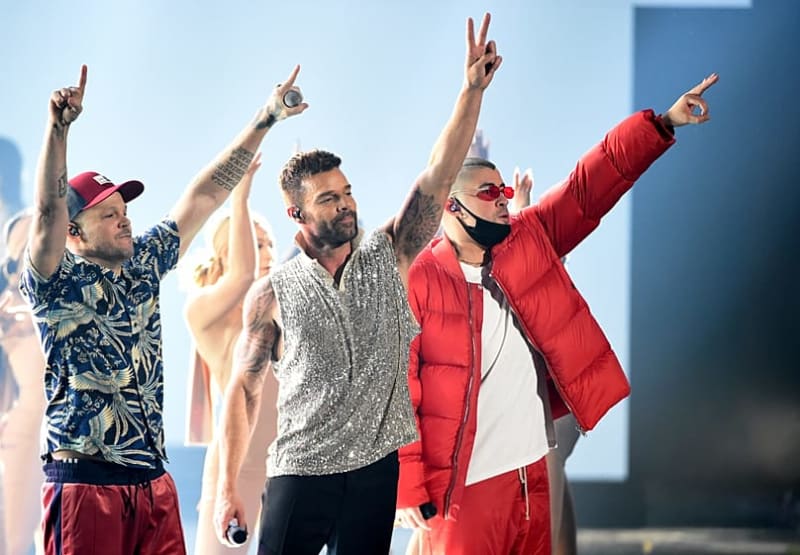
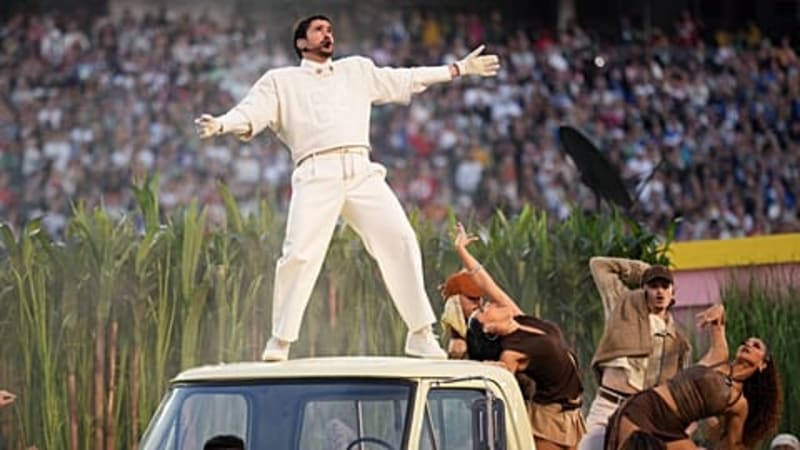
Beyond the viral hits from superstars like Bad Bunny and Rosalía, a whole generation of artists is rewriting what Spanish-language music can sound like. We're talking 635 million people who sing or dream in Spanish, and they're driving a creative revolution that spans continents and genres.
Take Sofía Kourtesis, a Peruvian artist whose electronic beats are filling Berlin nightclubs. Or Cain Culto, the son of Colombian and Salvadoran immigrants who grew up in Kentucky and fuses Appalachian music with his family's Hispanic roots. These artists are part of a neo-folk and genre-fusion trend that's reshaping the 2020s music landscape.
The numbers tell an incredible story. In the United States alone, Spanish-language music racked up 120.9 billion plays in 2025, nearly overtaking country music's 122.5 billion. That's in the world's largest entertainment market and its second-largest Spanish-speaking country.
On global platforms, Spanish holds its ground as a cultural powerhouse. A quarter of all songs on YouTube and Spotify charts use Spanish, according to a 2023 study by the Cervantes Institute. While English-language music consumption dropped 3.8% in one recent year, Spanish music grew by the same percentage.
Eduardo Viñuela, a musicology professor at the University of Oviedo, explains that this diversity isn't new but evolutionary. "What we have within the umbrella of Latin music is a lot of different expressions that have different regional origins and are the result of interaction with everything moving globally," he says.
The fusion happening today echoes historical cultural blending, like how flamenco emerged from the meeting of gypsy, Christian, and Moorish cultures in Andalusia. Music has always been about cultures coming together, and that process is accelerating.
The Ripple Effect
This musical explosion reflects something bigger than streaming numbers. Growing Latino purchasing power, especially in the United States, means more investment in Spanish-language artists and production. That creates opportunities for musicians who might have been overlooked in previous decades.
The genre barriers are crumbling too. Spanish is now the language of 21% of the 500 most-played songs on Spotify, far ahead of Korean, Hindi, Arabic, or Portuguese. Seven of the 30 most-viewed music videos in YouTube history are in Spanish, representing 13 billion views combined.
What makes this movement special is its refusal to fit into neat boxes. These artists aren't just making "Latin music" anymore. They're making electronic, folk, hip-hop, and experimental sounds that happen to be in Spanish.
The cultural impact reaches into identity and representation, giving second and third-generation immigrants a connection to their heritage through contemporary sounds. It's creating space for young people to celebrate their roots while carving out something entirely new.
This isn't hype built on a couple of megastars. It's a wave powered by 635 million voices finding new ways to sing.
More Images


Based on reporting by Euronews
This story was written by BrightWire based on verified news reports.
Spread the positivity!
Share this good news with someone who needs it