
Startup's Private Pod Taxis Let Introverts Rideshare in Peace
A California startup just unveiled an autonomous taxi that splits into four private capsules, letting riders share a vehicle without sharing personal space. By 2028, your rideshare might finally respect your need for alone time.
📺 Watch the full story above
Imagine climbing into a rideshare and actually having your own space, complete with privacy glass, a personal screen, and no awkward small talk required.
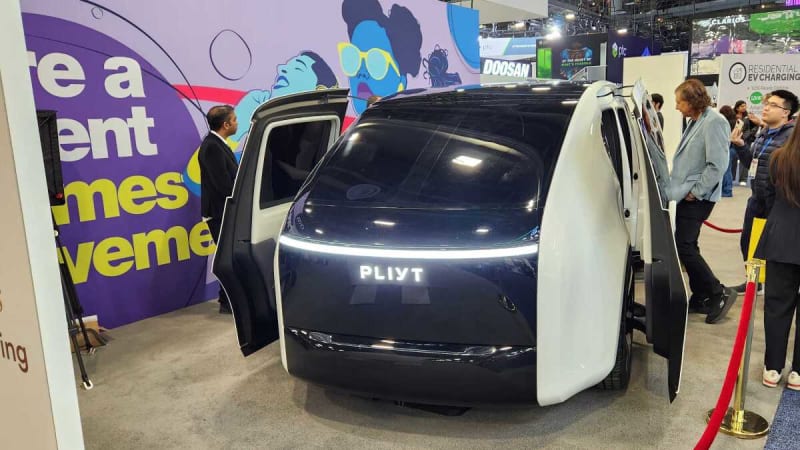
California startup Pliyt just revealed exactly that at CES 2026 in Las Vegas. Their autonomous vehicle concept divides the interior into four completely independent pods, each with one-way glass that lets you see out while keeping others from seeing in.
Unlike traditional rideshares where strangers squeeze into shared cabins, each Pliyt capsule creates what the company calls a "private sanctuary on wheels." The pods come equipped with plush seating designed for comfort, personalized entertainment screens for gaming or streaming, and retractable workstations for productivity on the go.
The best part? You control your experience. Traveling solo and need quiet time? Keep your pod sealed. Want to chat with a friend in the next capsule? Lower the dividing window and make it social.
While autonomous pod concepts from companies like Amazon's Zoox and Waymo already exist, Pliyt's team says their design stands out by prioritizing personal space from the ground up rather than retrofitting autonomy onto conventional cars. The concept resonated strongly with CES attendees who saw privacy as a feature, not a bug.
The Ripple Effect
This innovation addresses a real pain point in urban transportation. As cities grow denser and ridesharing becomes more common, finding ways to move people efficiently while respecting personal boundaries could make shared transportation more appealing to those who currently avoid it.
Pliyt doesn't yet have its own autonomous driving system but plans to partner with existing providers once the project solidifies. The company is actively seeking investors to help develop a pilot vehicle, with public trials targeted for 2028.
The startup's team emphasizes they're taking a measured approach, focusing on engineering validation, regulatory alignment, and strategic partnerships over the next 12 to 18 months. They're building something that works, not just something that looks futuristic.
For introverts and privacy-conscious commuters everywhere, the future of ridesharing might finally feel like a ride worth taking.
More Images


Based on reporting by New Atlas
This story was written by BrightWire based on verified news reports.
Spread the positivity! 🌟
Share this good news with someone who needs it


