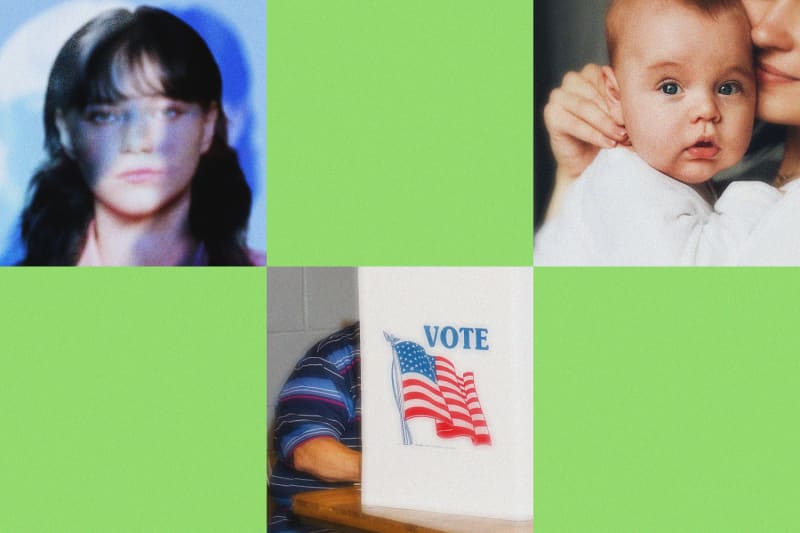
State Innovations: How 2026 Laws Will Protect Voters, Workers, and Healthcare Consumers
Thirty-eight states are taking groundbreaking steps to regulate artificial intelligence and expand worker protections. From election safeguards to family leave policies, these new laws signal a proactive approach to emerging technological and social challenges.
As the United States enters 2026, a wave of innovative state legislation promises to address some of the most pressing technological and social challenges facing Americans today.
Thirty-eight states have passed groundbreaking laws targeting artificial intelligence, voter protection, and worker rights, demonstrating a robust state-level response to emerging national concerns.
At the forefront of these efforts are comprehensive AI regulations designed to prevent technological misuse. California has enacted legislation preventing AI systems from impersonating healthcare professionals, while Oregon specifically prohibits AI programs from claiming medical titles like 'nurse' when providing medical advice.
The issue of deepfakes has also captured state legislators' attention. Montana and South Dakota have implemented laws requiring explicit disclosures about digitally altered content in elections, a critical safeguard after incidents like the 2024 presidential election robocall that used AI to impersonate President Joe Biden.
Simultaneously, several states are expanding worker protections through paid family and medical leave policies. Maine, Delaware, and Minnesota will launch new programs in 2026, joining a growing movement to support workers during critical life moments. Minnesota state Senator Alice Mann, a physician, championed her state's legislation, sharing a powerful perspective from her medical practice.
'I see people every single day who struggle,' Mann explained. 'People are left with the choice of taking care of themselves, their family members, their new baby and not getting a paycheck anymore. And that's not an option that the rest of the world has to face.'
These state-level innovations come despite attempts by federal authorities to limit local regulatory approaches. President Donald Trump's December executive order sought to create a 'minimally burdensome national policy' for AI, but lacks the legal strength of congressional legislation.
As Tim Storey, CEO of the National Conference of State Legislatures, noted, 'States have taken the lead, as they have in so many issues. AI is the big one.' With Congress unable to pass comprehensive national regulations, state governments are stepping up to protect citizens' interests in an increasingly complex technological landscape.
The 2026 legislative landscape reflects a proactive, nuanced approach to emerging challenges, showing how state-level innovation can drive meaningful social and technological progress.
Based on reporting by NBC News
This story was written by BrightWire based on verified news reports.
More Good News
 💡 Solutions
Hong Kong Revamps Healthcare Fees to Support Sustainable Medical System
 💡 Solutions
Federal Agencies Investigate Minnesota Daycare Centers Following Viral Video Claims
 💡 Solutions