States Create Climate Superfunds to Make Polluters Pay
States across America are stepping up to tackle climate costs by creating special funds that require fossil fuel companies to help pay for damage from floods, heat waves, and extreme weather. With federal support fading, this grassroots movement is gaining momentum as communities demand fairness.
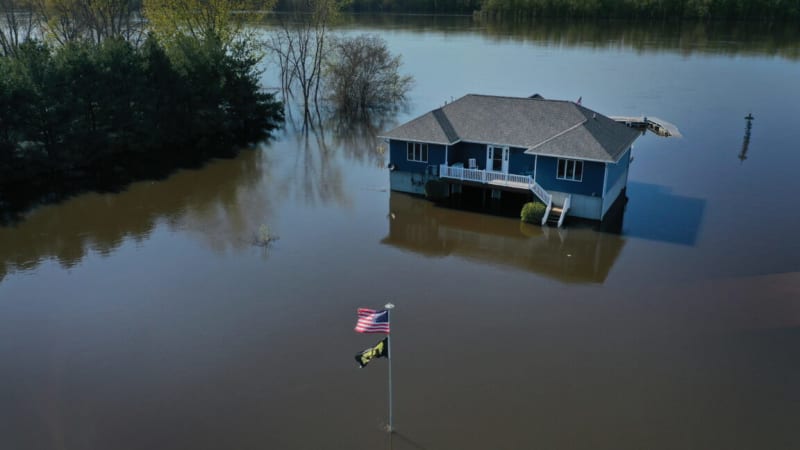
When flooding destroyed her Chicago basement for the third time, Gina Ramirez decided enough was enough. Now she's part of a growing movement asking a simple question: Why should families pay for climate damage when fossil fuel companies walk away with record profits?
Illinois is the latest state preparing to introduce a climate superfund bill, joining a wave of similar efforts nationwide. The idea is straightforward: companies that contributed most to climate change should help cover the rising costs.
Those costs are staggering. Last year alone, the US faced 23 weather disasters causing at least $1 billion each in damages, totaling $115 billion. Since 1980, these disasters have cost the country more than $3.1 trillion.
State Representative Robyn Gabel from Evanston is introducing the Illinois bill because she's watched climate costs hit her constituents hard. "The costs with climate change are going to be extravagant, and it's going to end up on the backs of the taxpayers," she said.
Two states have already won this fight. New York and Vermont passed climate superfund laws that work like the original 1980 Superfund Act, which made companies pay to clean up toxic contamination they created.
The concept has broad support. Polling shows 71 percent of likely voters nationwide favor making oil and gas companies pay their share of climate damages.
Rhode Island introduced its bill this month. Washington DC announced legislation to study climate costs and potential company compensation. Maine's superfund bill just passed committee and heads to a full Senate vote.
The Ripple Effect
This movement shows how communities can drive change even when federal support disappears. After the US exited the Paris Climate Agreement and federal emergency funding faced cuts, state lawmakers and local advocates refused to accept defeat.
Illinois families are already paying through higher insurance premiums, utility bills, and health costs from worsening floods, heat waves, and air pollution. Senator Graciela Guzmán sees the superfund as practical help for schools, families, and local governments struggling with these consequences.
The fossil fuel industry is fighting back, challenging the New York and Vermont laws in court with help from the US Department of Justice. The American Petroleum Institute lists blocking superfund legislation among its top priorities, claiming the laws threaten affordability.
Climate advocates aren't backing down. "We recognize that this is a David versus Goliath fight, but we're not going to back down," said Cassidy DiPaola of the Make Polluters Pay campaign. "It's what the majority of the population wants, and it's something that's simple and fair and makes a lot of sense."
Activists and disaster survivors are rallying across the country this week in Connecticut, Colorado, California, New Jersey, and Maine, building momentum for what they call the "Make Polluters Pay" effort.
As climate costs keep climbing and more basements flood, this grassroots movement proves communities won't wait for permission to protect their futures.
More Images


Based on reporting by Ars Technica Science
This story was written by BrightWire based on verified news reports.
Spread the positivity!
Share this good news with someone who needs it