
Thailand's Chiang Mai Set to Become Model City for Creativity
Thailand's Pheu Thai Party unveiled an ambitious plan to transform Chiang Mai into a hub for creative industries, inclusive tourism, and equality. The vision centers on supporting small artists, connecting tourism experiences, and celebrating diversity as an economic driver.
Imagine a city where a small café's story matters as much as a famous mountain peak, and where celebrating diversity fuels economic growth.
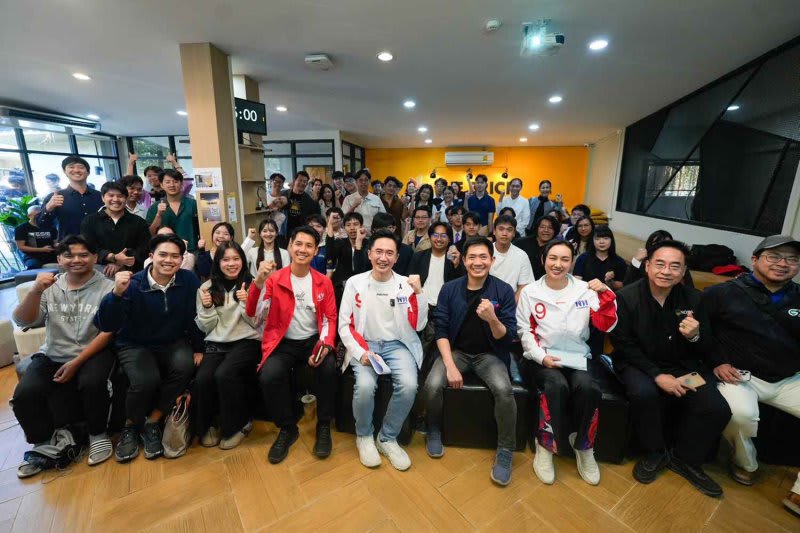
That's the vision Pheu Thai Party leaders shared during a Saturday forum in Chiang Mai, where they met with LGBTQIA+ community members, artists, cultural workers, and business owners. Prime ministerial candidates Yodchanan Wongsawat and Suriya Jungrungreangkit listened to local voices while outlining policies to make the northern Thai city a national model for inclusive progress.
At the heart of the plan is "cluster tourism," a fresh approach that recognizes how visitors actually experience Chiang Mai. Instead of rushing between major landmarks, tourists value the journey itself: the roadside coffee shop with a compelling history, the creative studios tucked into neighborhoods, the authentic connections along the way to destinations like Doi Inthanon.
"The true charm of Chiang Mai may lie in a small café that can tell a deep story," Yodchanan explained. This thinking shifts focus from big attractions to the web of experiences that make a place memorable.
The government would act as a "talent scout" for young creators and entrepreneurs, identifying promising ideas and funding them to spark jobs and opportunities. This support for content creators, artists, and small cultural businesses aims to push Thailand's tourism toward higher-value services that generate sustainable income rather than quick, low-margin visits.
Diversity isn't just policy talk in this vision. It's economic strategy. Yodchanan emphasized that equality issues affect everyone, from LGBTQIA+ residents to Muslim and Christian communities facing misunderstanding. Recognizing human dignity naturally leads to mutual respect, he argued, and that respect creates environments where creativity thrives.
The plan extends into classrooms too. Yodchanan proposed creating "city heroes" as role models, real people whose stories inspire students emotionally before teaching logic. Universities and schools would become flexible "incubators" nurturing dreams aligned with the creative economy's future needs.
The Ripple Effect
If successful, Chiang Mai's transformation could reshape how Thai cities approach growth. Instead of choosing between culture and commerce, the model shows they strengthen each other. Supporting a young animator or small gallery owner today builds the creative ecosystem that attracts high-spending visitors tomorrow.
Other cities watching Chiang Mai might adopt similar approaches, recognizing that celebrating local talent and diversity isn't just morally right. It's smart economics that keeps communities vibrant and dollars circulating locally rather than flowing to generic tourist traps.
When artists feel valued, tourists seek authentic experiences, and diversity becomes strength, everyone wins.
More Images

Based on reporting by Bangkok Post
This story was written by BrightWire based on verified news reports.
Spread the positivity! 🌟
Share this good news with someone who needs it


