Thailand's Tiny Elephant Hope: How One Calf's Survival Reveals Complex Wildlife Challenges
A tiny elephant's survival story reveals the complex challenges facing wildlife conservation, highlighting how human compassion and scientific understanding can make a difference in protecting endangered species.
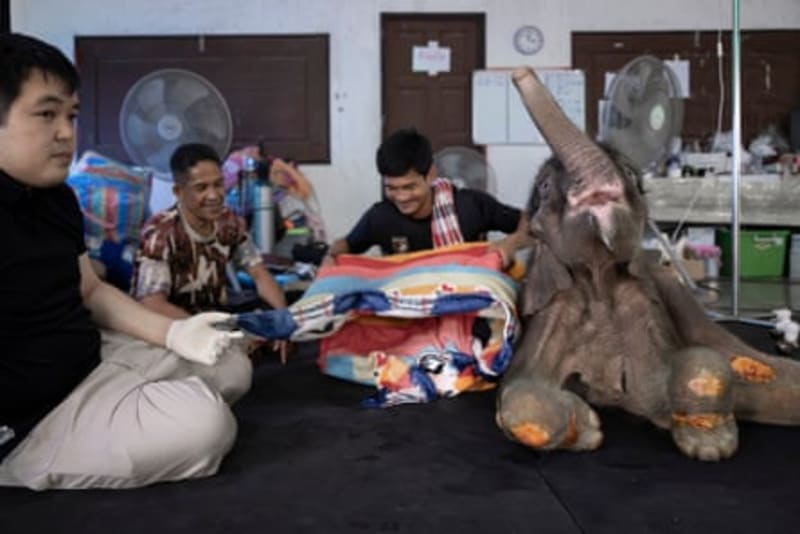
In a heartwarming tale of resilience, a two-month-old elephant named Khao Tom is defying the odds, capturing the attention of wildlife experts and the Thai public alike. Born with a congenital knee disorder that made keeping up with her herd impossible, this tiny survivor was abandoned shortly after birth but has found a second chance at life through dedicated rescue efforts.
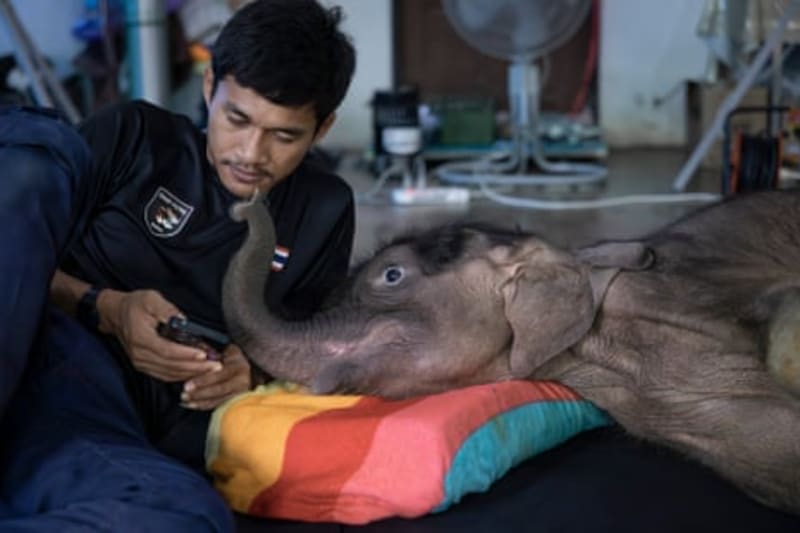
At the Bueng Chawak wildlife rescue centre, Khao Tom receives round-the-clock care from a team determined to help her thrive. Senior veterinarian Natthanon Panpetch recalls the moment they first discovered her: weak, covered in abrasions from her mother's attempts to drag her through the forest, and fighting a serious digestive infection.
Her remarkable recovery highlights a growing concern among wildlife researchers: the increasing incidents of elephant calf abandonment across south and south-east Asia. While historically rare, data shows a significant rise from an average of two reported cases annually between 2015 and 2022 to fourteen cases in 2025.
Renowned elephant behavior expert Joshua Plotnik explains that elephant mothers typically invest enormous energy in their young, with pregnancies lasting nearly two years and calves remaining dependent for several more. Abandonment occurs only under extreme circumstances, such as significant herd stress or situations threatening overall group survival.
The root of these separations often traces back to habitat destruction and intensifying human-elephant conflicts. As forests fragment and natural ranges shrink—with 64% of Asian elephant habitat lost since 1700—these intelligent animals are increasingly forced into closer contact with human settlements, disrupting traditional migration and social patterns.
Plotnik notes that elephants' remarkable adaptability can paradoxically increase conflict, as they learn to navigate fragmented landscapes and sometimes raid crops to survive. These environmental pressures can divide social groups and trigger behaviors that lead to calves becoming separated from their herds.
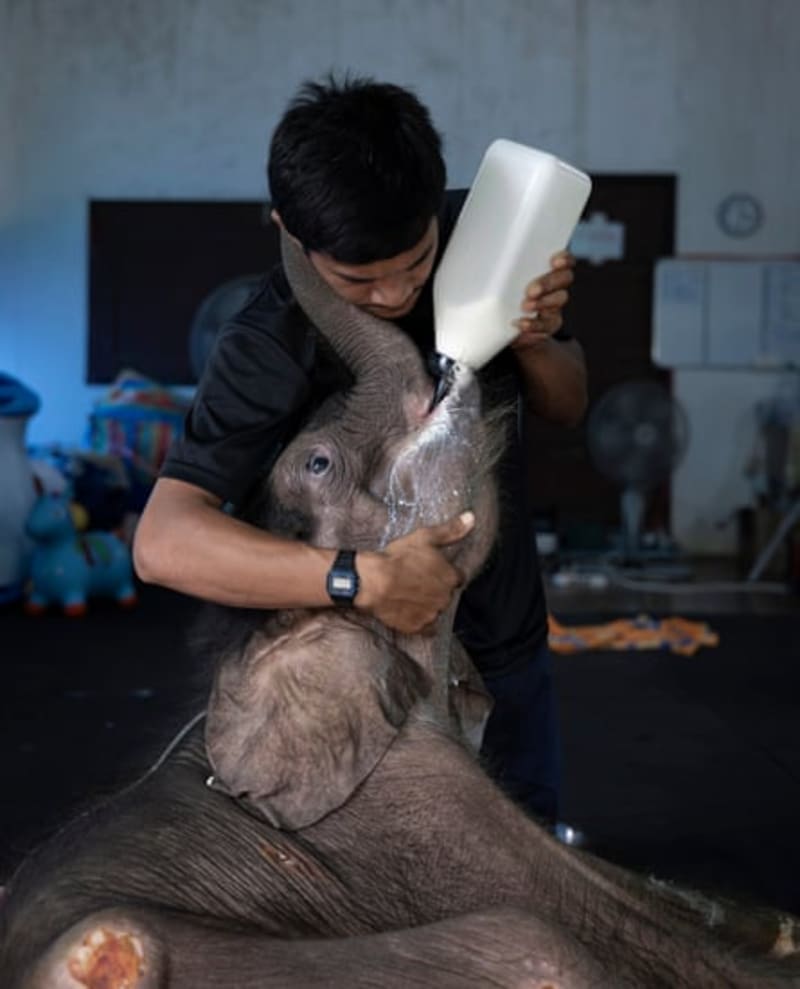
Community response has been crucial in cases like Khao Tom's. When the rescue centre shared her story on social media, the Thai public rallied, sending toys, formula, and financial support—demonstrating the powerful connection between humans and these magnificent creatures.
While challenges remain, stories like Khao Tom's offer hope. Each rescued calf represents not just an individual survival story, but a broader opportunity to understand and protect these complex, intelligent animals in an increasingly challenging world.
Based on reporting by Guardian Environment
This story was written by BrightWire based on verified news reports.
Spread the positivity! 🌟
Share this good news with someone who needs it
More Good News
 🌍 Planet
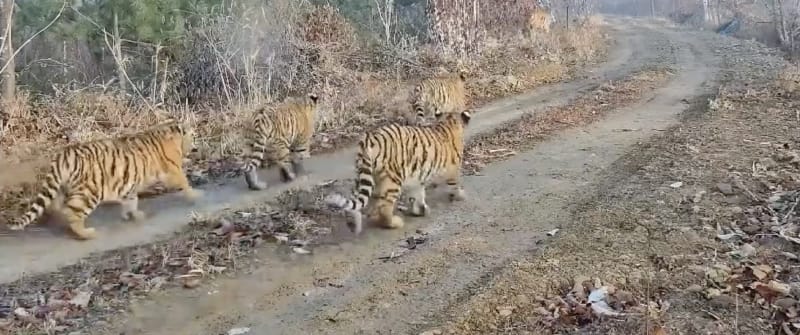
Five Tiger Cubs Captured in Rare Camera Trap Footage: Conservation Victory in China
 🌍 Planet
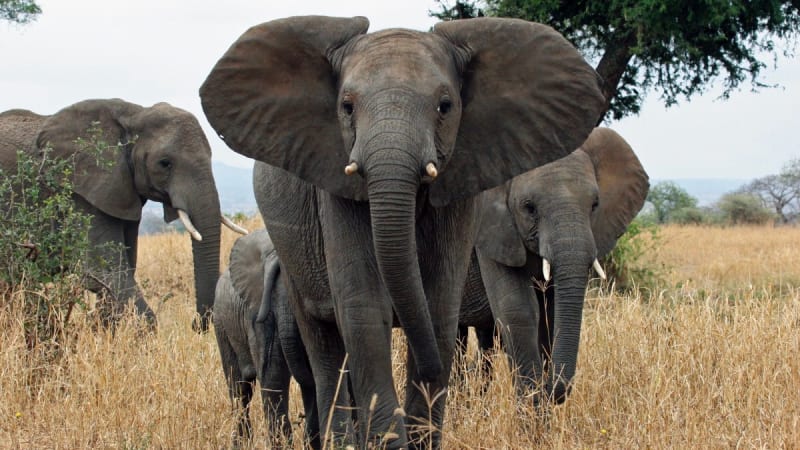
Nature's Genius: How Elephant Ears Are More Than Just Big Floppy Appendages
 🌍 Planet