The Beautiful Way India Once Shopped: A Celebration of Community & Connection
Before the era of instant delivery, Indian grocery shopping was a heartwarming tapestry of relationships, traditions, and community bonds. These cherished practices remind us of the joy found in slower, more meaningful ways of living that connected families, neighbors, and local businesses.
There's something magical about remembering how things used to be—not with nostalgia for a "better" past, but with appreciation for the beautiful traditions that shaped our communities. Before groceries arrived at our doorsteps in minutes, they arrived with something even more valuable: human connection, trust, and time spent together.
The neighborhood kirana shop was the heartbeat of every community. Shopkeepers didn't just sell goods; they knew every family by name, their preferences, and even their stories. The khata system, where monthly accounts were maintained on trust alone, exemplified the deep relationships that made shopping a personal experience. These shops sustained local livelihoods and created economic ecosystems where everyone thrived together.
Morning routines had their own gentle rhythm. The milkman's arrival wasn't just a delivery—it was a daily ritual that connected urban homes to small dairy farmers. Fresh milk poured into steel vessels represented more than sustenance; it was a moment of familiarity and reliability that started each day with human warmth.
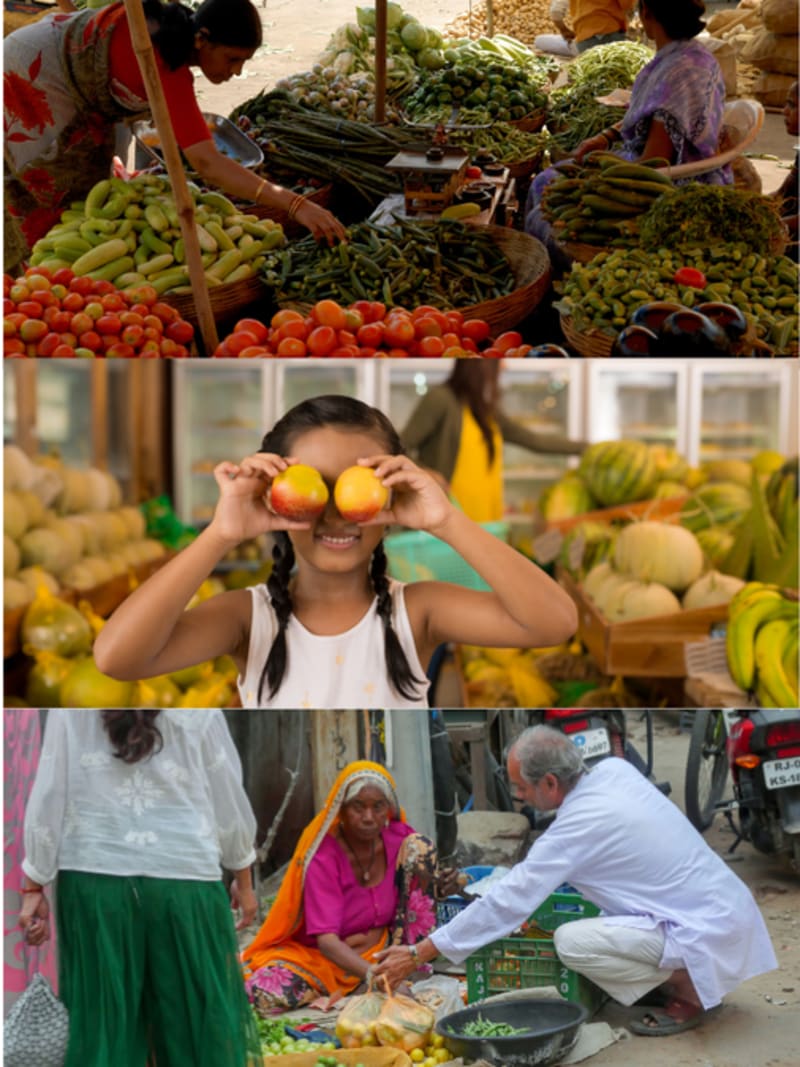
Vegetable shopping was an adventure in itself. Pushcarts and local farmers brought seasonal produce straight from the fields, teaching families to eat with nature's calendar rather than against it. Mangoes in summer, leafy greens in winter—this seasonal approach meant less waste, more mindful consumption, and a deep respect for natural cycles. Negotiating prices wasn't about conflict; it was conversation, connection, and understanding where food came from.
The early morning fish markets buzzed with energy as fisherfolk brought their fresh catches straight from the water. These transactions followed nature's rhythms and honored regional food cultures, creating a direct link between those who caught the fish and those who cooked it.
Perhaps most heartwarming was how groceries strengthened community bonds. When salt or sugar ran out, neighbors shared without hesitation. These small exchanges weren't inconveniences—they were opportunities to check in, chat, and maintain the social fabric that held neighborhoods together.
Weekly haats transformed shopping into family outings. Parents, children, and grandparents walked through bustling stalls together, choosing produce and meeting the people who grew it. Money stayed within communities, supporting local farmers and creating prosperous local economies.
Children played a special role too. Being trusted to buy groceries, remember lists, and carry bags home built responsibility and confidence. These small errands became cherished memories of contributing to family life.
Even evening walks served double duty as shopping trips. Stopping to buy fruits or snacks turned groceries into quality family time, creating conversations and connections that rushed transactions simply cannot replicate.
Buying grains and oil in bulk once monthly encouraged thoughtful planning and reduced impulse purchases. Families stored provisions carefully, practicing resource management that benefited both household budgets and the environment.
These practices didn't disappear because they were inefficient—they evolved as life changed. But remembering them helps us appreciate the values they embodied: community support, environmental consciousness, intergenerational bonding, and the simple joy of human connection. While we embrace modern conveniences, these beautiful traditions remind us that sometimes the journey is just as nourishing as the destination.
Based on reporting by The Better India
This story was written by BrightWire based on verified news reports.
Spread the positivity! 🌟
Share this good news with someone who needs it
More Good News
 💡 Solutions
Florida Family Saves Over $6,000 Yearly with Smart Solar and Electric Vehicle Switch
 💡 Solutions
Smart Startup Makes Heat Pumps More Efficient and Affordable for Everyone
 💡 Solutions
Coimbatore Makes Spring Cleaning Easy with Special Waste Collection Drive
Joke of the Day
Why did the librarian get kicked out of class?
Explore Categories
Quote of the Day
"Do not go where the path may lead, go instead where there is no path and leave a trail."
— Ralph Waldo Emerson