Three Therapists Share Powerful Tools to Thrive in Uncertain Times
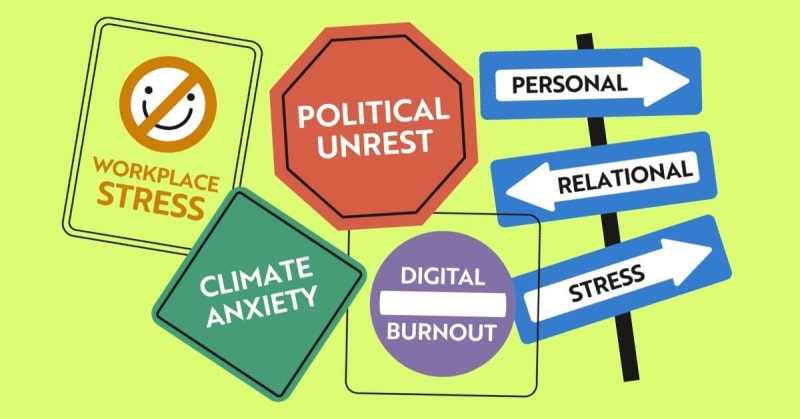
Mental health experts are stepping up with actionable, science-backed strategies to help Americans navigate modern challenges. From climate anxiety to digital overwhelm, these therapists offer compassionate guidance that empowers people to take meaningful action and build resilience together.
In a world that often feels overwhelming, mental health professionals are offering a beacon of hope—and practical tools anyone can use to build resilience and find meaning amid uncertainty.
The Yale Program on Climate Change Communication recently surveyed Americans to understand what's weighing most heavily on people's minds. While concerns about government corruption, cost of living, and democracy topped the list, what's truly remarkable is how people are responding: by seeking connection, taking action, and finding ways to care for themselves and their communities.
Three exceptional therapists have come forward to share their wisdom on navigating modern challenges. Dr. Jenny Taitz, a clinical psychologist and author of "Stress Resets," specializes in helping people find immediate relief from daily pressures. Crystal Britt, a licensed clinical social worker, supports neurodivergent and highly sensitive individuals through burnout and transition. Alex Mammadyarov, author of "Growing Through Grief," guides clients through loss and anxiety with compassion and expertise.
Their collective message is powerful: worry isn't weakness—it's a sign that you care deeply about the world around you. And that caring can be channeled into meaningful action.
When it comes to political concerns, Dr. Taitz emphasizes the importance of translating worry into helpful action. "Can you donate to someone in need? Can you get involved in a grassroots organization?" she asks. Every small contribution matters, and recognizing your impact—no matter how modest—can transform anxiety into purpose.
Crystal Britt offers liberating advice for those who feel responsible for fixing everything: focus your energy on one issue you're most passionate about. "Our brains were not meant to see the volume of cruel and unjust things in the world at the rate we do," she explains. By choosing where to direct our care, we protect our nervous systems while still making a difference.
For climate anxiety, the experts agree that action is the antidote. Dr. Taitz suggests starting small: eliminating meat one day a week or switching to a refillable water bottle. These tangible steps remind us that we're not powerless—we're participants in positive change.
Perhaps most importantly, all three therapists emphasize the healing power of community. Alex Mammadyarov notes that self-isolation amplifies feelings of powerlessness, while spending time with others creates unity and fosters hope. Crystal Britt adds that even "parallel play hangouts"—simply being present with others without a specific agenda—can provide tremendous relief, especially for neurodivergent individuals.
The message from these mental health professionals is clear: you don't have to navigate these challenges alone, and your responses to stress are signs of your humanity, not flaws. By combining self-compassion with purposeful action and genuine connection, we can move through difficult times with greater resilience.
While these insights don't replace professional mental health care, they offer a roadmap for anyone seeking direction in uncertain times. The experts remind us that even amid serious challenges, we have more power than we realize—the power to take meaningful action, to connect with others, and to care for ourselves along the way.
As more people seek these evidence-based strategies for coping and thriving, a quiet revolution in collective wellbeing is taking shape, one small action and one genuine connection at a time.
Based on reporting by Good Good Good
This story was written by BrightWire based on verified news reports.
Spread the positivity! 🌟
Share this good news with someone who needs it
More Good News
 🧘 Health & Wellness
Exercise Rivals Therapy for Depression: 5,000-Person Study Brings Hope
 🧘 Health & Wellness
Music Therapy as Effective as Talk Therapy for Cancer Patients at NYC Center
 🧘 Health & Wellness
New Medication-Free Treatment Brings Hope to Depression and OCD Patients
Joke of the Day
Why did the dog apply for a job at the bank?
Explore Categories
Quote of the Day
"The greatest thing you'll ever learn is just to love and be loved in return."
— Moulin Rouge (from the film, popularized by Ewan McGregor)