Transgender Professor's Coming Out Journey Made Her "Best Teacher Ever
When Shannon Bros came out as a transgender woman in 1997 at San Jose State University, she transformed into the most effective educator of her career. Her story, along with PhD student Kihana Wilson's experience, shows how authenticity creates better academic environments and inspires positive change in research institutions.
Sometimes the most powerful transformations happen when we embrace our authentic selves. Shannon Bros, an emeritus ecologist at San Jose State University in California, discovered this truth firsthand when she came out as a transgender woman to her students and colleagues in 1997.
The decision wasn't easy. Bros had built what looked like an ideal life, with a strong marriage, children, and the respect of her department. "I had a perfect life. I had a fabulous marriage. I had kids. I have always been respected in my department. The last thing I wanted to do was transition," she recalls. Yet something profound happened after she made the courageous choice to live authentically.
"I became the best teacher I've ever been. I became a fabulous adviser," Bros shares warmly. The transformation in her teaching didn't happen overnight. After initially experiencing isolation when her research career and friendships seemed to collapse, Bros found unexpected support, particularly from her female colleagues. She focused on rebuilding relationships with patience and grace, telling people, "Don't worry about pronouns, just get to know me again. I'm pretty much the same person."
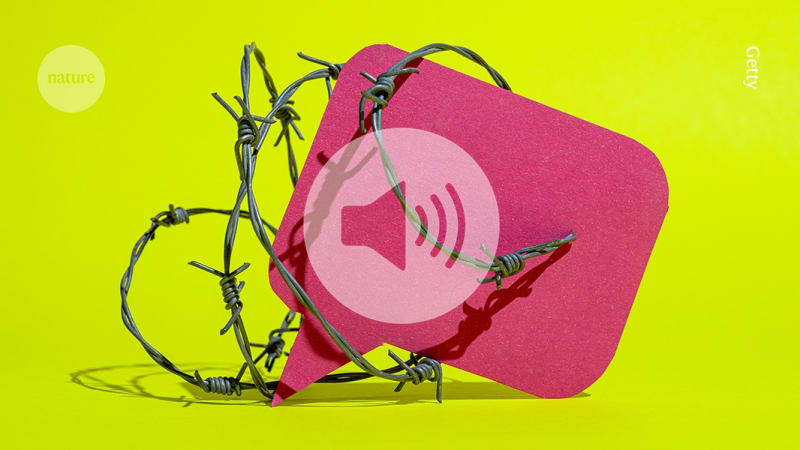
Bros joins Kihana Wilson, a computational physics PhD student at the University of Michigan in Ann Arbor, in sharing their experiences as part of Nature's Off Limits podcast series. Wilson brings her own valuable perspective as a Black queer female scholar working in a field that has traditionally been predominantly white and male. She describes the "invisibility/hypervisibility paradox" she navigates, offering insights that are helping reshape academic spaces.
Wilson's vision for the future is beautifully optimistic. "My hope is that the way that we think about how science and academia should be organized, the ideas we have about who are true scientists, and how scientists should look and fit into academic spaces, evolves and expands," she explains.
The Bright Side
What shines through in these stories is the remarkable positive impact that authenticity can have on teaching and mentorship. Bros's experience shows that when we bring our whole selves to our work, we connect more deeply with students and colleagues. Her transformation into a better teacher came from the vulnerability and strength required to live authentically.
The conversations happening now, through platforms like the Off Limits podcast, are opening doors for LGBTQ+ researchers across all career stages. Academic institutions are increasingly recognizing that welcoming diverse identities isn't just the right thing to do, it actually creates better science and stronger educational environments.
Bros's journey through adversity to becoming an exceptional educator demonstrates how personal courage can inspire systemic change. Her willingness to be patient with colleagues, to give them time to adjust while staying true to herself, created a pathway that others can now follow more easily.
Today, both Bros and Wilson are helping reshape what it means to be a scientist, proving that excellence in research and teaching flourishes when people can bring their authentic selves to their work. Their stories remind us that creating welcoming spaces benefits everyone, leading to richer conversations, better mentorship, and ultimately, better science.
More Images


Based on reporting by Nature News
This story was written by BrightWire based on verified news reports.
Spread the positivity! 🌟
Share this good news with someone who needs it
More Good News


DAILY MORALE
What did the thermometer say to the graduated cylinder?
EXPLORE INTEL
DAILY INSPIRATION
Hope is the thing with feathers that perches in the soul and sings the tune without the words and never stops at all.
Emily Dickinson