Turning Wastewater into Liquid Gold: The Exciting Future of Sustainable Farming
Scientists are discovering innovative ways to transform human urine into safe, effective fertilizers that could help solve looming food shortages while protecting our planet. This ancient practice, now backed by modern science, offers a brilliant solution to multiple environmental challenges at once.
What if the answer to sustainable agriculture has been with us all along? Researchers worldwide are rediscovering an ancient secret that could revolutionize how we grow our food while protecting the environment.
Human urine contains the exact nutrients plants crave: phosphorus, nitrogen, and potassium. Ancient Roman and Chinese gardeners knew this centuries ago, and now modern science is catching up with exciting innovations that could transform wastewater into agricultural treasure.
The timing couldn't be better. As phosphorus from traditional mining becomes increasingly scarce, scientists are developing clever ways to capture and recycle these precious nutrients before they wash out to sea. Jordan Roods, a Ph.D. candidate at the University of Technology Sydney's Institute for Sustainable Futures, is part of a team pioneering this promising field.
"Urine is an untapped resource," Jordan explains enthusiastically. "By recycling it and using it as a fertilizer, you're ticking multiple boxes: achieving food security, reducing water pollution, improving soil health and creating new market opportunities."
The benefits are genuinely impressive. Australia alone spends roughly nine billion dollars annually processing wastewater. By viewing this material as a resource rather than waste, communities could save money while helping the environment. Studies have even shown that properly processed urine-derived fertilizers can outperform their synthetic counterparts.
The transformation process is elegantly simple. Researchers use techniques like pasteurization, dehydration, and membrane filtration to create safe, stable fertilizers. These methods remove any contaminants while concentrating the beneficial nutrients plants need to thrive.
One of the most exciting aspects is how democratized this solution could be. Unlike phosphorus mining, which occurs in only a few global locations requiring expensive worldwide shipping, urine is produced everywhere. This means communities could process their own fertilizers locally, reducing transportation costs and environmental impact while creating new economic opportunities.
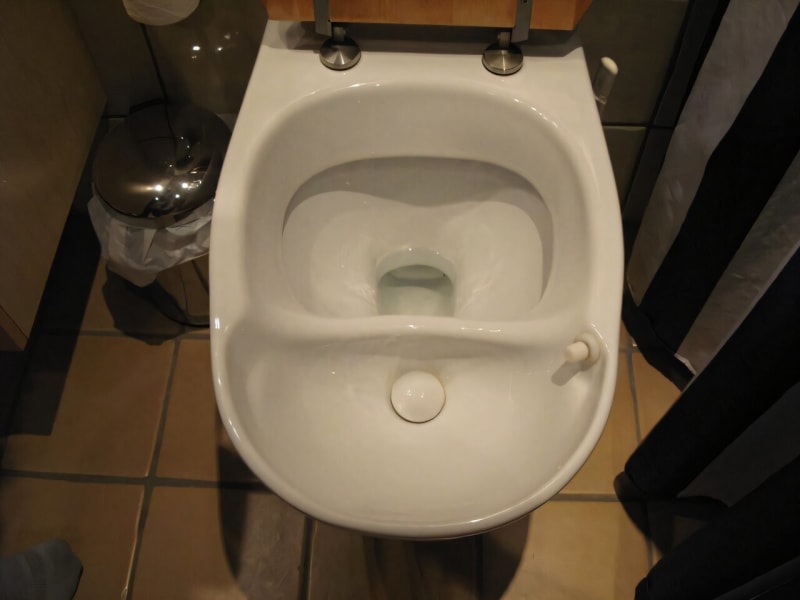
Special urine-diverting toilets are making collection easier in public spaces, offering a gender-neutral, practical solution for large-scale implementation. These innovations are already being tested in forward-thinking communities around the world.
Of course, changing perceptions takes time. Jordan acknowledges that overcoming social taboos represents the biggest challenge, but he's quick to reassure skeptics. "The urine is processed through pasteurization to remove pathogens and other contaminants, like pharmaceuticals. This makes these fertilizers very safe to use on crops," he explains. By separating urine at its source, the process prevents contamination and ensures product safety.
The environmental wins are substantial too. Currently, wastewater nutrients often end up in oceans, contributing to harmful algal blooms. By capturing these nutrients instead, we simultaneously solve multiple problems: reducing water pollution, decreasing reliance on fossil fuel-intensive fertilizer production, and ensuring future food security.
As synthetic fertilizer shortages loom on the horizon, this innovative approach offers hope. It's a perfect example of circular economy thinking—turning what we considered waste into valuable resources. With continued research and growing acceptance, what many are calling "liquid gold" could help create a more sustainable, food-secure future for everyone.
The solution to tomorrow's agricultural challenges might just be nature's way of reminding us that the best innovations often come from working with our environment, not against it.
More Images

Based on reporting by Phys.org
This story was written by BrightWire based on verified news reports.
Spread the positivity! 🌟
Share this good news with someone who needs it
More Good News
 💡 Solutions
Breakthrough Filter Keeps Harmful Nanoplastics Out of Our Water
 💡 Solutions
Abu Dhabi Welcomes Ten Visionary Innovators Tackling Global Food Security Challenges
 💡 Solutions
Hyundai Makes Electric Vehicle Dreams More Accessible with Incredible Lease Deals
Joke of the Day
Why did the librarian get kicked out of class?
Explore Categories
Quote of the Day
"Do not go where the path may lead, go instead where there is no path and leave a trail."
— Ralph Waldo Emerson