
UC San Diego Scientists Show How Small City Changes Can Transform Public Health
Researchers at UC San Diego have discovered that simple, affordable neighborhood improvements—like adding sidewalks, benches, and shade—can dramatically improve community health, especially in low-income areas. Their breakthrough 20-year research proves cities can make these life-changing upgrades right now without massive budgets.
Twenty years ago, UC San Diego urban planner Lawrence Frank made a discovery that would change how we think about city design and health. His groundbreaking research revealed something powerful: every kilometer we walk lowers our obesity risk by 5%. Now, he's back with even better news—cities can transform public health with surprisingly simple, affordable changes.
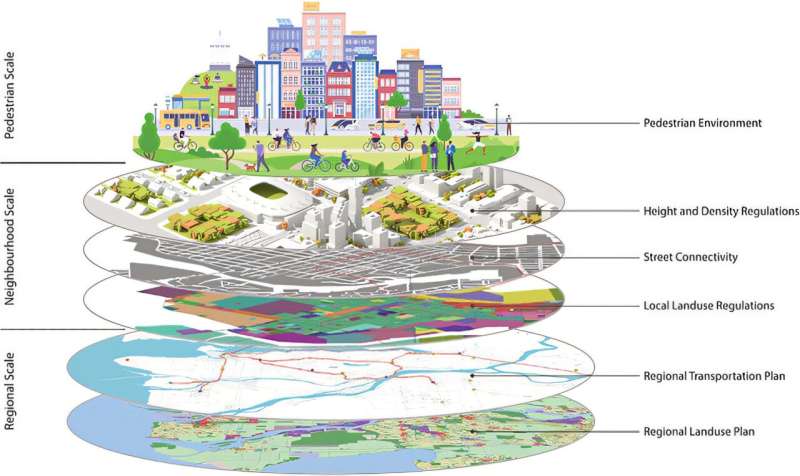
Frank's latest research, published in the American Journal of Preventive Medicine, brings an inspiring message of hope. After two decades of studying how our neighborhoods shape our wellbeing, he and his team have identified exactly which small improvements deliver the biggest health benefits. The answer is beautifully straightforward: sidewalks, trees, benches, shade, and safe street crossings.
"Investing in those small features is fairly easy to do, it's fairly inexpensive," Frank explains. "That's going to give you the biggest return on investment of anything you can do to improve public health through transportation investment."
What makes this research particularly heartwarming is where these improvements can help most. Low-income neighborhoods stand to gain the greatest health benefits from these upgrades. Frank emphasizes that focusing pedestrian-friendly investments in areas where people face higher risks of chronic disease can create transformative change.
The research shows that walkable, transit-connected communities deliver major health benefits—reducing not just obesity, but also heart disease, diabetes, and even improving mental health. These aren't abstract concepts anymore. Frank's work helped create tools like Walk Score, which millions of people use to find healthier neighborhoods.
Working with Jacob Carson, a doctoral student at the UC San Diego Herbert Wertheim School of Public Health, Frank has developed the National Public Health Assessment Model. This innovative tool helps cities calculate the real health benefits of investing in sidewalks, streets, and transit—putting wellness on equal footing with traditional concerns like traffic congestion.
The beauty of their findings lies in their accessibility. Cities don't need to wait for massive infrastructure bills or navigate contentious political battles. A few benches, some shade trees, and safer crossings can mean the difference between someone staying home or enjoying a healthy walk outside.
In a companion study published in Cities, Frank demonstrates that these small-scale features make a measurable difference, especially for older adults who benefit tremendously from age-friendly street designs.
Why It Matters: This research proves that creating healthier communities doesn't require impossibly expensive overhauls. Cities can start improving public health today with modest investments in pedestrian infrastructure. By prioritizing walkability, especially in underserved neighborhoods, communities can address health inequities while making life better for everyone. Frank's message is clear and optimistic: "We've learned exactly how the built environment shapes behavior. Now it's time to put that knowledge to work—because every mile we walk instead of driving matters."
The path to healthier cities is clearer than ever, and it starts with simple steps that any community can take.
More Images
Based on reporting by Medical Xpress
This story was written by BrightWire based on verified news reports.
Spread the positivity! 🌟
Share this good news with someone who needs it
More Good News
 Solutions
Karnataka to Bring Medical Colleges to All 71 Districts in Healthcare Win
 Solutions
Ghana Launches Inspiring 2026 Health Revolution: Prevention Over Treatment
 Solutions
Dream Takes Shape: NSW Coast Community Welcomes 11,000 New Homes After Decades of Planning
DAILY MORALE
Why did the dog apply for a job at the bank?
EXPLORE INTEL
MISSION DIRECTIVE
The greatest thing you'll ever learn is just to love and be loved in return.
Moulin Rouge (from the film, popularized by Ewan McGregor)