UK Startup Makes First Semiconductors in Space
A British company just fired up the world's first commercial semiconductor factory in orbit, proving that making super-efficient electronics in space is finally possible. The breakthrough could slash energy use in our devices by up to 60 percent.
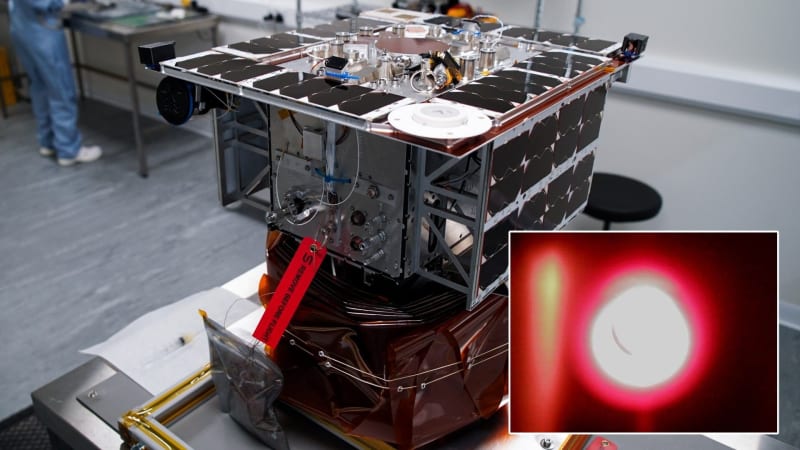
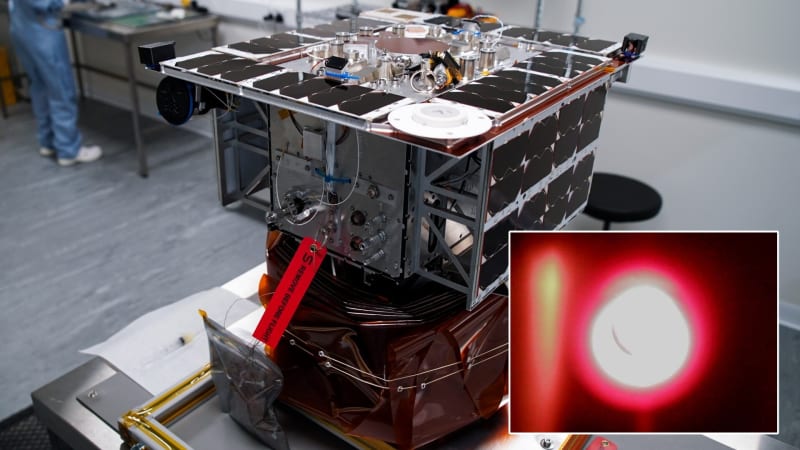
Space Forge has turned science fiction into reality by creating plasma aboard a satellite the size of a microwave oven, marking humanity's first step toward manufacturing revolutionary electronics in orbit.
The UK startup launched its ForgeStar-1 satellite in June 2025 and successfully fired up its miniature furnace last December. The tiny factory reached temperatures of 1,832 degrees Fahrenheit, hot enough to produce the plasma needed for growing advanced semiconductors in the weightless environment of space.
Why build electronics factories in orbit? Without gravity pulling on materials as they form, atoms align with near-perfect precision. Space Forge estimates this superior alignment could make semiconductors up to 60 percent more energy efficient than anything manufactured on Earth.
The company plans to use rare materials like gallium nitride, silicon carbide, and even diamond to create next-generation chips. These space-made semiconductors could power future smartphones, telecommunications networks, and supercomputers while dramatically reducing their energy consumption.
"Generating plasma on orbit represents a fundamental shift," said Joshua Western, Space Forge's CEO and co-founder. Until now, similar experiments have only happened aboard the International Space Station, never on a dedicated commercial satellite.
The Ripple Effect
If Space Forge succeeds, the impact reaches far beyond faster phones. Electronic devices account for a massive portion of global energy consumption, and 60 percent more efficient semiconductors could significantly reduce carbon emissions worldwide.
The company raised $30.5 million last year to build ForgeStar-2, which will manufacture the first actual batch of space-made semiconductors and bring them safely back to Earth using a special heat shield. Meanwhile, the current test satellite will continue gathering data before burning up in the atmosphere later this year.
This achievement opens a completely new frontier where the harsh environment of space becomes an advantage rather than an obstacle. What was once only possible in billion-dollar space stations can now happen on autonomous commercial satellites, making space manufacturing accessible and scalable for the first time.
The future of electronics might just be out of this world.
More Images

Based on reporting by Space.com
This story was written by BrightWire based on verified news reports.
Spread the positivity! 🌟
Share this good news with someone who needs it


