
UNC Scientists Crack Code on How Common Drugs Work
Researchers at UNC have discovered exactly how cells respond to medicines that one-third of Americans take, opening doors to safer treatments with fewer side effects. The breakthrough could transform how we treat everything from heart disease to chronic pain.
Scientists just figured out something that could change how millions of people experience their medications, and the implications are extraordinary.
A team at the University of North Carolina School of Medicine has cracked the molecular code of how our cells respond to some of the world's most common prescription drugs. Their breakthrough, published in the Proceedings of the National Academy of Sciences, reveals the hidden dance of proteins that make medicines work inside our bodies.
Here's why this matters to you. About one-third of all prescription drugs work by targeting proteins called G protein-coupled receptors. These tiny cellular gatekeepers help our bodies respond to hormones and brain chemicals, affecting everything from heart function to mood.
Until now, scientists couldn't see how these proteins broke away from drug-activated receptors to carry signals deeper into cells. It was like knowing a key opens a door but not understanding the lock mechanism.
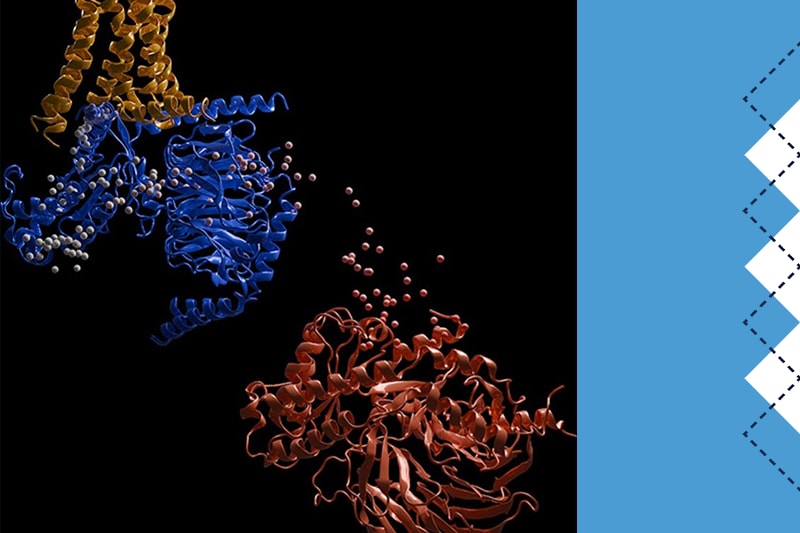
Using advanced computer simulations, the UNC team watched this process unfold for the first time. They tracked how proteins detach and move through cells, matching their digital discoveries with real lab results. Then they found something even more exciting.
The researchers discovered that certain drug compounds can slow down this separation process. Associate Professor Yinglong Miao, who led the study, worked with colleagues at Monash University in Australia to test special molecules that bind to receptors with laser precision.
These targeted compounds could mean medications with dramatically fewer side effects. The team specifically studied candidates for treating nerve pain that wouldn't cause addiction, a game changer for millions suffering from chronic pain conditions.
Why This Inspires
This discovery represents years of patient scientific work finally paying off in ways that could touch every household. When researchers understand exactly how medicines interact with our cells, they can design treatments that hit their targets without collateral damage.
Think of it like upgrading from a sledgehammer to a scalpel. Current drugs often work but can cause unwanted side effects because they're not perfectly precise. This new understanding gives scientists the blueprint for creating medicines that do exactly what we need and nothing we don't.
The implications stretch across medicine. Heart disease treatments that protect your heart without affecting other organs. Mental health medications that balance brain chemistry without drowsiness or weight gain. Pain relief without addiction risk.
The research also showcases the power of international scientific collaboration, with teams across continents working together to solve puzzles that benefit everyone. When Miao's team in North Carolina joined forces with researchers in Australia, they validated their findings across different methods and perspectives.
For patients currently managing conditions with imperfect medications, this research offers something precious: hope for better options ahead.
The path from laboratory discovery to pharmacy shelf takes time, but this breakthrough provides the foundation for the next generation of precision medicines that work smarter, safer, and better for everyone.
More Images



Based on reporting by Google News - Scientists Discover
This story was written by BrightWire based on verified news reports.
Spread the positivity! 🌟
Share this good news with someone who needs it