
US Families Gain More Flexibility in Childhood Vaccination Decisions
The United States has updated its childhood vaccination recommendations, giving families more personalized options while maintaining access to all vaccines. The changes aim to rebuild trust in public health by focusing on core immunizations while keeping additional protections available for those who want them.
In a significant shift toward personalized healthcare, the United States has updated its approach to childhood vaccination recommendations, creating what officials say is a more family-centered system that respects individual choice while maintaining protection against serious diseases.
The Centers for Disease Control and Prevention announced this week that it will now recommend all children receive vaccines against 11 core diseases, while making protections against six additional conditions available based on individual family circumstances and doctor-patient discussions. This marks a thoughtful evolution in how America approaches pediatric healthcare.
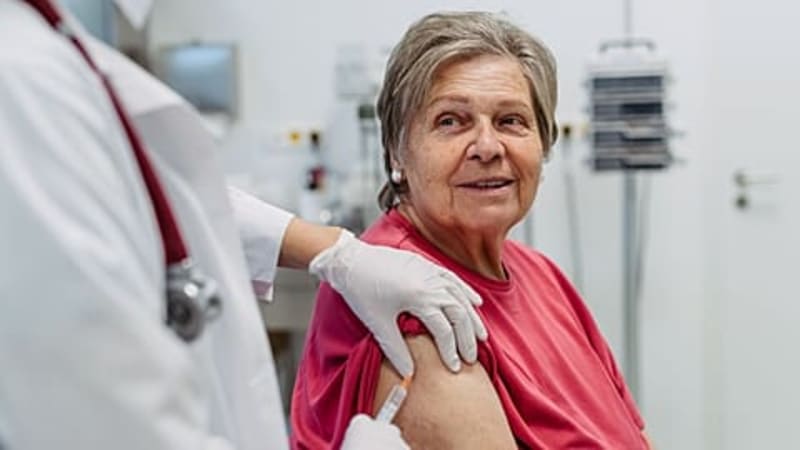
Health officials emphasize that the update doesn't restrict access to any vaccines. Families who want their children to receive the full suite of immunizations can still do so, with insurance continuing to cover these preventive measures. The change simply recognizes that different families may have different health needs and preferences.
"This decision protects children, respects families, and rebuilds trust in public health," said Health Secretary Robert F. Kennedy Jr., framing the move as an opportunity to strengthen the relationship between healthcare providers and the communities they serve.
The update came after President Donald Trump requested a comprehensive review comparing US vaccination schedules with those of other developed nations. The review examined approaches in 20 countries and found opportunities to align American practices more closely with international standards while maintaining robust disease prevention.
Denmark's streamlined approach of recommending 10 core vaccines served as inspiration, demonstrating that countries can successfully protect children's health with focused, tailored vaccination programs. The Danish model shows that thoughtful, evidence-based approaches can work effectively in developed nations.
Under the new framework, vaccines against flu, rotavirus, hepatitis A and B, certain forms of meningitis, and RSV remain fully available. Healthcare providers can recommend these immunizations through collaborative discussions with families, taking into account each child's specific risk factors, health history, and family circumstances.
This personalized approach acknowledges that healthcare is not one-size-fits-all. Some children may benefit more from certain vaccines based on their environment, health conditions, or exposure risks, while others may need different levels of protection.
Medical organizations including the American Academy of Pediatrics continue to offer their own guidance, ensuring families have multiple sources of information to make informed decisions. This diversity of voices in healthcare can actually strengthen the conversation between parents and physicians.
The update comes at a time when public engagement with healthcare decisions is evolving. By focusing recommendations on core immunizations while keeping other options accessible, officials hope to create clearer pathways for families navigating their children's healthcare journey.
Insurance companies will continue covering all childhood vaccines, ensuring financial barriers don't prevent families from accessing the immunizations they choose for their children. This commitment to access means families can make healthcare decisions based on medical guidance rather than cost concerns.
As this new framework takes effect, it represents an opportunity for renewed dialogue between healthcare providers and families about children's health needs. The goal is creating a healthcare environment where families feel empowered to partner with their doctors in making the best decisions for their children's wellbeing.
More Images


Based on reporting by Euronews
This story was written by BrightWire based on verified news reports.
Spread the positivity! 🌟
Share this good news with someone who needs it
More Good News
 🧘 Health & Wellness
Women's Health Knowledge Is Empowering More People Than Ever Before
 🧘 Health & Wellness
ChatGPT Health Empowers Users to Take Charge of Their Wellness Journey
 🧘 Health & Wellness
Groundbreaking Discovery Could Transform MS Treatment for Millions
Joke of the Day
Why did the librarian get kicked out of class?
Explore Categories
Quote of the Day
"Do not go where the path may lead, go instead where there is no path and leave a trail."
— Ralph Waldo Emerson