Utah Cuts Infant RSV Hospitalizations by 88% With Vaccines
A vaccination push in Utah has slashed infant RSV hospitalizations from 1 in 48 to just 1 in 400. The state now leads the nation in protecting babies from the dangerous respiratory virus that once overwhelmed hospitals every winter.
Utah hospitals are breathing easier this winter, and so are thousands of babies who might otherwise be fighting for breath in intensive care units.
Thanks to an aggressive vaccination campaign by Intermountain Health, infant hospitalizations from RSV have dropped dramatically. Without vaccines, one in every 48 Utah babies ends up hospitalized with the dangerous respiratory virus in their first year. With vaccines, that number plummets to just one in 400.
Dr. Per Gesteland has worked through many RSV seasons at Primary Children's Hospital. He says the difference over the past two years has been remarkable.
"Last year felt a whole lot better, and this year's already starting to feel a lot better compared to prior seasons," said Gesteland, director of acute care services for Intermountain Children's Health. The relief extends beyond the babies themselves to parents who no longer have to watch their infants struggle to breathe, eat, or endure sedation for medical care.
The transformation happened fast. When RSV vaccines were approved in 2023, health systems typically take 15 years to fully implement new treatments. Intermountain Health decided Utah's babies couldn't wait that long.
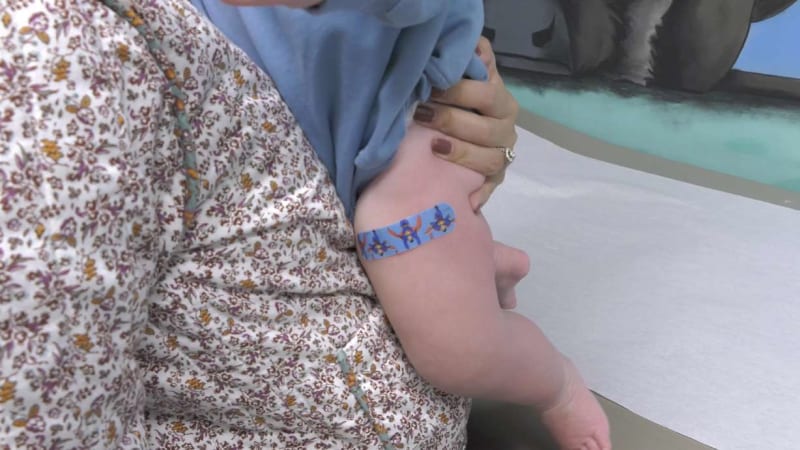
They launched campaigns to reach families three ways. Pregnant women can get vaccinated in their third trimester, passing immunity to their babies within two weeks. Newborns born during RSV season can receive protective antibodies right after birth. Babies born outside RSV season between April and September can visit their pediatrician for protection before winter arrives.
The results speak volumes. Twice as many expecting mothers are now choosing to get vaccinated before their babies arrive. Utah now leads the entire nation in RSV protection for infants.
The Ripple Effect
The impact reaches far beyond individual families. When intensive care units aren't overwhelmed with RSV cases, hospitals can care for other sick children who previously had to be turned away. The entire healthcare system functions better when preventable illnesses are actually prevented.
Carolyn Reynolds, executive director of the ambulatory clinical program at Intermountain Children's Health, says every parent she meets understands the fear of RSV. Mothers have watched friends' babies suffer through it, and the anxiety is real. That shared understanding made families willing to embrace the vaccine quickly.
The science backs up what doctors are seeing. National studies confirm the vaccines are both safe and effective, and Intermountain's own data shows the dramatic difference in their community. For babies who do still end up hospitalized despite vaccination, the severity is typically much less.
RSV causes bronchiolitis in infants, making breathing and eating incredibly difficult. A severe case can disrupt development and create lasting problems with breastfeeding. The vaccine prevents not just hospitalizations, but the ripple of complications that can follow.
For families with babies born outside RSV season, Reynolds has simple advice: call your pediatrician if you haven't heard from them yet. One shot could be the difference between a healthy winter and a terrifying hospital stay.
Sometimes medical breakthroughs take decades to reach the patients who need them most, but Utah proved that when the stakes are high enough, we can move faster to protect our most vulnerable.
More Images



Based on reporting by Google News - Health
This story was written by BrightWire based on verified news reports.
Spread the positivity! 🌟
Share this good news with someone who needs it