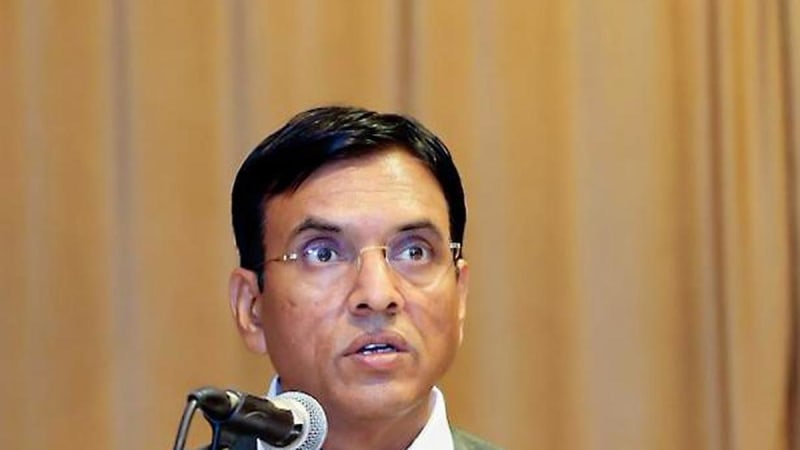
Varanasi IAS Officer Revives Water Table With 1,000 Roofs
A 27-year-old officer in India solved two problems at once by turning school rooftops into rainwater collectors, reviving a dying river and reducing disease. Nearly 1,000 public buildings now recharge groundwater while fixing campus flooding.
When IAS officer Himanshu Nagpal noticed companies illegally pumping groundwater in Varanasi while schools flooded during monsoons, he saw one elegant solution to both problems.
The 27-year-old chief development officer discovered that only 30 companies were getting permits for groundwater extraction each year, despite evidence of 700 new borewells being drilled annually. Companies were supposed to install rainwater harvesting systems to replenish the water they extracted, but hardly anyone followed through.
After sealing 150 illegal borewells and cutting their power, Nagpal received 800 permit applications almost overnight. The companies complained they lacked space for rainwater harvesting systems on their own properties.
Meanwhile, local schools and colleges were battling a different water problem. Their campuses turned into lakes every monsoon, with nowhere for the water to go.
Nagpal connected the dots. He proposed that companies fulfill their legal obligation by installing rooftop rainwater harvesting systems on public buildings instead of their own properties. The arrangement solved waterlogging on campuses while giving companies the space they needed.
Today, 1,000 public buildings across Varanasi, including schools, hospitals, and government offices, capture rainwater through their roofs and funnel it back into underground aquifers. About 70 percent of government buildings now participate in the program.
But Nagpal didn't stop at rooftops. He launched a comprehensive water revival campaign that built 393 artificial ponds across one-acre plots, with 50 more under construction.
His team also rescued the Nad River, which had deteriorated into a polluted drain after years of industrial waste. They cleaned a 30-kilometer stretch and added ponds and check dams along its path.
The once-dying river now provides clean water for irrigation and drinking across 39 village councils. Waterborne diseases in the area have dropped significantly since the river's revival.
The project also installed water-soak pits around 6,000 hand pumps throughout the district. The pits capture excess water and let it filter back into the ground instead of running off the surface.
The Ripple Effect
Nagpal's water table rejuvenation shows how creative enforcement can multiply benefits. By making companies contribute to public infrastructure instead of just their own properties, he transformed scattered compliance into community-wide change. The collaboration between private businesses, village councils, and NREGA workers created a model that other water-stressed districts could follow. Schools got dry campuses, companies met legal requirements, and the entire region gained a more secure water future.
The comprehensive approach is already bearing fruit as water availability improves across Varanasi, proving that sometimes the biggest environmental challenges need solutions that think beyond traditional boundaries.
More Images

%2Fenglish-betterindia%2Fmedia%2Fpost_attachments%2Fuploads%2F2024%2F07%2F30-1721645253.jpg)

%2Fenglish-betterindia%2Fmedia%2Fpost_attachments%2Fuploads%2F2024%2F07%2Fvaranasi-1721270245.jpg)
Based on reporting by The Better India
This story was written by BrightWire based on verified news reports.
Spread the positivity! 🌟
Share this good news with someone who needs it