Virginia Clears Path for Solar Farms After Years of Delays
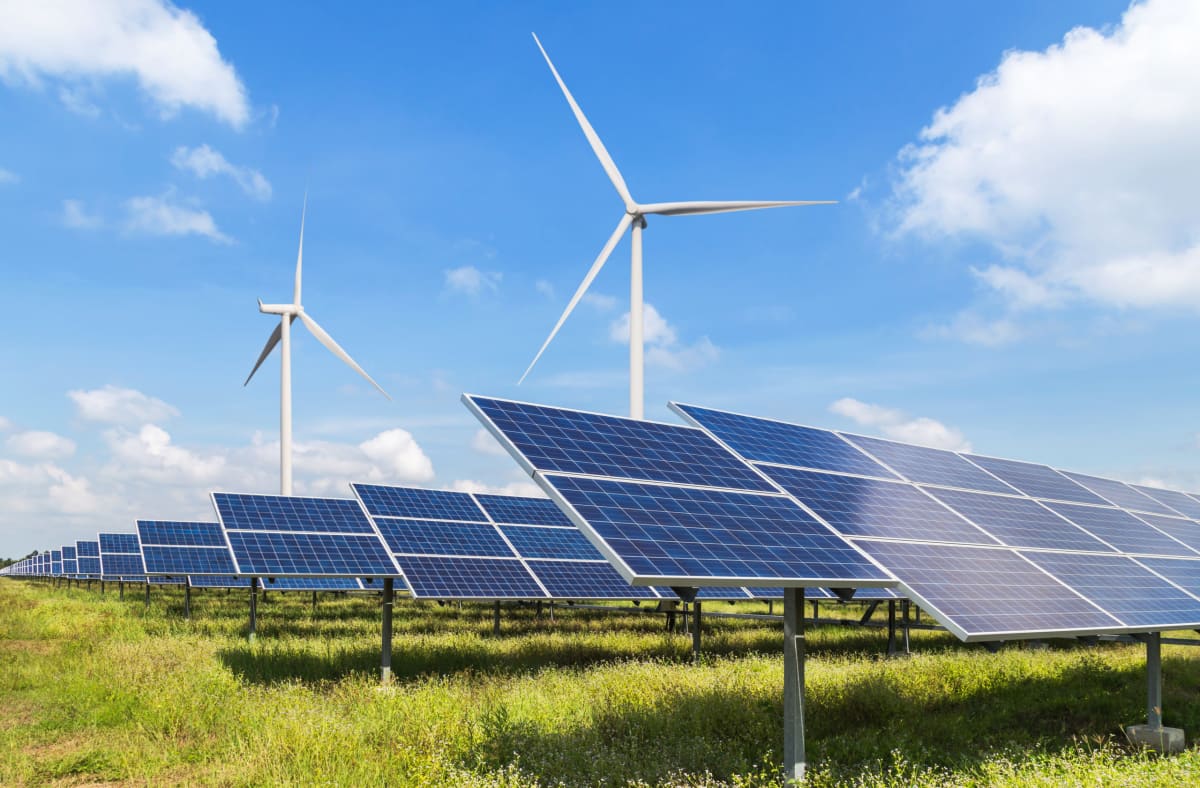
Virginia's legislature just passed groundbreaking solar siting reforms that balance clean energy goals with rural community concerns. After years of failed attempts and rising project rejections, the state is finally creating a framework that lets solar projects move forward while protecting local interests.
Virginia lawmakers just broke through years of gridlock to pass legislation that could reshape how America's data center capital powers its future.
The Virginia House and Senate both passed bills this month that prevent local governments from outright banning solar projects while spelling out clear site requirements to address community concerns. The votes came after similar efforts failed repeatedly in recent years due to opposition from rural counties and farming communities.
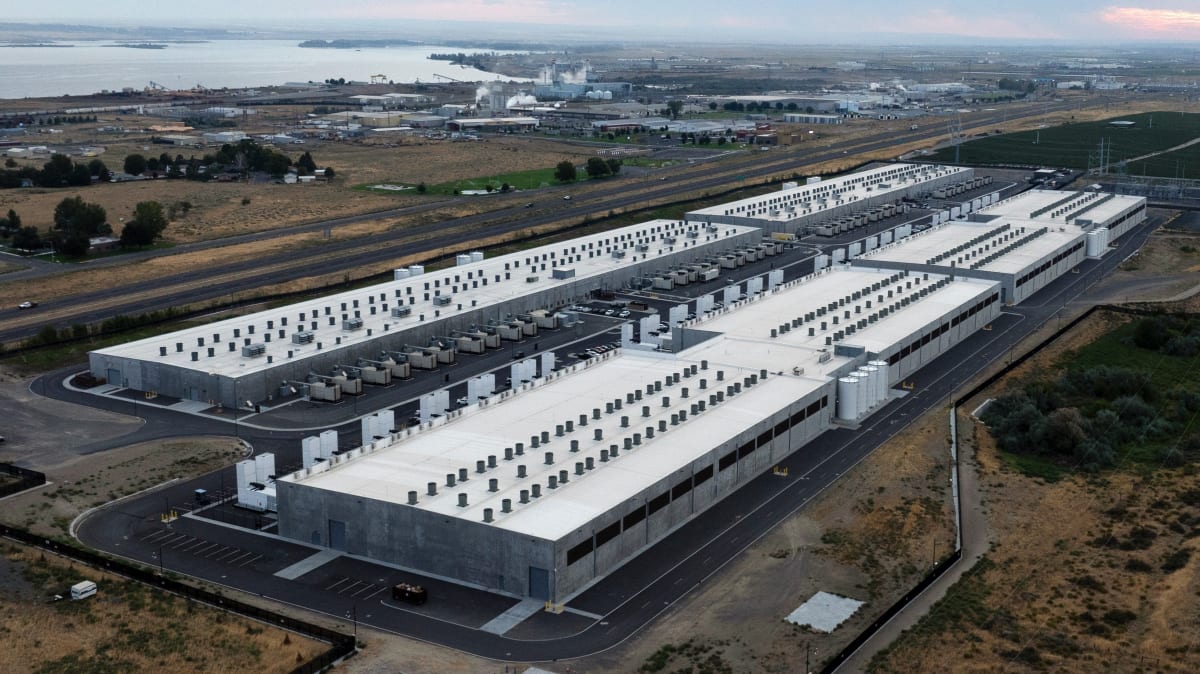
The timing couldn't be more critical. Virginia hosts more data centers than anywhere else on Earth, and electricity demand is exploding. Dominion Energy expects peak demand to jump from 25 gigawatts last year to 40 gigawatts by 2035. That's nearly triple the power used by every household in the state.
But solar development hit a wall over the past two years. In 2022, local governments approved 74 percent of proposed solar projects. By 2024, that dropped to just 51 percent as rural residents pushed back against arrays filling their farmland and blocking scenic views.
Some of those concerns proved valid. Solar company Energix caused erosion and water pollution problems in four Virginia counties through poor stormwater management. Meanwhile, farmers worried about losing agricultural land at a time when profits are shrinking and younger generations are abandoning farming.
The stalemate threatened Virginia's climate goals. The state's 2020 Clean Economy Act aims to build 16.1 gigawatts of solar by 2035 and fully decarbonize the grid by mid-century. Meeting those targets requires finding space for large solar installations, typically in rural areas with flat, cheap land and grid capacity.
The Bright Side
The new legislation doesn't force projects on unwilling communities. Local governments keep final approval authority over individual proposals. The bills simply establish baseline standards so communities can evaluate projects on their merits rather than blocking solar through blanket bans.
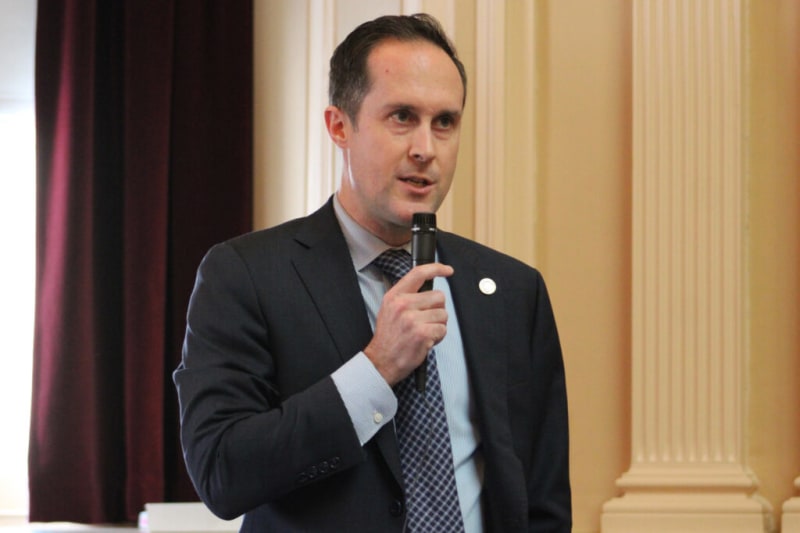
Senator Schuyler VanValkenburg says the reform "creates a better conversation, less about ideology and more about merits of individual projects." House Majority Leader Charniele Herring calls it essential for reforming the state's renewable energy process.
Democrats regained full control of Virginia's government in November, giving them the legislative power to advance clean energy priorities alongside economic development needs. Governor Abigail Spanberger, a moderate who supports both solar development and rural interests, is expected to sign the bills into law by mid-March.
Solar remains the cheapest form of electricity and produces no air pollution or climate-warming emissions. With Virginia's energy needs skyrocketing, finding a path forward for clean power helps everyone who flips a light switch or streams a video stored in those massive data centers.
The legislation proves that renewable energy and rural communities don't have to be at odds when everyone gets a seat at the table.
Based on reporting by Inside Climate News
This story was written by BrightWire based on verified news reports.
Spread the positivity!
Share this good news with someone who needs it