Virtual Reality Therapy Puts You on a Beach to Open Up
Talking about tough stuff feels easier in virtual reality, especially when your therapist's avatar meets you on a virtual beach. New research shows nature-based VR environments make people more comfortable sharing personal experiences than traditional video calls.
Opening up about mental health struggles is hard enough without worrying about being judged, but what if you could have that conversation on a peaceful virtual beach instead of a sterile office?
Researchers at Edith Cowan University in Australia just discovered something surprising about virtual reality therapy. The environment you choose inside VR can make a real difference in how comfortable people feel discussing personal experiences.
Dr. Shane Rogers led two studies comparing how people shared personal information across different platforms. While video chat remained the most popular option overall, about 20% of participants actually preferred VR for discussing their experiences. The sense of anonymity offered by avatars helped them feel more relaxed during difficult conversations.
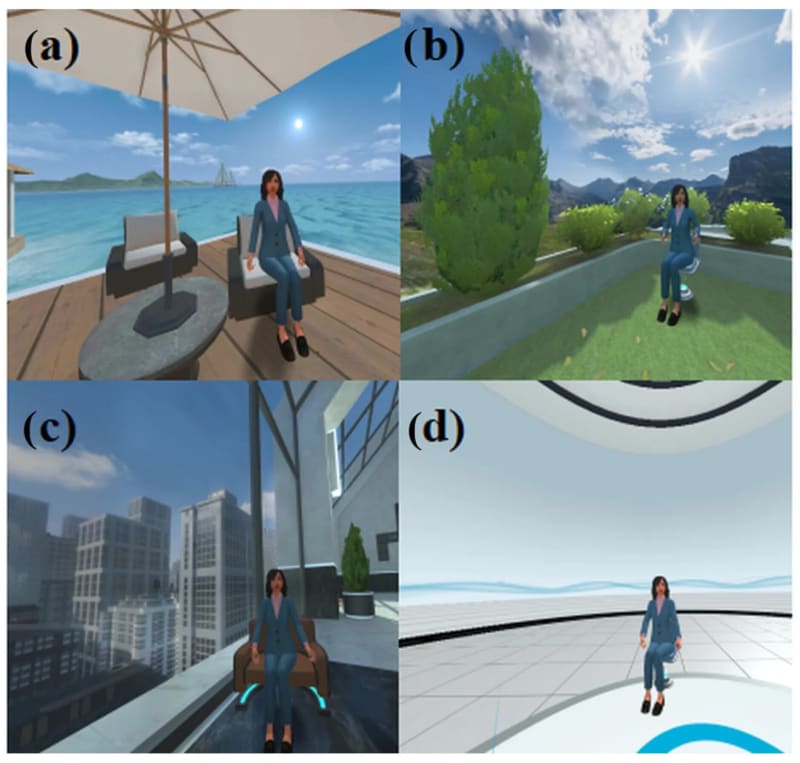
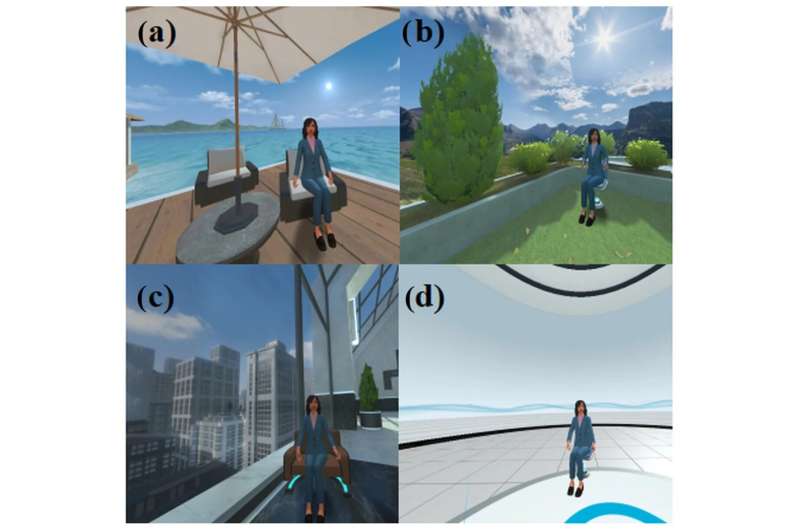
The second study revealed something even more interesting. Researchers tested four virtual environments: a seaside setting, a garden, an urban office, and a futuristic sci-fi space. People consistently rated the nature-based environments as more comfortable and calming for therapeutic conversations.
"We found that natural VR environments, especially coastal or garden settings, helped people feel more at ease when talking about personal experiences," Dr. Rogers explained. The calming effect of virtual nature combined with avatar anonymity created a sweet spot for self-disclosure.
VR matched video chat for feelings of calmness and presence during conversations. That matters because many people struggle to access traditional face-to-face therapy due to location, cost, or scheduling conflicts.
Why This Inspires
This research opens doors for people who've felt blocked from getting mental health support. Some folks freeze up in traditional therapy settings or feel uncomfortable showing their face on video calls. VR offers a middle ground that maintains human connection while providing psychological safety.
The findings also show how thoughtful design can amplify healing. Choosing a virtual garden or beach over a bland office setting isn't just aesthetic preference. It actively helps people feel safer and more willing to be vulnerable.
As VR technology becomes more affordable and accessible, this could transform telehealth. People in rural areas, those with mobility challenges, or anyone who feels more comfortable with a layer of anonymity could access quality mental health support from their living room.
The research proves VR isn't just a gimmick but a genuine tool that could expand the mental health toolkit and reach people traditional methods miss.
More Images

Based on reporting by Medical Xpress
This story was written by BrightWire based on verified news reports.
Spread the positivity! 🌟
Share this good news with someone who needs it


