Wildlife Center Saves Animals From Western Cape Fires
A year-old rescue center in South Africa's Western Cape is treating animals injured in devastating wildfires, from burned tortoises to orphaned genets. Run mostly by volunteers and funded by donations, the Kogelberg center is giving wildlife a second chance after fires that kill thousands.
When wildfires tore through South Africa's Western Cape, they left behind more than charred landscapes. They left survivors needing help.
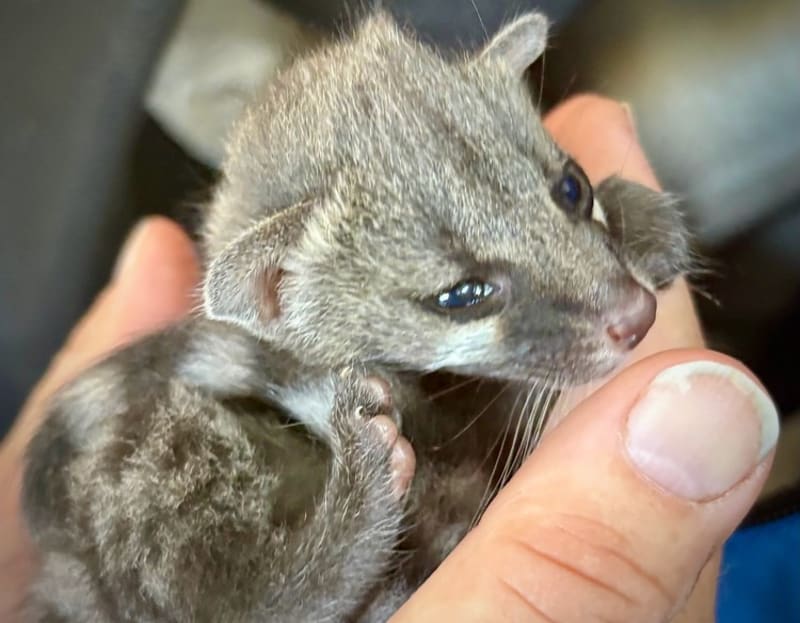
The Kogelberg Biosphere Wildlife Rescue and Training Centre has become a lifeline for animals caught in the flames. A grass snake receives antiseptic cream for burns. An orphaned baby genet, small enough to fit in a palm, gets round-the-clock care. A tortoise with a charred shell waits in treatment, its caretakers hopeful it will recover.
Co-founder Michelle Watson knows the reality is grim. The fynbos fires burn so hot and fast that most animals don't survive. Smoke inhalation slows them down first, then the flames hit. "I am almost thankful that they don't suffer for long," she says.
Hundreds, possibly thousands, of animals have died in recent fires. Bat-eared foxes, mongooses, genets, caracals, porcupines, and even South Africa's endangered national bird, the blue crane, have perished. The cranes are particularly vulnerable because they nest during fire season, leaving chicks grounded and unable to escape.
The center opened just a year ago after the 2022 Kleinmond wildfires, and it's already proven essential. Watson, an accredited wildlife rehabilitator, runs what she calls "a hospital for animals" with CEO Corlie Hugo. Their mission is simple: treat, rehabilitate, and release back into the wild.
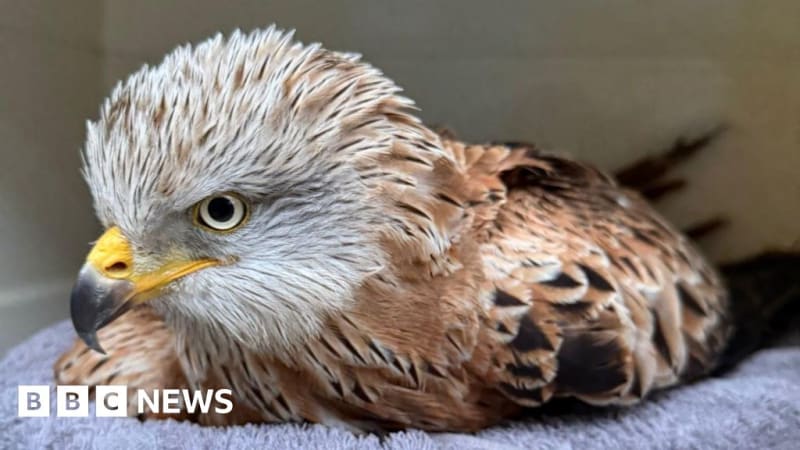
The small white building between Pringle Bay and Betty's Bay contains an emergency clinic, recovery room for burn victims, and a kitchen. Outside, netted enclosures give injured birds space to rebuild their flying strength. A jackal buzzard hit by a car stretches its wings alongside young cranes and owls learning to hunt again.
The center runs entirely on donations and volunteer power. Watson and her team also teach monthly workshops for learners and volunteer wildlife responders, spreading knowledge about proper rescue techniques.
The Ripple Effect
The center's impact extends beyond individual animals. By training community members in wildlife rescue, they're building a network of informed responders across the region. When well-meaning people find a burned tortoise, they now know to pour water over it immediately, keep it cold with wet towels, and mark its GPS location for eventual release within a 10-kilometer radius.
The owls in care demonstrate the center's patient approach to rewilding. They're fed but allowed to hunt at night. If they catch nothing, they return for food. Slowly, instinct takes over. Ten owls became five as they chose freedom. Now those five are learning the same lesson.
Fire breaks and sprinkler systems protect the center itself from the wildfires that threaten everything around it. The irony isn't lost on anyone: a wildlife rescue center in constant danger from the very disasters it treats.
In a landscape where ants survive by digging deep and most other creatures perish, this small center represents something powerful: humans choosing to dig deep too, to save what the flames tried to take.
Based on reporting by Google News - Wildlife Recovery
This story was written by BrightWire based on verified news reports.
Spread the positivity! 🌟
Share this good news with someone who needs it