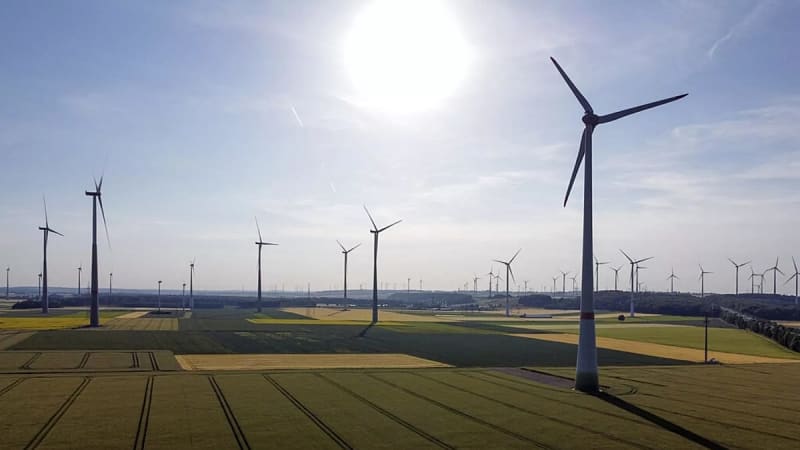
Wind Power Saves Europe €59B in Fossil Fuel Costs
Wind and solar energy now provide nearly half of Europe's electricity, helping the continent avoid €59 billion in fossil fuel imports over five years. Countries are discovering that homegrown wind power offers the trifecta of energy security, affordability, and sustainability when global markets turn volatile.
When Russia invaded Ukraine in 2022, European gas prices exploded overnight and countries scrambled for alternatives. But nations that had invested in wind energy found themselves cushioned from the worst shocks, with stable electricity prices powered by turbines spinning on their own soil.
Wind and solar now generate nearly half of the EU's electricity. Over the past five years, this shift has saved Europe an estimated €59 billion in fossil fuel imports while strengthening energy independence across the continent.
The resilience shows up in unexpected places. Ukraine, despite severe attacks on its energy infrastructure, is expanding wind capacity to support its recovery. The Tyligulska wind farm project will soon become the country's largest at 498 megawatts, providing reliable, low-cost energy that officials say will drive long-term growth.
Germany offers another success story. By streamlining wind permitting processes in 2024, the country increased approvals by 85% and lowered power prices by nearly 18% year-over-year.
The Ripple Effect
Wind energy's growth is creating tangible opportunities across communities. In 2024, the European wind industry employed over 370,000 people in jobs ranging from manufacturing to turbine maintenance, providing stable careers that support local economies.
The technology keeps improving too. Battery storage and hybrid systems are making wind power more reliable and often cheaper than new coal, fossil, or nuclear capacity. Countries aren't choosing between energy sources but rather investing in what renews naturally.
Infrastructure challenges remain, particularly around grid modernization and permitting delays. Hundreds of gigawatts of wind projects currently sit in approval processes that average five to seven years in Europe. But momentum is building as more nations recognize that upgrading energy systems isn't just about cost but about securing independence and driving economic growth.
The lesson from the 1970s oil crisis still holds: overreliance on foreign energy suppliers carries real risks. Today's answer looks different than it did 50 years ago, with mature wind technology ready to deploy at scale. Countries that act decisively on streamlined permitting, infrastructure investment, and industrial policy are positioning themselves for a future of stable, affordable, homegrown energy.
The path forward combines what works with what lasts.
More Images


Based on reporting by Google News - Wind Energy
This story was written by BrightWire based on verified news reports.
Spread the positivity! 🌟
Share this good news with someone who needs it