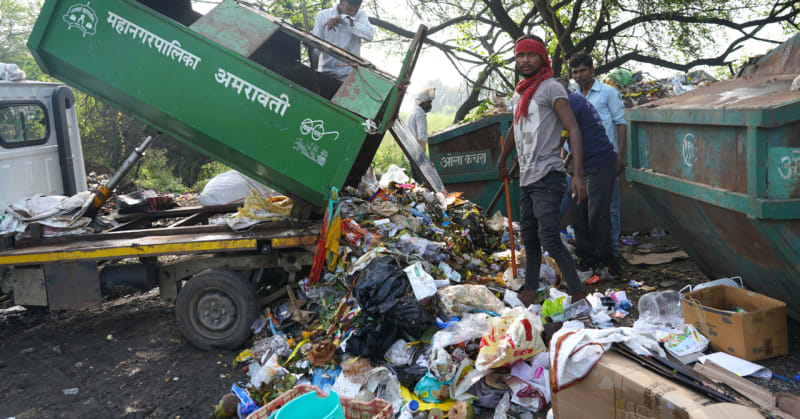
Zero-Waste Heroes: 3 Simple Steps to Transform Your Home's Trash Management
Discover how easy waste segregation can protect our environment and create cleaner communities. Learn practical tips that turn household waste from a problem into a solution.
Every household generates waste, but not every household knows how to transform that waste into an opportunity for environmental stewardship.
Managing household trash isn't just about throwing things away—it's about understanding where those items truly belong and their potential impact on our planet.
%2Ffilters%3Aformat(webp)%2Fenglish-betterindia%2Fmedia%2Fmedia_files%2F2025%2F12%2F30%2Fhousehold-waste-segregation-2025-12-30-12-37-54.png)
Waste segregation is a powerful tool that can dramatically reduce environmental harm. By separating different types of waste, we can ensure recyclables get processed, organic materials get composted, and potentially toxic items are handled safely.
Experts recommend focusing on three primary waste categories: biodegradable (wet waste), recyclables (dry waste), and special handling materials. Each category requires a unique approach to maximize its potential and minimize environmental damage.
Biodegradable waste, which includes food scraps, vegetable peels, and garden trimmings, can be transformed into nutrient-rich compost. These materials naturally break down and can feed gardens, reducing landfill contributions and creating a circular resource system.
%2Ffilters%3Aformat(webp)%2Fenglish-betterindia%2Fmedia%2Fmedia_files%2F2025%2F12%2F30%2Fhousehold-waste-segregation-2025-12-30-12-44-20.png)
Recyclable materials like paper, certain plastics, and metal containers offer another opportunity for responsible disposal. By carefully sorting these items and checking local recycling guidelines, households can ensure these materials get a second life instead of becoming environmental burden.
Special handling waste—including electronics, batteries, and chemical products—demands extra attention. These items can release toxic substances if improperly discarded, potentially contaminating soil and water supplies. Local waste management centers often provide specialized collection services for these materials.
%2Ffilters%3Aformat(webp)%2Fenglish-betterindia%2Fmedia%2Fmedia_files%2F2025%2F12%2F30%2Fhousehold-waste-segregation-2025-12-30-12-52-03.png)
The key to successful waste management is developing a simple, consistent system. Start by creating clearly labeled bins, educating family members about proper sorting, and staying informed about local recycling requirements. Small, deliberate actions can create significant positive environmental impact.
By embracing these waste segregation strategies, we can transform our homes from waste producers to environmental champions, one thoughtfully sorted item at a time.
Based on reporting by The Better India
This story was written by BrightWire based on verified news reports.
Spread the positivity! 🌟
Share this good news with someone who needs it
More Good News
 💡 Solutions
How Turning Food Waste into Animal Feed Could Transform Nigeria's Environment
 💡 Solutions
Mount Everest's Waste Challenge: Nepal Pivots to New Environmental Strategy
 💡 Solutions