Tesla's Texas Lithium Refinery Now Making Battery Materials
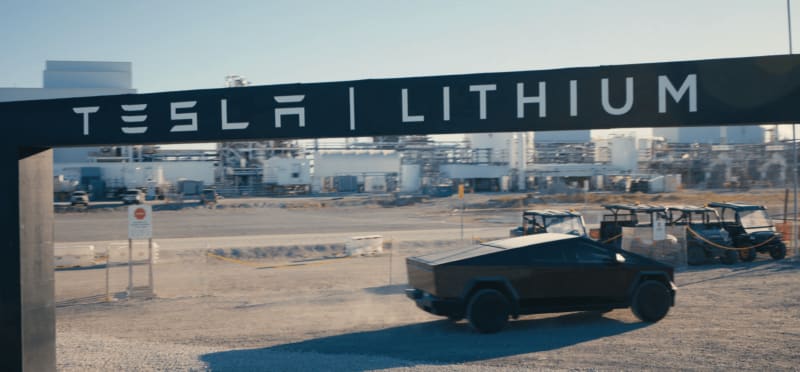
Tesla just fired up North America's first rock-to-battery lithium refinery in Texas, turning two years of construction into a supply chain breakthrough. The facility is already producing battery-grade materials using a cleaner process that turns waste into concrete ingredients.
📺 Watch the full story above
A massive industrial project that typically takes a decade just went from dirt to production in roughly two years, and it could reshape how America builds electric vehicles.
Tesla's new lithium refinery in Corpus Christi, Texas, is now operational and processing raw ore into battery-grade lithium hydroxide. The facility represents the first spodumene-to-lithium-hydroxide refinery in North America, marking a major shift in how the continent sources critical EV materials.
For years, industry experts pointed to lithium refining as a major bottleneck holding back electric vehicle production. While lithium ore exists in abundance, the specialized facilities needed to turn rock into usable battery materials were scarce, especially in North America.
Tesla broke ground on the Texas facility in 2023 with an ambitious timeline. Site Manager Jason Bevan confirmed the plant ran its first rock through the kiln in 2024 and achieved full integrated startup in early 2025.
The company pulled off the rapid timeline by running feasibility studies, design work, and construction simultaneously instead of following the traditional stage-gate process that often adds years to industrial projects.
The Bright Side
What makes this refinery particularly exciting isn't just the speed but the process itself. Traditional lithium refining often uses harsh acids that create hazardous waste products requiring careful disposal.
Tesla's approach uses hard rock ore called spodumene instead of brine. The ore runs through a kiln and cooler, then goes through an acid-free alkaline leach process before crystallization produces the final battery-grade material.
The waste byproduct consists mainly of sand and limestone compounds that are already being used in concrete mixes. Essentially, the refinery turns mining waste into construction materials instead of creating environmental headaches.
The timing brings both challenges and opportunities. Lithium prices have dropped significantly since the project was announced, which might have dampened the initial economic projections. However, recent months have seen prices spike again, potentially making the facility more valuable to Tesla's supply chain than anticipated.
The refinery positions North America to produce more of its own battery materials domestically instead of relying heavily on imports. For an industry racing to scale up electric vehicle production, having local access to refined lithium could accelerate manufacturing timelines and reduce supply chain vulnerabilities.
Tesla now controls another piece of its vertical integration puzzle, from raw materials to finished vehicles rolling off assembly lines.
More Images


Based on reporting by Electrek
This story was written by BrightWire based on verified news reports.
Spread the positivity! 🌟
Share this good news with someone who needs it