1 in 5 Australians Now Live in Multi-Generational Homes
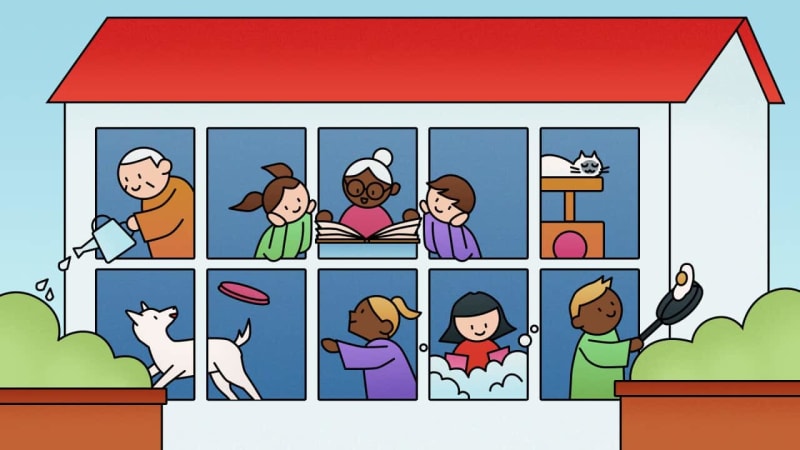
Australians are rediscovering the joy of living with extended family, driven not just by rising house prices but by a desire to care for aging parents and share precious time with grandchildren. The trend is reshaping how we think about family, home, and growing old together.
Kim hadn't planned to move back in with his parents at age 44, but now he's excited about it.
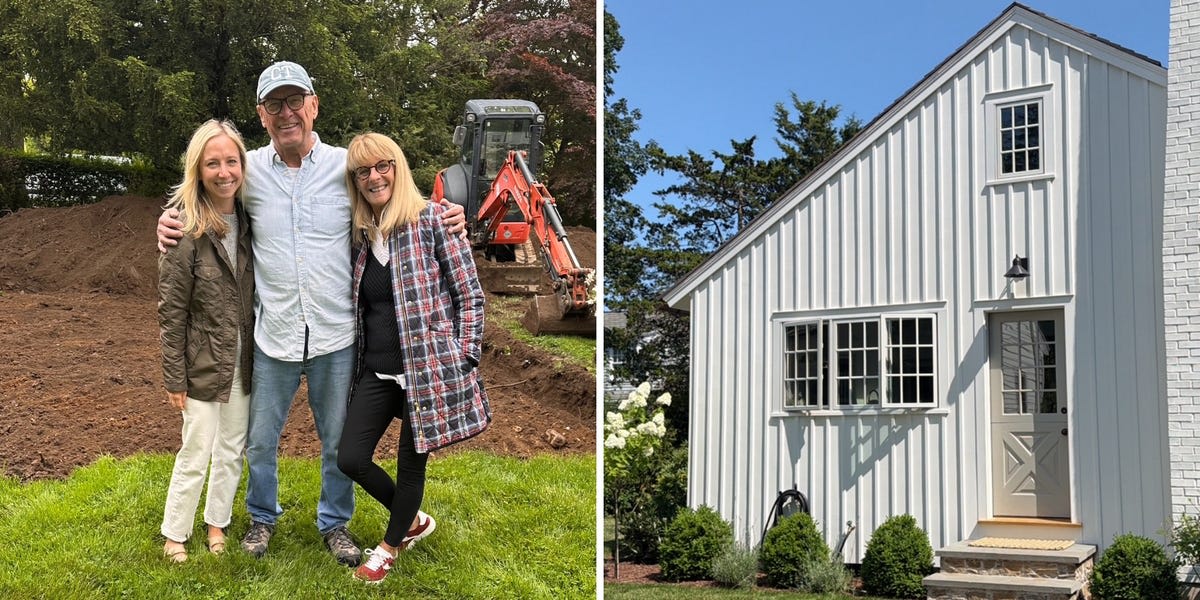
This June, the freelance journalist will move into a large property with his girlfriend, parents, and younger sister who lives with disabilities. For Kim, it's about more than just saving money in a tough housing market.
"This would kind of give us more security so that as my parents' health might deteriorate as they get older, we kind of have the logistics in place," he told Australian broadcaster SBS. His mom particularly dislikes the idea of an aged care facility, and living together meets their emotional needs.
Kim isn't alone. One in five Australians now live in multi-generational households, according to Dr. Edgar Liu from UNSW City Futures Research Centre. For city dwellers, that number jumps to one in four.
The Australian Bureau of Statistics projects these numbers will grow significantly by 2046. While Sydney house prices have hit $1.7 million, Liu's research shows finances are only part of the story.
Half of families cited costs as a factor, but many talked more about the prohibitive price of childcare, aged care, and disability care. Fears about the aged care sector also drive families to take on care roles at home.
The arrangement creates unexpected benefits beyond cost savings. Josh, who lives with his wife, daughter, and 78-year-old father on the Gold Coast, says watching their relationship bloom has been heartening.
"It's a different generation. They have different thoughts on things," the 42-year-old said. His daughter gets fresh perspective on the world, while his father stays mentally sharp.
Recent research from the Netherlands found grandparents who care for grandchildren score higher on memory and verbal fluency tests. The cognitive benefits of active grandparenting are real and measurable.
Sunny's Take
Amanda has lived with her parents in Tamborine for over a decade, raising her two children in the upstairs portion while her parents live separately below. Despite some noise issues and training her kids to walk softly, she calls it "mutually beneficial."
These families are pioneering a return to traditional living that feels surprisingly modern. They're proving that home isn't just about square footage or property values.
It's about creating space for the people we love, watching generations connect, and ensuring nobody faces aging alone. As housing costs soar and aged care concerns grow, more Australians are finding the best solution was always close to home.
More Images

Based on reporting by SBS Australia
This story was written by BrightWire based on verified news reports.
Spread the positivity!
Share this good news with someone who needs it