10 African Nations Unite to Eliminate Malaria by 2030
Health leaders from across Africa just pledged to work together to eliminate malaria and tropical diseases that affect over a billion people worldwide. Despite funding challenges, countries are sharing resources and coordinating care across borders to protect the most vulnerable.
Ten African nations gathered at the World Health Assembly in May with a powerful commitment: eliminate malaria and neglected tropical diseases through unprecedented cooperation across borders.
The stakes couldn't be higher. Malaria still affects 282 million people each year and causes 610,000 deaths, mostly children and pregnant women. Meanwhile, nearly one billion people globally battle neglected tropical diseases that often go overlooked by the international community.
But here's the exciting part: the strategy is already working. Since 2000, coordinated global efforts have prevented 2.3 billion malaria cases and 14 million deaths worldwide. The number of people needing treatment for neglected tropical diseases has dropped from 2.2 billion in 2010 to 1.4 billion today.
Sixty-three countries have now eliminated at least one neglected tropical disease. Forty-seven countries have been certified malaria-free over the past 70 years, and 37 countries reported fewer than 1,000 malaria cases in 2024 alone.
Representatives from Liberia, Senegal, Tanzania, and seven other nations met alongside leaders from the African Union Commission, the World Health Organization, and major global health organizations. Their mission: strengthen the cross-border cooperation that makes disease elimination possible.
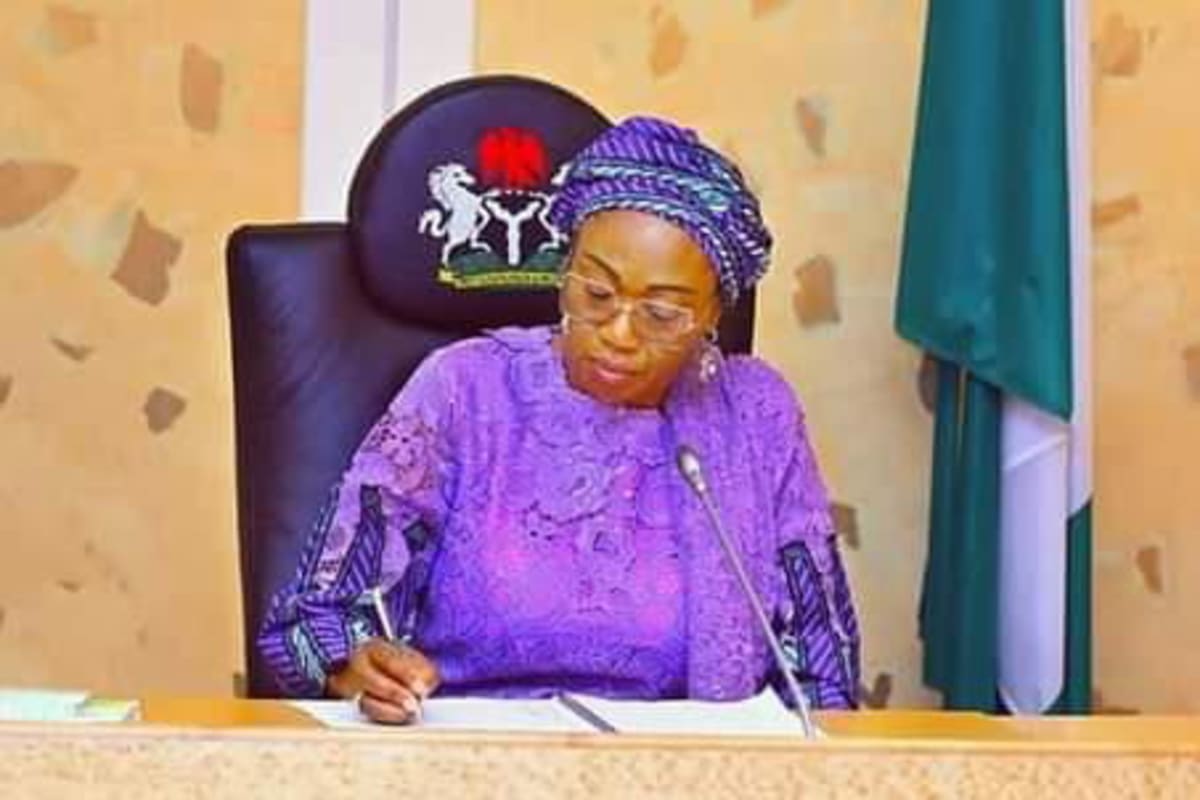
Dr. Ibrahima Sy, Senegal's Minister of Health, emphasized why working together matters so much. Diseases don't respect borders, and neither can the solutions. When people migrate for work or climate change displaces communities, mosquitoes and parasites travel with them.
Border communities face the toughest challenges with limited healthcare access and weak disease surveillance. If neighboring countries don't coordinate their prevention efforts, progress in one nation can quickly unravel when infected mosquitoes cross invisible lines on a map.
The Ripple Effect
This collaboration extends far beyond stopping individual infections. By combining malaria and tropical disease services within broader healthcare systems, countries are building stronger medical infrastructure that helps everyone. Shared resources mean better trained healthcare workers, improved disease surveillance, and more efficient treatment programs.
The partnership is also addressing emerging threats together: drug resistance, climate change impacts, and healthcare worker shortages. Countries are pooling their domestic resources and knowledge, becoming less dependent on international funding that has recently declined.
The 2030 goals are ambitious but achievable: a 90 percent reduction in malaria cases and deaths, elimination of malaria in at least 35 countries, and elimination of at least one neglected tropical disease in 100 countries. These ten African nations just showed the world that cooperation makes impossible goals possible.
Based on reporting by Google: cooperation international
This story was written by BrightWire based on verified news reports.
Spread the positivity!
Share this good news with someone who needs it