10 Animals Saved from Extinction Prove Conservation Works
Once down to just 22 birds, California condors now number over 500 in the wild thanks to captive breeding programs. From pandas to blue whales, these remarkable comebacks show what focused conservation can achieve.
📺 Watch the full story above
California condors nearly vanished in 1987 when only 22 birds remained, yet today over 500 soar through protected skies. Their stunning recovery joins nine other species that dodged extinction through breeding programs, habitat protection, and dedicated rangers who refused to give up.
Arabian oryx disappeared completely from the wild by 1972 after poachers hunted them for their distinctive horns. Operation Oryx bred them in captivity across the Arabian Peninsula, then released over 1,000 into protected reserves where they now graze safely in Oman and Saudi Arabia.
Southern white rhinoceros populations crashed to fewer than 100 around 1900 from relentless hunting. Anti-poaching patrols and vast reserves in South Africa grew their numbers to about 18,000, with rangers tracking them daily while fences keep intruders out.
American alligators nearly disappeared by the 1960s as hunters sought their skins and meat. U.S. Endangered Species Act protections let nests recover in Southeastern swamps, and now millions thrive there, naturally controlling prey populations.
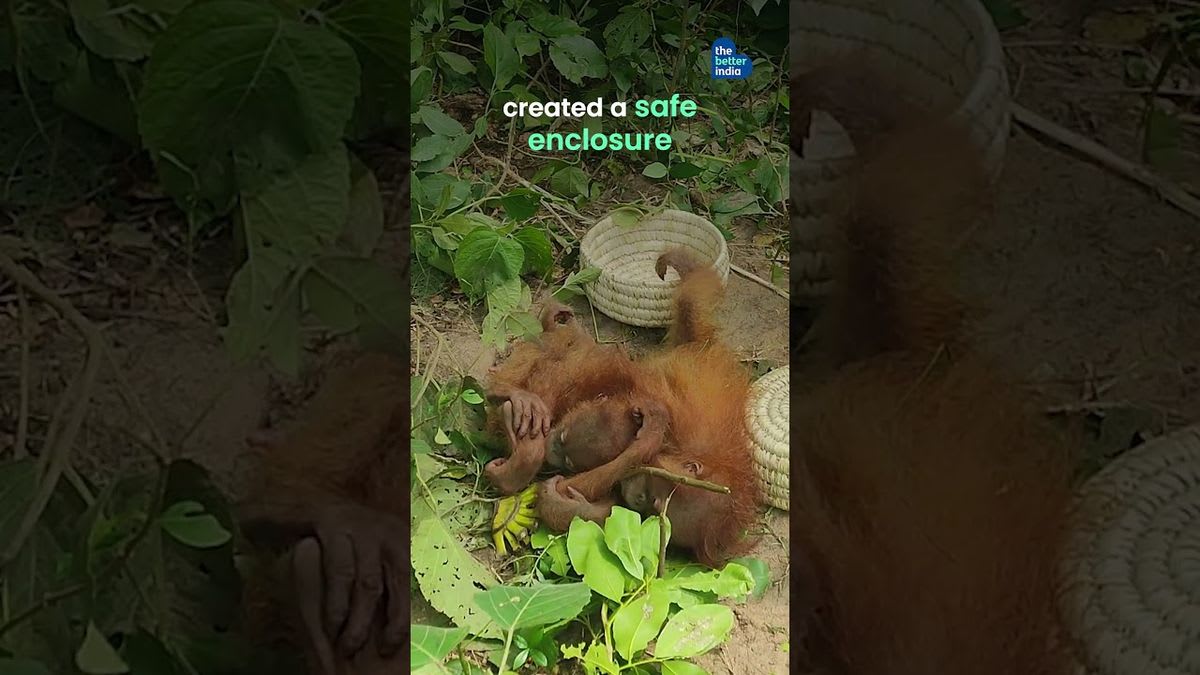
Hawaiian monk seals rebounded from just hundreds to over 1,400 thanks to marine sanctuaries and beach cleanup efforts. New Zealand's flightless kakapo parrot climbed from below 50 to 250 birds after teams moved them to rat-free islands and hand-fed chicks with supplements.
Blue whales suffered devastating losses from post-World War II whaling that reduced their population to a few thousand. International bans since 1966 allowed a slow recovery to around 10,000 to 25,000, with acoustic monitoring now tracking their songs across oceans.
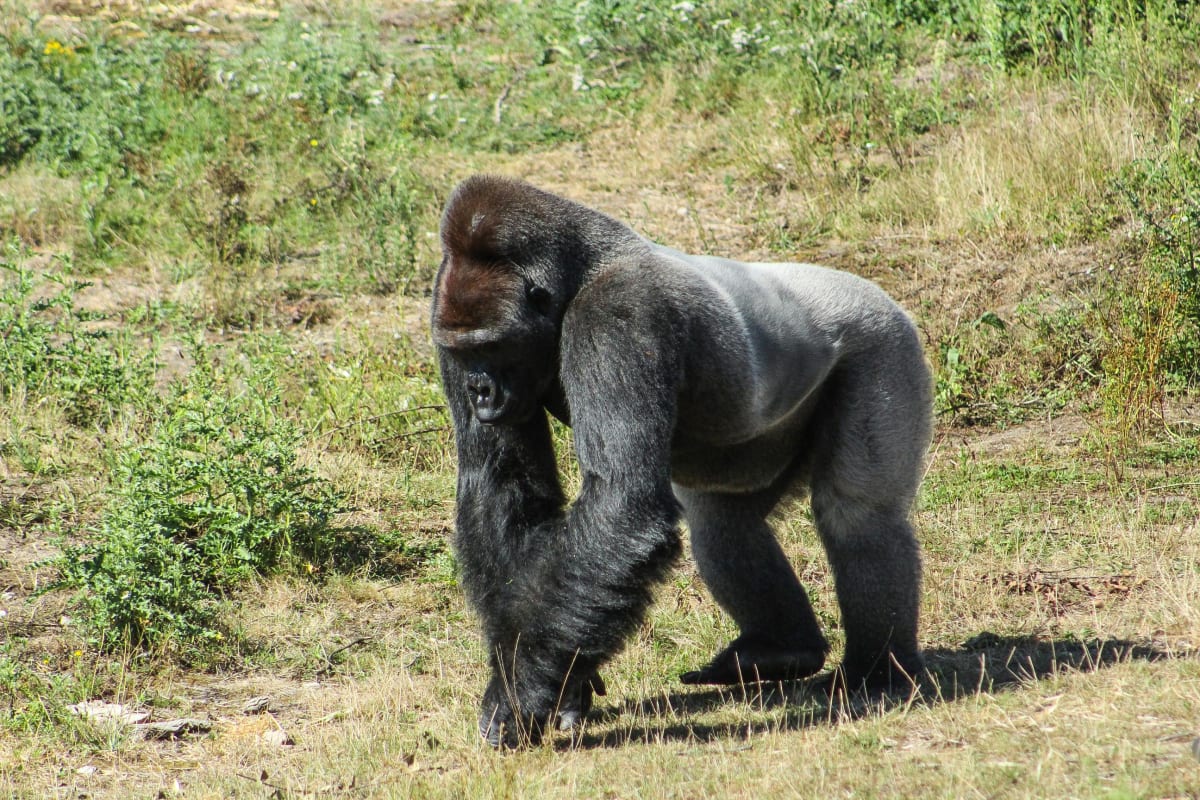
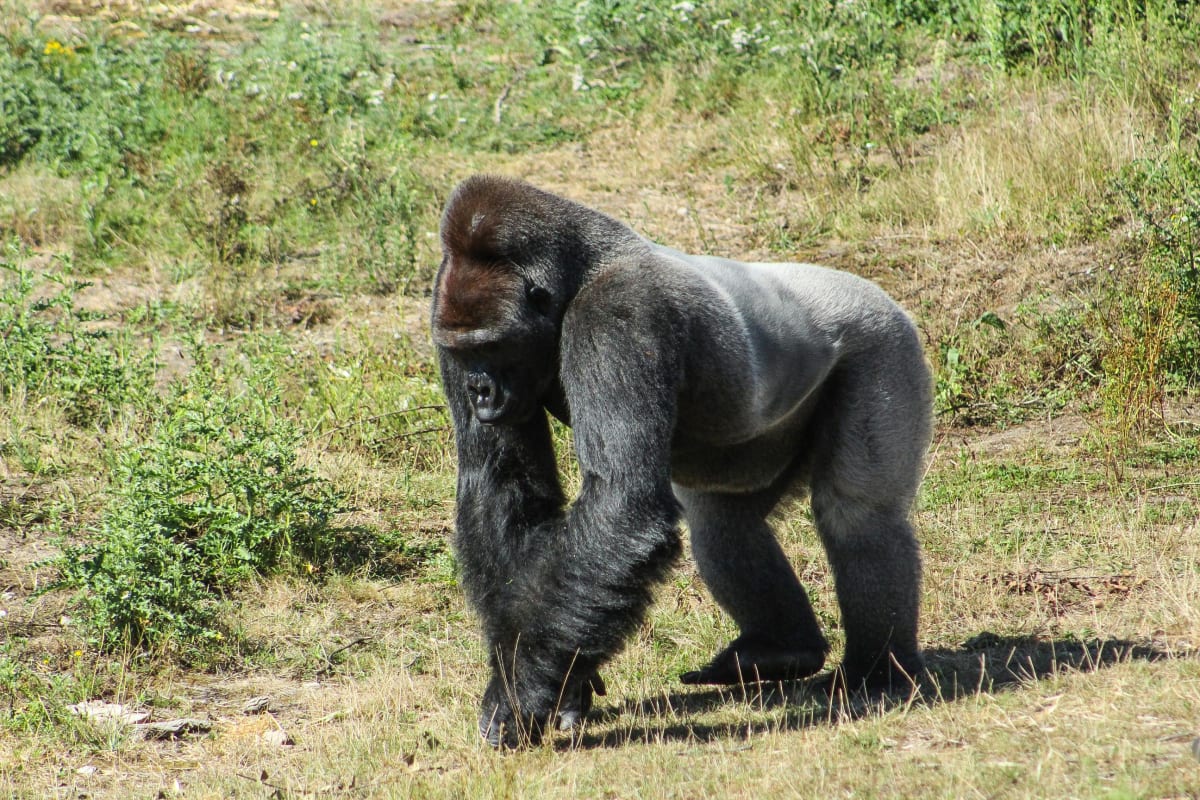
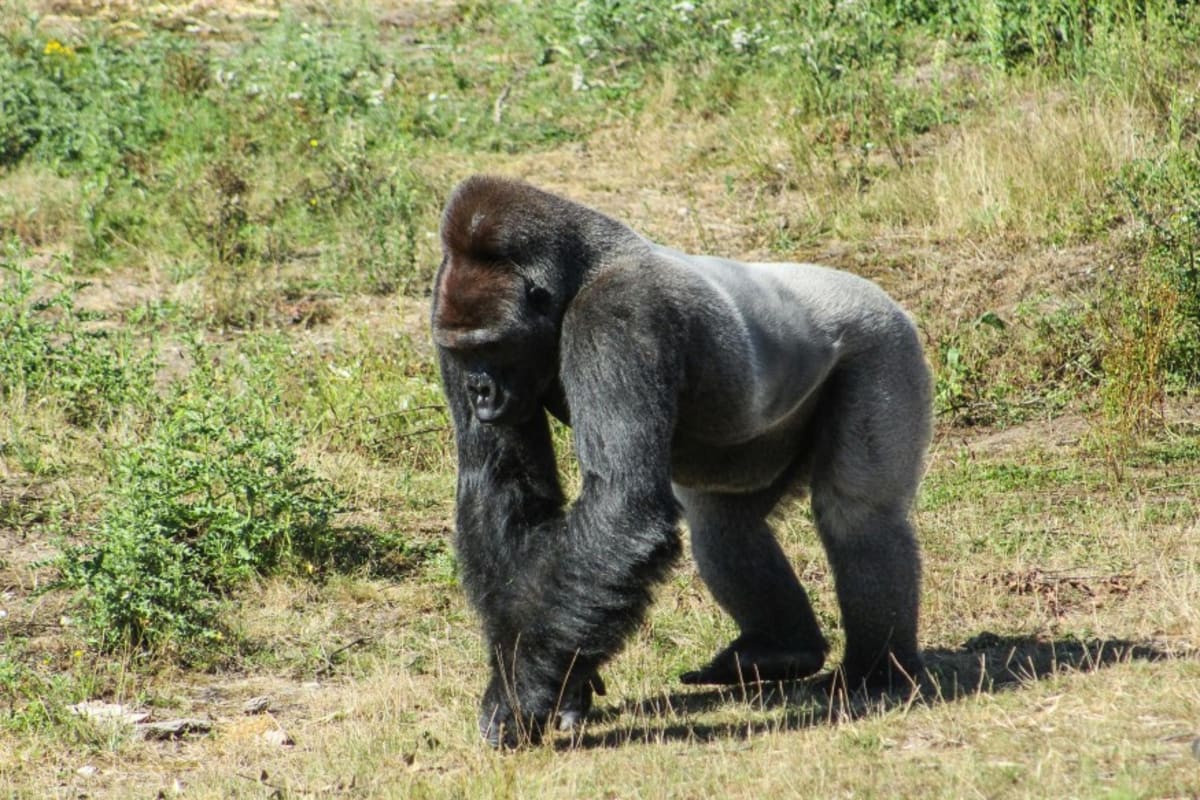
Mountain gorillas clung to just 680 individuals in 1989 amid war and logging in their forest homes. Ecotourism revenue from Rwanda and Uganda funded protection patrols that grew their numbers past 1,000, with drones now helping trackers spot families in misty forests.
European bison survived from only 54 captives after World War II poaching devastated wild populations. Rewilding programs in Polish forests built herds to over 7,000 across Europe, where they now shape woodlands by knocking down trees and boosting biodiversity.
Giant pandas barely hung on with under 1,000 in the 1980s as bamboo forests vanished. China's reserves and breeding centers raised numbers to over 1,800 wild pandas, with cubs learning survival skills before release into the Sichuan mountains.
The Ripple Effect
These recoveries represent at least 48 birds and mammals spared from extinction since the 1990s, according to studies tracking conservation interventions. Each success adds ecosystem stability, as these keystone species regulate their surroundings in ways that benefit countless other plants and animals.
The turnarounds combined protective laws, scientific breeding programs, habitat security, and public funding. Communities near gorilla habitats earned income from tourism and became loyal guardians, while marine sanctuaries gave monk seals cleaner beaches to raise their pups.
These stories prove that extinction isn't inevitable when people commit resources and care to reversing the damage.
More Images


Based on reporting by Google News - Species Saved
This story was written by BrightWire based on verified news reports.
Spread the positivity!
Share this good news with someone who needs it