10 Brain-Boosting Hobbies Keep Older Adults Sharp
Science shows simple activities like walking, dancing, and learning languages can protect your brain and body as you age. The best part? Most are free or low-cost and actually enjoyable.
Your retirement years don't have to mean decline. Research keeps revealing that everyday hobbies can keep both your mind and body remarkably young.
Walking tops the list as perhaps the most powerful yet underrated activity. Studies show that just 4,000 steps daily can increase brain volume and extend life. Dr. Laura D. Baker, a gerontology professor at Wake Forest University, used to champion high-intensity workouts but now calls walking "the best possible activity."
Adding social connection makes it even better. Walking with a friend combines physical movement with the brain benefits of social interaction.
For those craving more challenge, trying a new sport offers remarkable results. Canadian teacher Olga Koteko took up track and field in her 70s and broke records into her 90s. Brain scans revealed her white matter resembled someone decades younger, showing how learning new physical skills protects cognitive function.
Language learning delivers impressive mental gains too. A 2019 study found older adults in short-term language programs showed measurable cognitive improvements. Even starting late in life helps, as Dr. Art Kramer notes while mentioning his 103-year-old aunt currently learning Italian.
Creative hobbies pack surprising power. Older adults who learned quilting or digital photography for just three months showed stronger memory and faster processing than peers doing simpler tasks. The combination of mental effort and social interaction makes the difference.
Teaching others creates a double benefit. "When you teach a class, you really have to know the material," says Kramer. The cognitive demands of planning lessons and adapting to different learners exercise mental flexibility beautifully.
Even juggling helps. A 2022 review found it enhances neuroplasticity by building new brain connections through the complex coordination required.
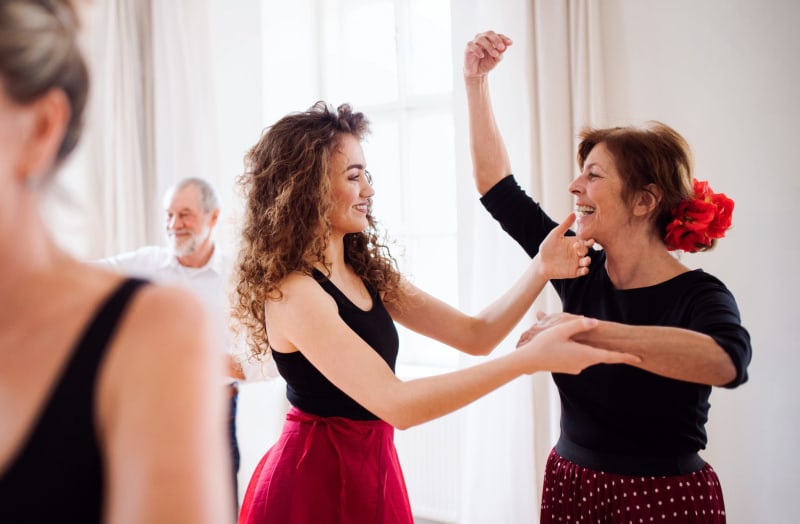
Dancing combines heart health with memory training. Older adults who danced weekly showed positive changes in the hippocampus, the brain region tied to memory. Unlike repetitive exercise, dance requires constant learning while getting you into the community.
Video games surprise researchers too. Older adults playing 3D games showed memory improvements, proving not all screen time deserves criticism.
The Bright Side
The golden thread connecting these activities is simple: keep challenging yourself with new skills. Dr. Baker points out that retirement removes many daily challenges, so we need to actively seek fresh ones. The brain needs regular stimulation, not occasional spurts.
Best of all, you don't need expensive equipment or memberships. Many libraries, senior centers, and community programs offer free or low-cost access to these brain-boosting activities. Whether you're learning Italian at 103 or picking up juggling balls for the first time, it's never too late to invest in your cognitive health.
The science is clear: how you spend your free time shapes how you age.
Based on reporting by Optimist Daily
This story was written by BrightWire based on verified news reports.
Spread the positivity!
Share this good news with someone who needs it