10 Nations Launch $1.2T North Sea Wind Hub for 143M Homes
Ten European countries just committed to transforming the North Sea into a massive clean energy powerhouse that will generate enough electricity to power 143 million homes by 2050. The ambitious project could attract $1.2 trillion in investment while turning old oil fields into wind farms connected by undersea cables.
The North Sea is getting a complete makeover, and the future looks bright for millions of Europeans who could soon power their homes with clean ocean wind.
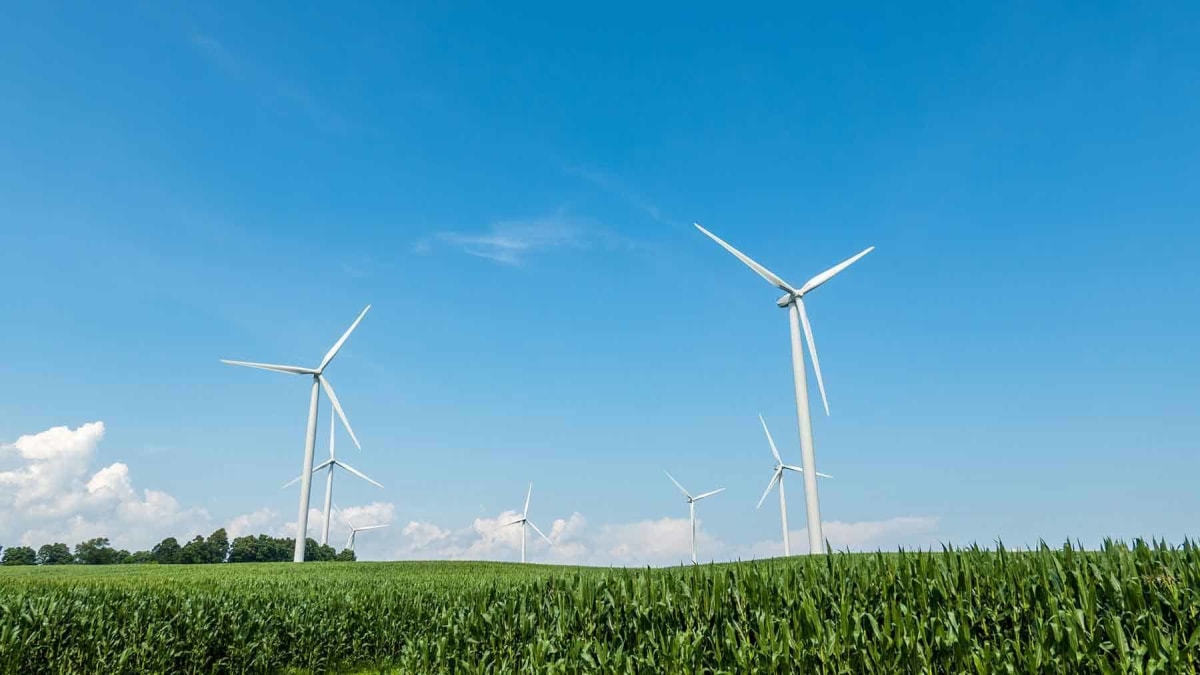
Britain, Belgium, Denmark, France, Germany, Iceland, Ireland, Luxembourg, the Netherlands, and Norway signed the Hamburg Declaration this week, committing to build a 100 Gigawatt offshore wind project over the next 25 years. The initiative transforms spent oil fields into what leaders are calling a clean energy "reservoir."
The project represents the largest coordinated renewable energy effort in European history. High-voltage undersea cables will connect wind farms directly to multiple countries' power grids simultaneously, something that has never been done before with offshore wind networks.
The numbers tell an inspiring story. By 2040, the project could pull in $1.2 trillion of investment according to WindEurope, creating thousands of high-value jobs while significantly reducing energy costs for households and businesses across the region.
Energy ministers see this as more than just an environmental win. U.K. Energy Secretary Ed Miliband said the project helps Britain get off the "rollercoaster" of fossil fuel dependency, securing clean energy for future generations while protecting national interests.
The timing makes financial sense too. European power grids already share connections via undersea cables, and Britain's National Grid reports these "interconnectors" have saved consumers $2.3 billion since 2023 alone. The savings come from buying surplus clean energy from other countries during their low-demand periods, which often align with peak usage times in Britain.
The Ripple Effect
This collaboration creates a domino effect of positive changes across northern Europe. Energy security strengthens for every participating nation, reducing vulnerability to global fossil fuel market swings and geopolitical tensions.
The project sends a powerful message about what countries can accomplish together. Instead of competing for energy resources, these ten nations are building shared infrastructure that benefits everyone, proving cooperation beats isolation when tackling big challenges.
Local communities in participating countries will see new manufacturing facilities, maintenance operations, and specialized training programs spring up to support the massive undertaking. The standardization of supply chains and infrastructure across borders means lower costs and faster construction timelines.
Britain currently produces 16 Gigawatts of offshore wind power, ranking second globally only to China. This new commitment triples that capacity just for Britain while creating an interconnected clean energy network that makes the entire region more resilient.
The project builds on the 2023 Ostend Declaration, which set a goal of adding 300 Gigawatts of offshore wind generation by 2050. Monday's agreement puts that ambitious target within realistic reach while creating a blueprint other regions could follow.
European officials are also using this opportunity to beef up protection for underwater infrastructure, addressing growing concerns about threats to subsea cables and pipelines. The combination of energy independence and security makes this initiative both environmentally and strategically smart.
The future of European energy is taking shape beneath the waves, proving that yesterday's oil fields can become tomorrow's clean power hubs.
Based on reporting by Google News - Clean Energy
This story was written by BrightWire based on verified news reports.
Spread the positivity!
Share this good news with someone who needs it