100 Beavers Return to UK Rivers After 400-Year Absence
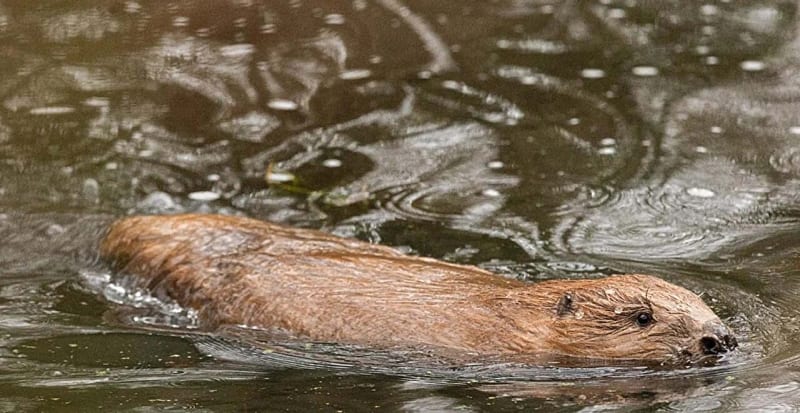
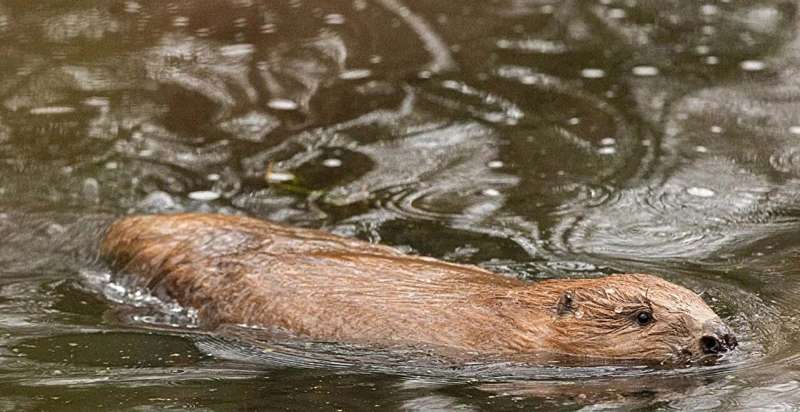
After disappearing more than 400 years ago, beavers are making a historic comeback across the United Kingdom. New laws now allow these ecosystem engineers to be released into the wild, with 100 beavers planned for release across seven rivers this year alone.
Four centuries after hunters wiped them out for meat and fur, beavers are splashing back into British rivers in record numbers.
The UK government changed its policy last year to allow wild beaver releases for the first time in modern history. Before 2025, these semi-aquatic rodents could only live in fenced enclosures or heavily monitored areas.
The National Trust just released two groups of Eurasian beavers on its Holnicote Estate in Somerset, with more releases planned in the coming days. At the same time, the Cornwall Wildlife Trust released two pairs into rivers in mid-Cornwall, making it the first wild release under the new licensing system.
"Beavers are extraordinary partners in our work to restore nature at scale," says Ben Eardley, who manages the Holnicote project. His team has watched beaver dams transform landscapes over the past few years, creating wetlands that buffer floods and droughts while improving water quality.
The Wildlife Trusts hopes to release around 100 beavers into seven rivers across England this year. Nine projects in Devon, Cornwall, Dorset, Kent, the Isle of Wight and Cumbria are now applying for licenses.
The beaver comeback story is full of surprises. Wild beavers mysteriously appeared in Scotland's River Tay in the early 2000s, likely from escaped captives or secret releases by rogue rewilders. Similar surprises happened in Devon's River Otter, where beavers showed up unannounced but won public support to stay.
Those early sightings led to official trials starting in 2009. Scotland declared beavers a protected species in 2019, with England following in 2022.
The Ripple Effect
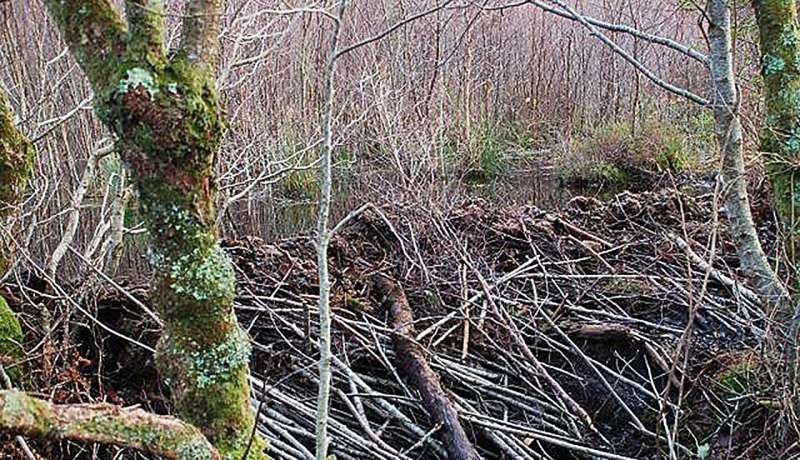
When beavers build dams, they're doing far more than making homes. They're creating entire ecosystems that support dozens of other species while storing carbon and reducing erosion.
Their engineering skills slow water flow during heavy rains, helping prevent flooding downstream. During dry spells, their ponds hold precious water reserves. The wetlands they create become nurseries for fish, hunting grounds for otters, and havens for countless insects and birds.
Landowners initially worried about flooding on their property, but the new licensing system addresses these concerns upfront. Applications must explain how releases will benefit nature while managing any impacts on local farms and businesses.
The return of beavers shows how quickly nature can bounce back when we give it a chance. After 400 years of absence, these ecosystem engineers are getting back to work, one dam at a time.
More Images
Based on reporting by Phys.org
This story was written by BrightWire based on verified news reports.
Spread the positivity!
Share this good news with someone who needs it