100 Gene-Edited Bandicoots Released to Save Extinct Species
A tiny Australian marsupial declared extinct in 1991 is making a comeback thanks to groundbreaking genetic rescue science. Conservationists just released 100 specially bred eastern barred bandicoots into the wild with stronger genes and better survival odds than ever before.
Scientists in Australia just pulled off something that sounds like science fiction: bringing an extinct species back to life through genetic rescue.
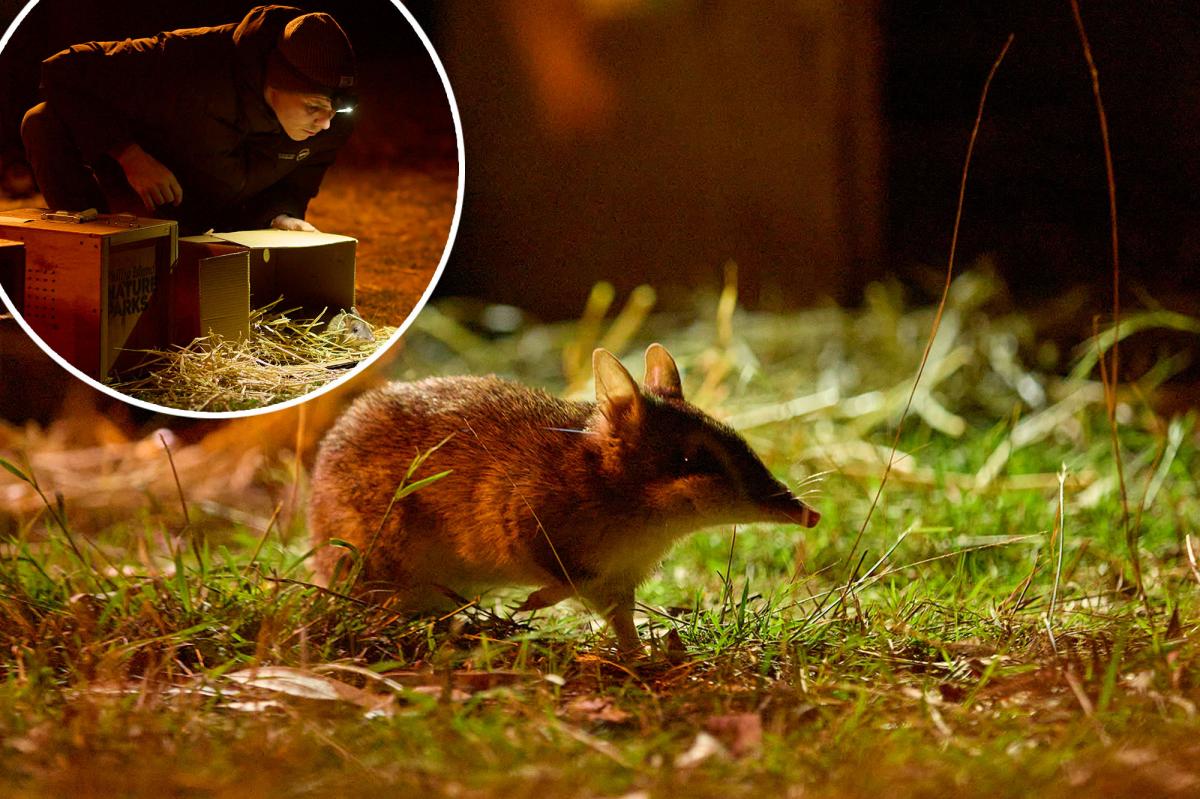
On Tuesday, conservationists released 100 eastern barred bandicoots onto Phillip Island near Melbourne. These aren't ordinary bandicoots though. They're the product of a world-first breeding program designed to fix the genetic problems that doomed earlier comeback attempts.
Eastern barred bandicoots once thrived across southeastern Australia. But habitat loss, drought, and predators like foxes and cats wiped them out. By the late 1980s, only 60 survived, found hiding in abandoned cars and dumps.
Rescuers brought these survivors into captivity and declared the species extinct in the wild in 1991. They tried breeding programs, but inbreeding created serious problems. A genetic defect called "undershot jaw" emerged, making it hard for bandicoots to dig, grab food, and chew.
The solution was brilliant. Scientists from the Odonata Foundation bred mainland Australian bandicoots with Tasmanian ones, populations that had been separated for 10,000 years. This created a diverse, healthy gene pool and balanced the male-to-female ratio.
"Through a world-first gene mixing approach, we've built a fit, feisty bandicoot population with far greater genetic health," said Dr. Andrew Weeks from Cesar Australia. The team specifically bred smaller females with larger males to increase offspring size and strength.
Since 2004, conservationists have grown the population to over 2,000 bandicoots. Amazon's Right Now Climate Fund invested $1.79 million to support the recovery effort, funding the largest-ever reintroduction of these animals in Australia.
The Ripple Effect
These little creatures pack a big environmental punch. Each bandicoot turns over about three tons of soil every year. All that digging helps spread seeds, retain water, cycle nutrients, and build resistance to floods and droughts across the landscape.
The conservation team isn't putting all their eggs in one basket either. They've relocated bandicoots to five different sites across Australia using the "500-in-5 Species Recovery Model." Spreading animals across multiple locations protects them from being wiped out by a single natural disaster.
"The same methodology could help save endangered animals all over the world," said Michael Miller from Amazon's Right Now Climate Fund. The genetic rescue approach is scalable and science-backed, offering hope for other species facing extinction from inbreeding.
Over the next three years, scientists will closely monitor the bandicoots through genetic testing to see if the population stabilizes. The program is also helping nine other critically endangered Australian species, including eastern quolls and rock-wallabies.
What seemed impossible 30 years ago is now happening: a species once lost forever is digging, thriving, and healing the land beneath their tiny paws.
More Images


Based on reporting by Google: species saved endangered
This story was written by BrightWire based on verified news reports.
Spread the positivity!
Share this good news with someone who needs it