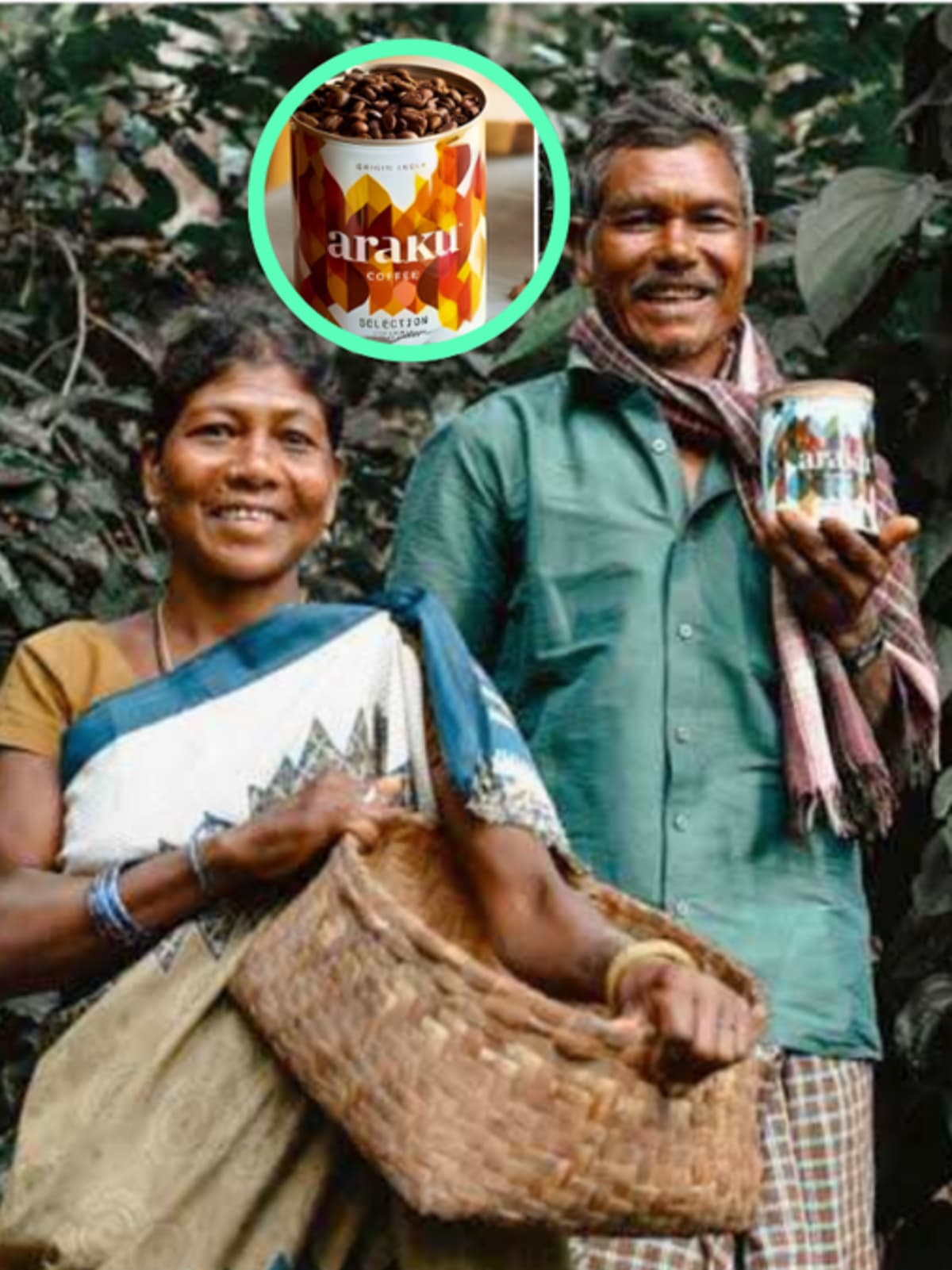
10,000 Tribal Farmers Bring Araku Coffee to World Cafés
Indigenous farmers in India's Araku Valley transformed from poverty to producing award-winning coffee sold in Paris and soon Manhattan. Their story proves community-owned agriculture can compete globally while protecting forests and keeping families together.
Tribal farmers in Araku Valley, Andhra Pradesh, once exploited by middlemen, now produce coffee winning international awards and heading to cafés in Manhattan.
The transformation began in 1999 when the Naandi Foundation asked a simple question: how could village incomes rise enough to keep children in school? The answer grew on neglected coffee trees scattered across the valley.
Coffee had existed in Araku since 1898, but tribal communities lost control during colonial rule. The revival started with one million new trees and training 10,000 farmers across 40 villages in Arabica cultivation.
Each micro-plot under one hectare was carefully mapped and studied for soil, shade, and flavor. Researchers discovered six distinct environmental conditions that could produce unique coffee profiles.
By 2011, over six million trees had been planted with global sustainability support. The initiative evolved into "Arakunomics," a model where farmers own their produce, profits return to communities, and forests are protected through shade-grown cultivation.
The coffee world took notice. Araku scored 90 out of 100 from global experts and won France's prestigious Epicure d'Or award. The brand even launched a rare Nanolot variety priced at Rs 10,000 per kilogram.
Today, GI-tagged Araku Coffee supports over 150,000 tribal farmers across 250,000 acres in the Eastern Ghats. The initiative has improved access to education and healthcare while reducing migration from villages as families can now earn sustainable incomes at home.
Industrialist Anand Mahindra helped take the brand global, establishing Araku cafés in Paris, Bengaluru, and Mumbai. The first Araku Café in Midtown Manhattan could open by summer 2026.
The Ripple Effect
What started as a solution to keep kids in school became a blueprint for community-led development. Shade-grown coffee protects forests while generating income, proving environmental conservation and economic growth can work together.
The model shows how giving communities ownership over their resources creates sustainable change. Farmers who once worked for middlemen now control the entire value chain from seed to cup.
This success is helping India claim its place in the global specialty coffee market while preserving indigenous cultures and ecosystems.
Araku Coffee proves that when communities own their future, they can turn local traditions into world-class products.
Based on reporting by The Better India
This story was written by BrightWire based on verified news reports.
Spread the positivity!
Share this good news with someone who needs it


