107-Year-Old Still Working Reveals Genetics of Long Life
A chocolate-loving nun who lived to 116, a 107-year-old supermarket worker, and a woman who won her first swim competition at 100 are unlocking secrets to extreme longevity. Brazilian researchers studying 160 centenarians found genetics, not perfect diets or healthcare access, may hold the key to living past 110.
Imagine working full time at 107, racing through a supermarket organizing shopping carts so quickly that researchers walked right past you. That's the reality for one remarkable Brazilian man who's part of a groundbreaking study into what makes some people live beyond 110 years old.
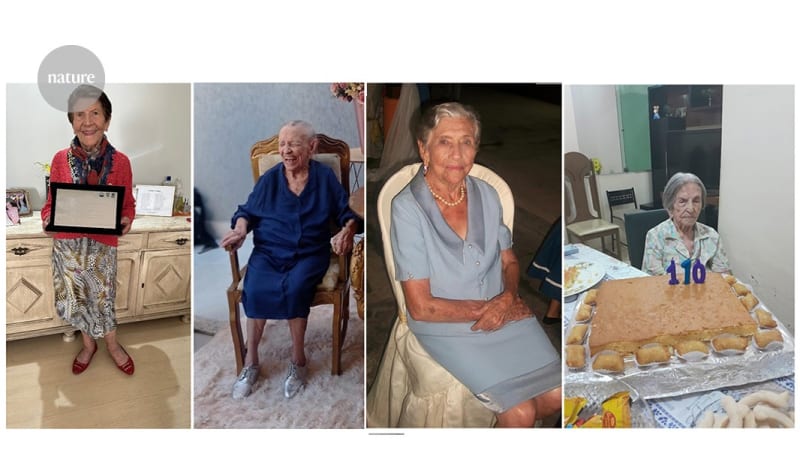
The DNA Longevo study at the University of São Paulo has sequenced the genomes of more than 160 centenarians, including 20 supercentenarians who reached 110 or older. What they're finding challenges everything we thought we knew about aging well.
These exceptional elders didn't follow strict diets, maintain rigorous exercise routines, or have access to cutting edge medical care. Sister Inah Canabarro Lucas, recognized as the world's oldest person when she died at 116 last April, loved chocolate and never restricted her sugar intake. One 106-year-old participant took up swimming at 70 and won her first competition at 100, alongside her two sisters over 100 and her 110-year-old aunt.
The secret might lie in their genes. Many participants have mixed European, African, and Native American ancestry, creating genetic diversity that researchers believe could boost resilience and longevity.
"This is suggesting that healthy aging was driven by something else, not because they've had access to the latest targeted therapy or very early screening," says physician Manel Esteller from the University of Barcelona. Many study participants live in small Brazilian villages far from medical centers, yet they've stayed mentally sharp and physically active well past the century mark.
Why This Inspires
This research is filling a critical gap in longevity science. Most centenarian studies have focused on genetically similar populations in the United States, Europe, and Japan with access to advanced healthcare. The Brazilian cohort proves that exceptional longevity isn't reserved for those with perfect habits or premium medical care.
The participants themselves are eager to contribute. Lead researcher Mayana Zatz says many become emotional knowing their blood samples could help others, glad to give back even in their final years. They're living proof that the human body, given the right genetic toolkit, can thrive for more than a century without following rigid wellness rules.
Families with multiple centenarians are especially valuable to researchers because genetics clearly plays a major role, and the siblings often live in different places with different lifestyles. The 106-year-old swimmer and her three relatives over 100 show that longevity can run deep in family trees.
As researchers continue recruiting participants and analyzing genetic data, they're building hope that understanding these genetic advantages could eventually help more people live longer, healthier lives regardless of their circumstances.
More Images

Based on reporting by Nature News
This story was written by BrightWire based on verified news reports.
Spread the positivity!
Share this good news with someone who needs it