115 Wild Foods Documented in African Biodiversity Hotspot
Researchers have cataloged 115 edible forest species and generations of indigenous knowledge in South Africa's Maputaland-Pondoland-Albany region. The groundbreaking database reveals how traditional wisdom could unlock new opportunities for nutrition, conservation, and community livelihoods.
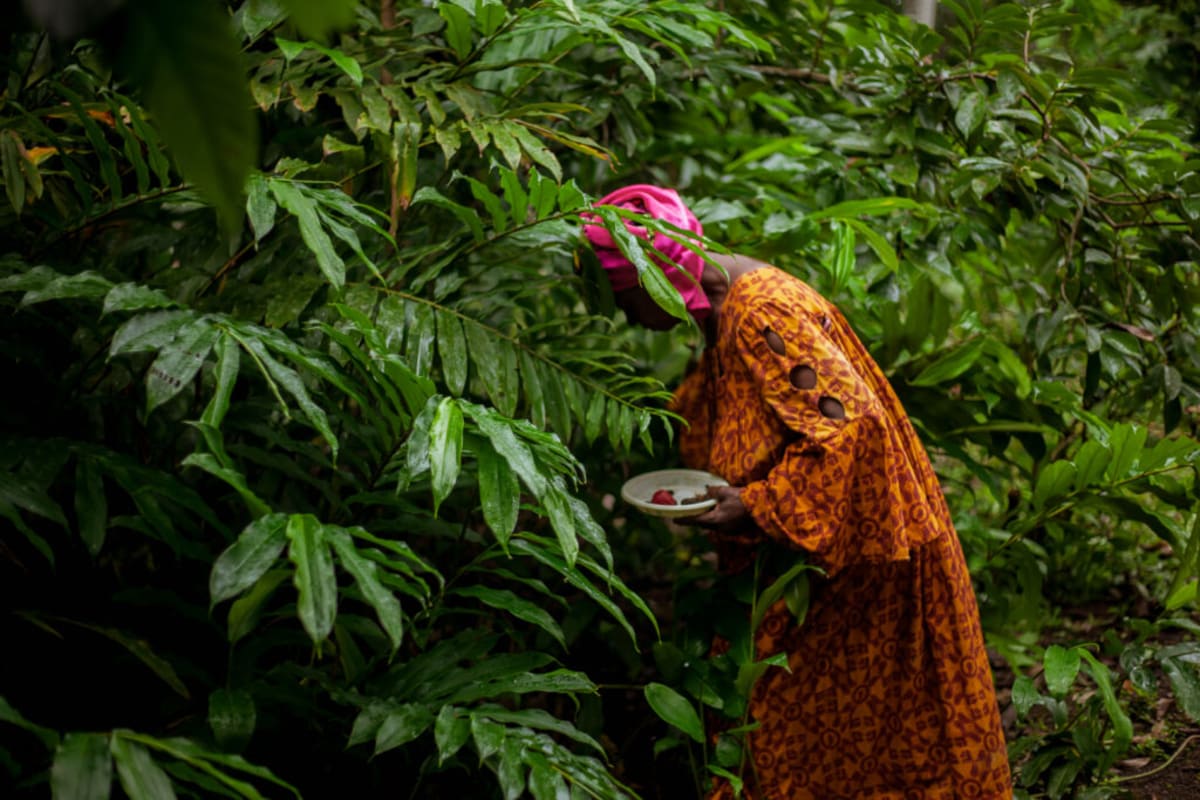
Deep in one of Africa's most biologically diverse regions, scientists just completed the first comprehensive database of wild foods that local communities have known for thousands of years.
Dr. Derek Berliner and his team documented 115 edible forest species in the Maputaland-Pondoland-Albany Biodiversity Hotspot, a region stretching across parts of South Africa. The area contains up to 2,400 plant species, including nearly 200 found nowhere else on Earth.
The research, presented at an African Forest Forum regional webinar, goes beyond simple cataloging. It captures indigenous ecological knowledge that has sustained communities for over 100,000 years of human occupation in the region.
Each species entry includes nutritional value, conservation status, medicinal properties, and traditional uses. At least 35 of the documented food plants also serve as traditional medicines, showing how deeply intertwined food and healing remain in local culture.
The study revealed sustainable practices passed down through generations. Communities harvest bark from only one side of trees to allow regrowth, collect selected roots rather than entire systems, and cultivate wild species in home gardens to reduce pressure on forests.
The Ripple Effect
The research highlights species like Podo palm, Marula, and Baobab as "biocultural keystones" that shape both ecosystems and cultural identity. These plants don't just feed people; they anchor traditions, support livelihoods, and maintain forest health simultaneously.
The findings point to an exciting shift in how indigenous foods are viewed. What was once stigmatized as "poverty food" is being recognized as nutrient-dense superfoods with market potential.
Better access to markets for non-timber forest products could create economic opportunities while encouraging forest conservation. Dr. Berliner describes the hotspot as "not just a biological reserve" but "a profound library of human resilience."
The message is clear: protecting biodiversity and protecting indigenous knowledge are inseparable goals. As governments search for solutions that combine conservation with sustainable development, this ancient wisdom may hold valuable lessons for modern food security challenges.
The research suggests that what indigenous communities have always known is finally getting the scientific documentation it deserves.
Based on reporting by Myjoyonline Ghana
This story was written by BrightWire based on verified news reports.
Spread the positivity!
Share this good news with someone who needs it