12 Shipping Containers Become Earth-Wrapped Restaurant
An architect in Tamil Nadu turned 12 discarded shipping containers into a striking restaurant that slashes cooling costs by 38%. The design proves waste can become climate-smart architecture.
When architect Vinu Daniel spotted rusting shipping containers near the port in Thoothukudi, Tamil Nadu, he saw something most people would overlook: the bones of a building.
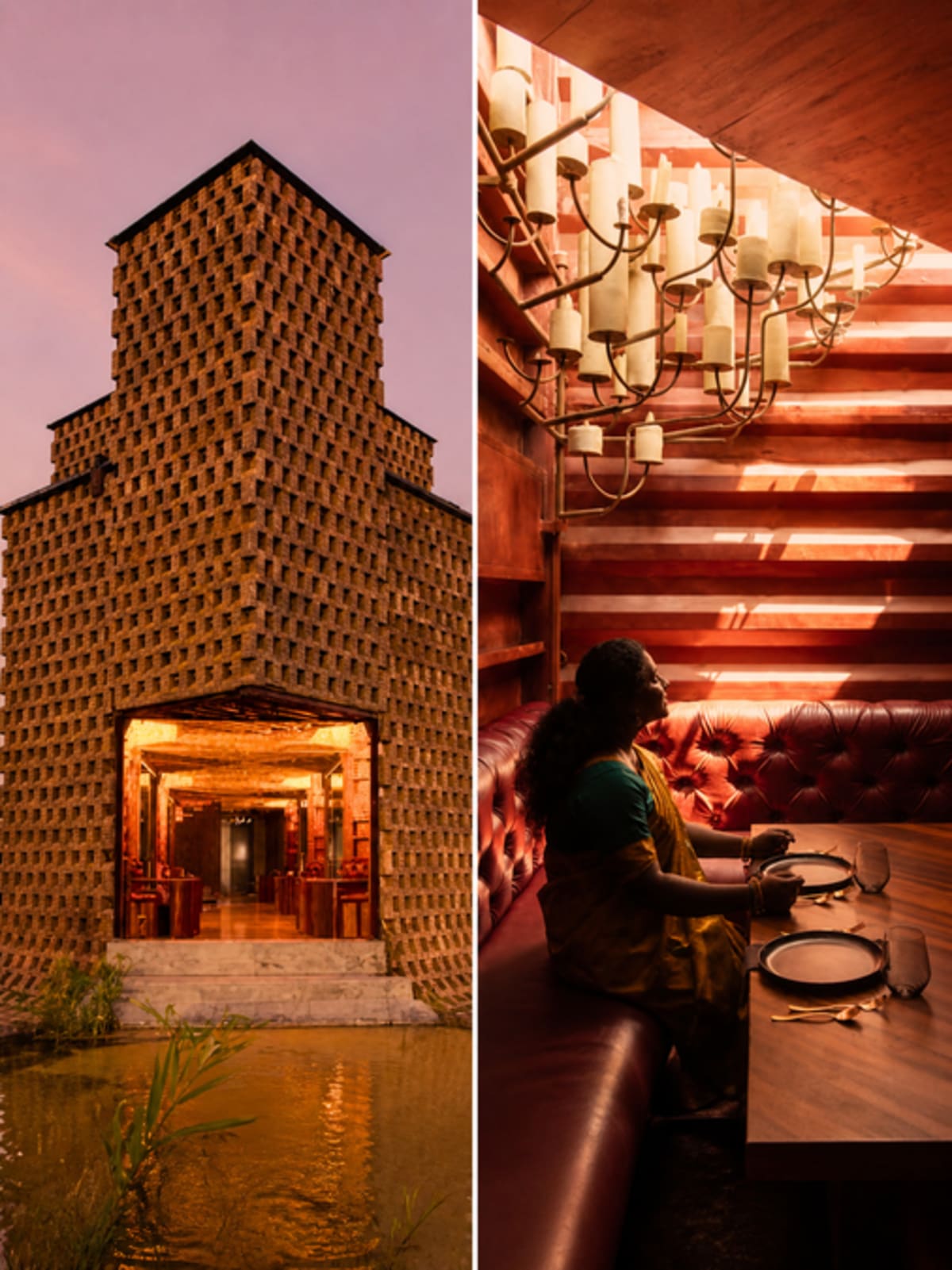
In this historic port city where containers dot the landscape like everyday furniture, Daniel stacked and welded 12 discarded steel boxes into something remarkable. The result is Petti (meaning "box"), a 439-square-metre restaurant that rises from the coastal heat with a clever solution to staying cool.
The containers form a tall, airy skeleton connected by concrete slabs at each level. But here's where the magic happens: Daniel wrapped the entire structure in earth, softening the industrial steel and turning it into something that breathes with the landscape.
Inside, everything shows itself honestly. Steel frames, wood, and oxide floors create spaces that feel both raw and welcoming. Strategic openings pull in fresh air and natural light while blocking the brutal coastal heat, cutting air conditioning needs by 38%.
The building shifts and steps along its narrow site, creating pockets of shade that catch the breeze. Light pours in from above, transforming the space as the sun moves across the sky. When darkness falls, the reused materials glow softly, wrapping diners in warmth.
The Ripple Effect
This restaurant does more than serve food. It shows coastal communities sitting on mountains of discarded shipping containers that they're not looking at trash but at raw materials for climate-smart buildings.
In a region where scorching heat drives up energy costs, a 38% reduction in cooling load means real savings and less strain on the power grid. Other architects and developers are now visiting Petti, notebooks in hand, wondering what else could rise from the surplus materials sitting in their own ports.
The project proves sustainable architecture doesn't require expensive new materials shipped from halfway around the world. Sometimes the best solutions are already here, waiting to be reimagined.
A pile of rusting metal became a place where people gather, cooled by smart design rather than brute-force air conditioning.
Based on reporting by The Better India
This story was written by BrightWire based on verified news reports.
Spread the positivity!
Share this good news with someone who needs it