1,200-Year-Old Gold Treasure Found on Ancient Pilgrim Route
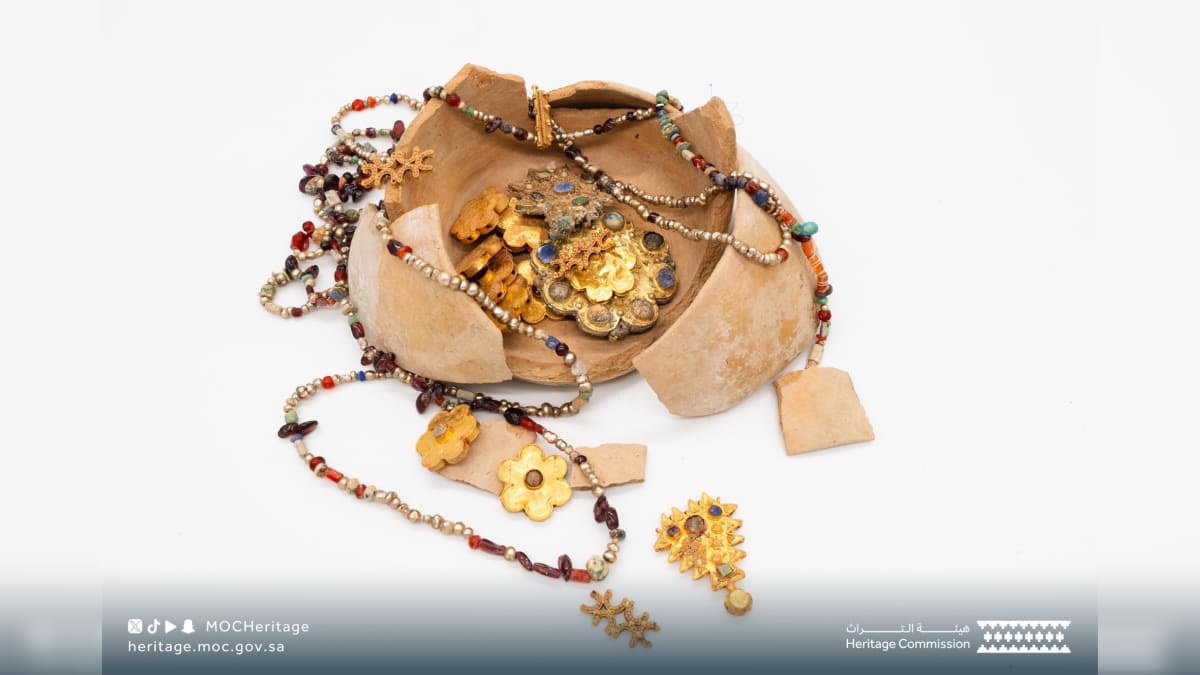
Archaeologists in Saudi Arabia unearthed a clay pot filled with over 100 pieces of gold and silver jewelry that may have been buried by a pilgrim traveling to Mecca more than a thousand years ago. The stunning discovery offers a glimpse into the Islamic Golden Age when skilled artisans created beautiful works of art for travelers on sacred journeys.
A ceramic jar packed with gold, silver, and gemstone jewelry sat buried for over a millennium near an ancient rest stop for pilgrims heading to Mecca. The discovery in Diriyah, just outside Riyadh, reveals the craftsmanship and devotion of travelers during the Islamic Golden Age.
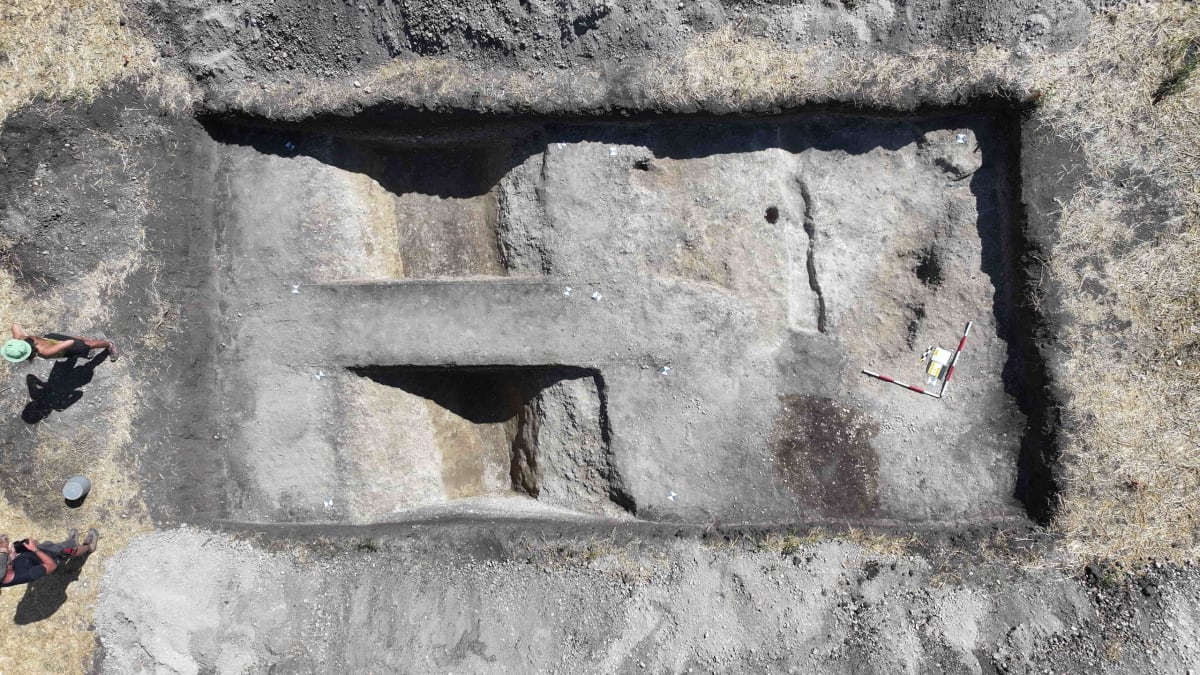
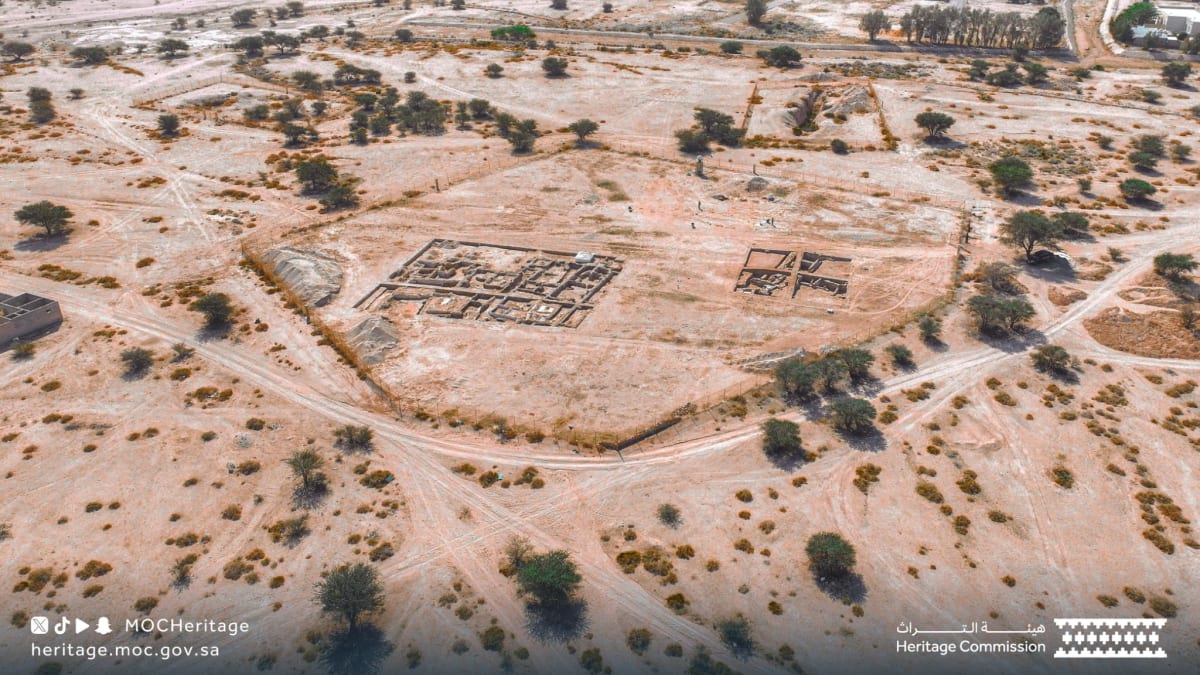
Archaeologists with the Saudi Heritage Commission found the treasure during their sixth year of excavations at Diriyah. The site once served as a crucial stopping point for Islamic pilgrims traveling between Basra, Iraq, and the holy city of Mecca between the 8th and 13th centuries.
Radiocarbon dating places the main settlement between 743 and 753, during the early years of the Abbasid caliphate. This empire stretched from North Africa to Iran and helped usher in an era when cultural and scientific achievement flourished across the Islamic world.
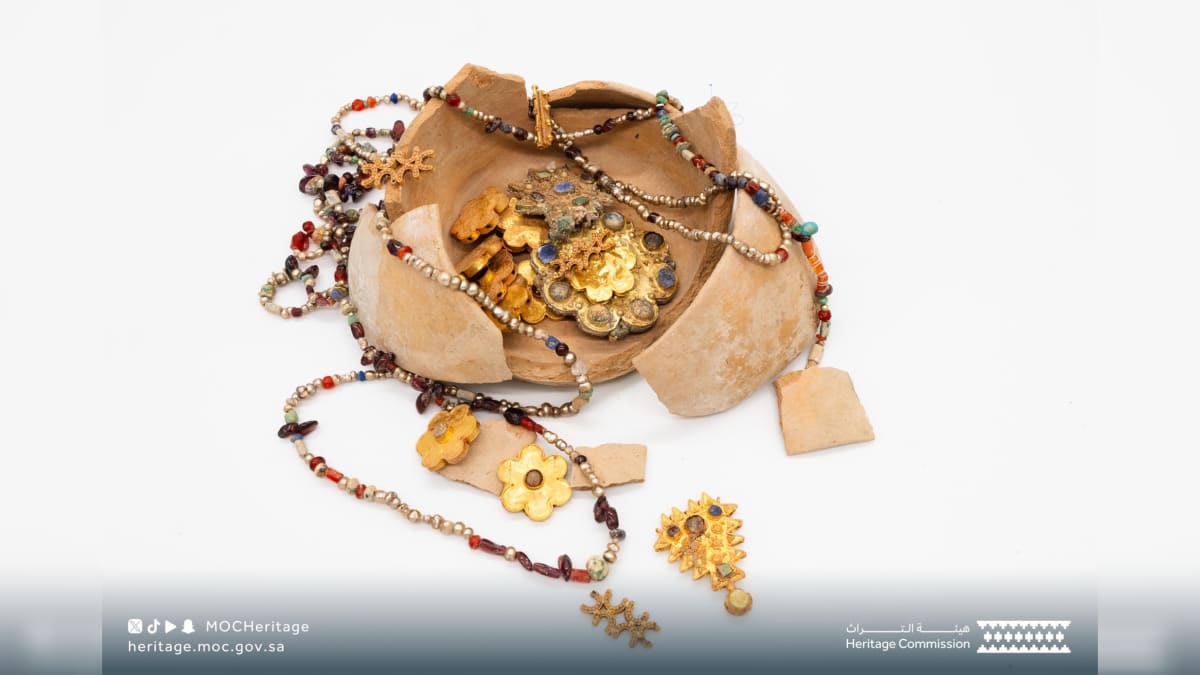
The treasure, now nicknamed the "Diriyah Treasure," contains over 100 pieces of jewelry decorated with floral patterns and geometric designs. Skilled metalworkers shaped sheets of gold, embossed intricate details, and carefully inlaid semiprecious gems to create these stunning pieces.
Researchers found the jar inside residential buildings alongside gypsum water basins, pottery fragments, and glass. The jewelry's presence raises fascinating questions about who owned these precious items and why they were buried at this particular location.
Why This Inspires
This discovery connects us to the deeply personal stories of faith and journey from over 1,200 years ago. Someone carefully packed these beautiful pieces and buried them at a waystation, possibly a pilgrim safeguarding their valuables during a sacred trip to Mecca.
The craftsmanship displayed in each piece reflects the thriving artisan culture of the Islamic Golden Age. These weren't just valuable objects but works of art created with skill, patience, and care that have survived centuries to tell their story.
The find also highlights how archaeological work continues to reveal the rich history of the Arabian Peninsula beyond more recent centuries. Each season of excavation at Diriyah promises more insights into the daily lives, faith practices, and artistic achievements of medieval Islamic civilization.
Future excavations at the site will continue uncovering the stories buried beneath the desert sands, connecting modern communities to their ancient heritage.
More Images

Based on reporting by Live Science
This story was written by BrightWire based on verified news reports.
Spread the positivity!
Share this good news with someone who needs it