12,000-Year-Old Dice Found in North America
Archaeologists discovered the world's oldest dice in western North America, pushing back the invention of gaming pieces by 6,000 years. The find reveals Native Americans were exploring probability and building community through games far earlier than anyone knew.
Imagine holding a tiny piece of bone in your hand that someone used to play games 12,000 years ago. That's exactly what archaeologist Robert Madden experienced when he identified the world's oldest known dice in North America.
The discovery rewrites gaming history. Before this finding, the oldest dice came from Mesopotamia, dating back about 5,500 years ago. These North American dice push that timeline back by roughly 6,000 years.
Madden, an archaeologist at Colorado State University, spent years searching through existing artifact records across the mainland United States. He was looking for objects that could be dice: two-sided, hand-sized items with marked sides and no holes that might indicate jewelry use.
His systematic search, published in American Antiquity, turned up 565 objects that met all the criteria. The items came from 57 archaeological sites across 12 states in the Great Plains and western United States. While most dated from 2,000 to 450 years ago, at least 14 pieces were 12,000 years old.
The really special moment came when Madden traveled across the country to examine the oldest pieces in person. Some collections held plausible dice that hadn't been documented or identified as gaming-related in the literature. "It was amazing to hold these pieces of deep history in my hand," Madden says.
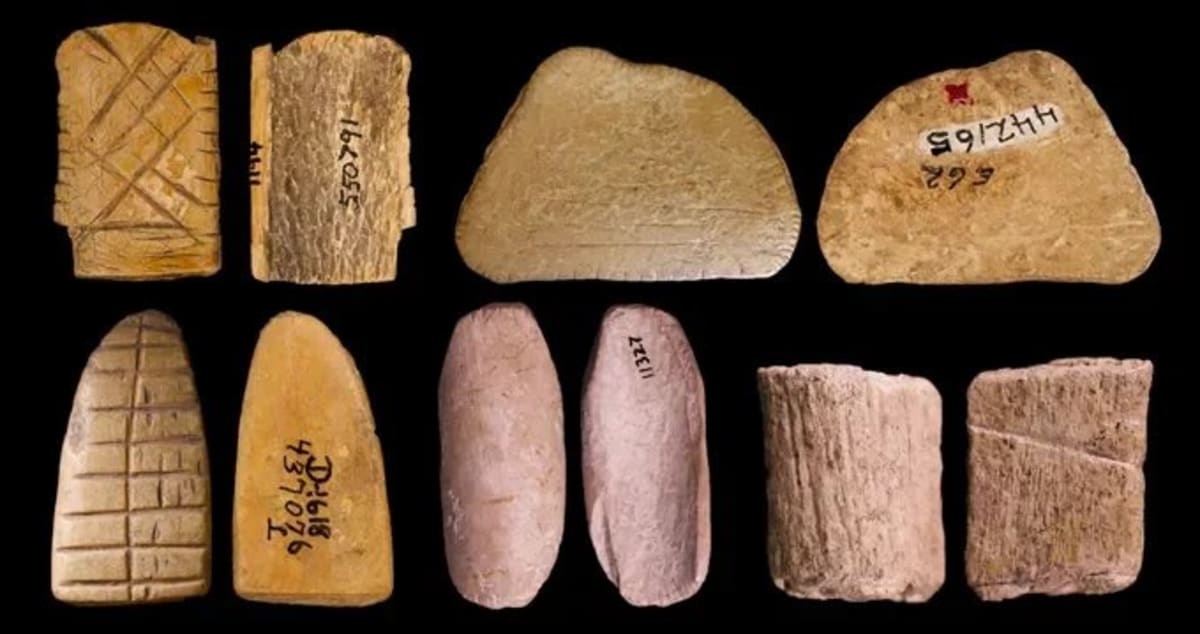
The ancient dice looked remarkably similar to modern versions. Made of bone worn smooth by use and time, they featured carefully etched lines on one side. Some still had faint traces of red pigment used to tell the sides apart.
Why This Inspires
These weren't just toys. Many Native American cultures have rich histories of dice games and still play them today. The games served as tools for social cohesion, helping isolated groups of people interact as they began to grow and mingle more.
"How are you going to interact with strangers?" asks Robert Weiner, an archaeologist at Dartmouth College who reviewed the study. Dice games provided an answer, creating common ground between different groups.
The discovery highlights something profound about early human culture. Native Americans were experimenting with probability and randomness 12,000 years ago, contributing to early intellectual developments in ways that haven't been fully recognized.
Madden believes his study probably underrepresents the true diversity of dice in Native American cultures. After colonial contact, settlers documented that 18 tribes in the eastern United States played dice games, yet his search yielded no dice from that region. Future research could explore this gap.
The consistency across time tells its own story. "If you took dice from 2,000 years ago and the prehistoric ones and put them in a bag and shook it up, it would be really hard to tell the difference between them," Madden says.
That 12,000-year tradition of game-playing reveals something beautiful about human nature: our desire to connect, play, and share moments of chance with others spans deeper into history than we ever imagined.
More Images




Based on reporting by Google: ancient artifact found
This story was written by BrightWire based on verified news reports.
Spread the positivity!
Share this good news with someone who needs it