123 Nations Call Slavery Gravest Crime Against Humanity
The UN General Assembly voted to formally recognize the transatlantic slave trade as humanity's gravest crime, with 123 countries including Nigeria and Ghana leading the historic resolution. The move opens pathways toward healing and reparative justice for millions affected by slavery's ongoing legacy.
In a historic moment at the United Nations, 123 countries came together Wednesday to declare what millions have long known: the transatlantic slave trade was the gravest crime against humanity.
Ghana led the resolution with support from Nigeria and 121 other nations, marking a major step toward acknowledging centuries of pain. Only three countries voted against it: Argentina, Israel, and the United States, while 52 abstained.
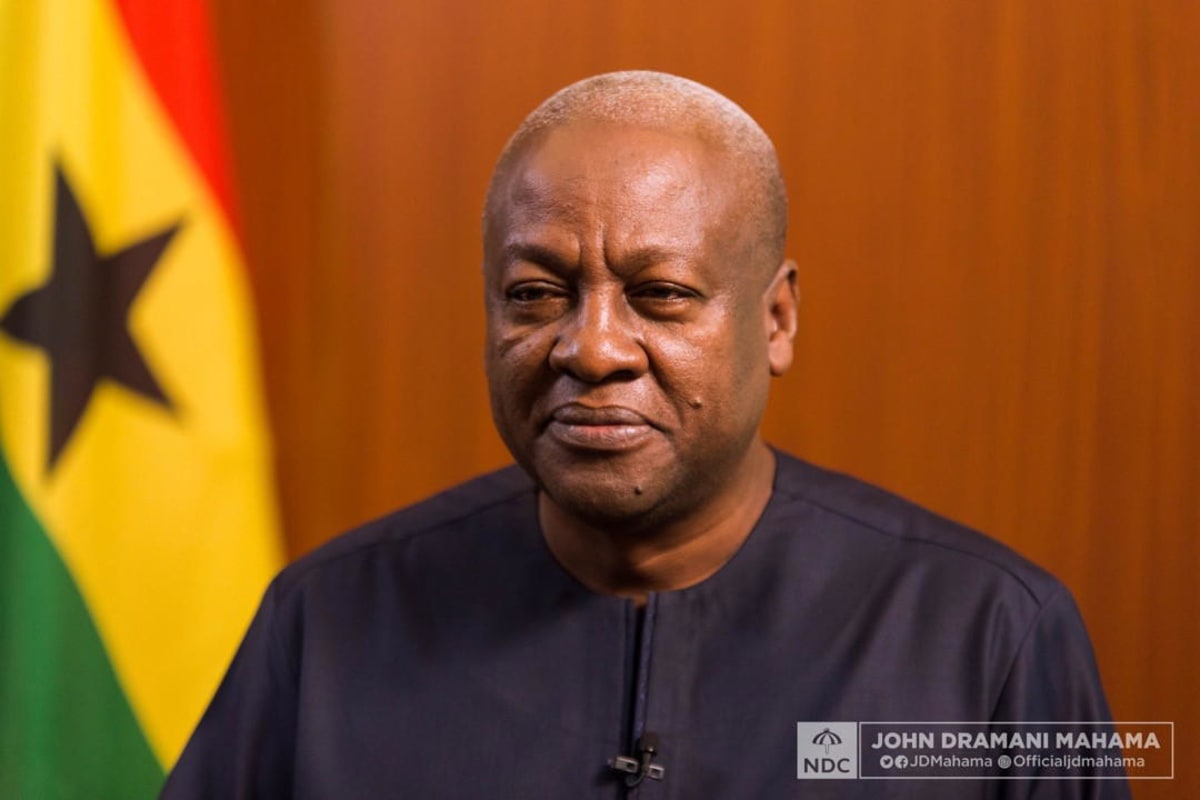
Ghana's President John Mahama spoke on behalf of all 54 African nations before the vote. "Today, we come together in solemn solidarity to affirm truth and pursue a route to healing and reparative justice," he said.
The resolution doesn't just acknowledge history. It recognizes how more than 400 years of forced labor, exploitation, and dehumanization still shapes our world today through persistent racism and discrimination.
UN Secretary-General António Guterres called for concrete action to address slavery's lasting impact. "We must commit, fully and without hesitation, to human rights, equality, and the inherent worth of every person," he said, urging nations to eradicate systemic racism and ensure equal access to education, healthcare, and employment.
The vote coincides with both the Second International Decade for People of African Descent and the African Union's Decade of Reparations. UN General Assembly President Annalena Baerbock noted that countries where people were stolen from also suffered "a hollowing out," losing entire generations who could have helped them prosper.
The Ripple Effect
This resolution creates a foundation for meaningful change. By formally recognizing the transatlantic slave trade's unique brutality and ongoing consequences, the UN has opened doors for reparative justice conversations worldwide.
The vote also emphasizes that African countries deserve ownership of their natural resources and equal participation in global financial systems. It's not just about acknowledging the past but actively working to dismantle systems that continue to create inequality today.
This recognition represents more than words on paper—it's 123 nations choosing accountability and healing over erasure.
Based on reporting by Vanguard Nigeria
This story was written by BrightWire based on verified news reports.
Spread the positivity!
Share this good news with someone who needs it